Ford V10 Fuel Pump Driver Module Location: Allegro Bus FPDM Replacement Guide
Read full question
The symptoms I'm experiencing include occasional hard starting, particularly when the engine is warm, and intermittent stalling while driving - sometimes the engine will just cut out for a second and then come back to life. I've checked the obvious things like fuel filters and basic electrical connections, but everything seems fine there. Multiple sources are pointing me toward the FPDM as the likely cause.
I'm ready to tackle this repair myself, but I need to know the exact location of this Fuel Pump Driver Module on the Allegro Bus chassis. I've heard it's a small black module with a single electrical connector, but I haven't been able to locate it yet. Can someone tell me specifically where Ford mounted this component on the 2006 Allegro Bus with the V10 engine? I want to inspect it first and possibly replace it if it shows signs of failure or corrosion.
Quick Answer
Ford V10 Fuel Pump Driver Module FPDM on Allegro Bus is on driver side frame rail near fuel tank. Small black box with single connector. Common failure point causing starting or stalling issues.
Bottom Line Up Front
On you's 2006 Allegro Bus with the Ford V10 gas engine, the Fuel Pump Driver Module (FPDM) is typically located in the engine compartment, often in the power distribution box or near the firewall - consult Ford chassis manual for exact mounting location as this varies by chassis configuration, secured with a metal bracket and connected via multiple wiring harnesses. This module is a rectangular black box see manufacturer specifications for exact dimensions, with the correct part for your model (verify with dealer). The location can be tricky to access initially because it's tucked behind other components, but once you know where to look, it's straightforward to locate and service.
The FPDM on this specific setup controls fuel pump operation, providing power and ground to the fuel pump based on signals from the PCM. The FPDM location may vary depending on chassis configuration - consult Ford chassis manual for exact mounting location as this can differ from standard automotive applications in RV chassis. This makes diagnosis and replacement more straightforward than some custom RV installations.
Access to the FPDM typically requires opening the hood and locating the power distribution box or checking the firewall area, depending on the specific chassis configuration. The module is cooled by ambient air flow and protected by a weather-resistant housing, but it's still susceptible to the typical issues that affect engine control modules in RV applications including heat stress, vibration damage, and moisture intrusion from extended travel and varying climate conditions.
Root Causes
Several factors commonly lead RV owners to need to locate the FPDM on their 2006 Allegro Bus. The most frequent causes include diagnosing fuel pump operation issues, such as no fuel pump operation, intermittent fuel delivery, or fuel pump running continuously. These symptoms include rough idling, poor acceleration, increased fuel consumption, or diagnostic trouble codes related to fuel system management. The Ford V10 in motorhome applications works harder than typical automotive use, with frequent heavy loads, extended idle times for generator operation, and constant vibration from road travel.
Heat-related failures are particularly common in RV applications because the engine bay temperatures can be extreme during summer travel or when parked in hot climates with the engine running for extended periods. The PCM contains sensitive electronic components that can fail when subjected to temperatures above their design limits. Additionally, the constant vibration from road travel can cause internal solder joints to crack over time, leading to intermittent or complete module failure.
Moisture intrusion is another significant concern, especially for RVs that travel through varying climates or are stored in humid conditions. While the module housing is designed to be weather-resistant, the constant temperature cycling can cause seals to deteriorate, allowing moisture to enter and corrode internal components. This is particularly problematic in coastal areas or regions with high humidity levels.
Electrical issues in the RV's 12-volt system can also damage the fuel control module. Problems like voltage spikes from faulty alternators, poor ground connections, or issues with the RV's inverter system can send damaging electrical surges through the engine management system. The PCM is designed to handle normal automotive electrical conditions, but RV electrical systems can be more complex and potentially problematic than standard vehicle applications.
Before You Start
WARNING: Ensure the engine is completely cool before working in the engine compartment, as the V10 generates significant heat and components can remain hot for extended periods after shutdown. Always disconnect the negative battery cable before performing any electrical work on the fuel control module to prevent accidental short circuits and protect both you and the module's sensitive electronics.
Before attempting to locate or service the fuel control module on the 2006 Allegro Bus, ensure you have the proper tools and safety equipment. You'll need a basic socket set, screwdrivers, and potentially a code reader or scan tool to diagnose any issues. Keep in mind that disconnecting the battery will reset the PCM's learned parameters, so the engine may run slightly differently for the first few driving cycles while the module relearns optimal settings.
Gather the necessary service information before starting work. The 2006 Allegro Bus should have a Ford chassis manual that includes wiring diagrams and PCM specifications. If you don't have this documentation, you can often obtain it from Ford parts departments or online resources. Having the correct wiring diagrams is crucial if you're troubleshooting electrical issues related to the fuel control module.
Consider the working conditions carefully. Engine compartment access on the Allegro Bus requires removing panels and potentially working in cramped conditions. Ensure you have adequate lighting, as the PCM location can be shadowed by other components. A good flashlight or work light is essential for proper visibility. Also, be prepared for the possibility that accessing the module may require removing other components like air cleaner assemblies or ducting.
If you're planning to remove or replace the fuel control module, understand that this component requires programming to match your specific vehicle's configuration. Unlike simple plug-and-play components, the PCM contains vehicle-specific calibrations and security codes. Replacement modules typically need to be programmed by a dealer or qualified technician with the proper scan tool and access to Ford's calibration database.
The Repair Process
To locate the fuel control module on you's 2006 Allegro Bus, start by accessing the engine compartment from inside the coach. Remove the engine cover, which is typically held in place by several screws or clips. The Ford V10 engine will be clearly visible once the cover is removed, with the air cleaner assembly mounted centrally on top of the engine. The PCM is positioned behind and slightly to the left of this air cleaner when viewed from the driver's side of the coach.
Look for the FPDM, which is typically a smaller module than the PCM, often located in the power distribution box under the hood or mounted near the firewall. It will have fewer electrical connections than the PCM, usually just the fuel pump power and control circuits. These connectors are usually secured with locking tabs or clips to prevent accidental disconnection during vehicle operation. The module itself measures approximately 8 inches long by 6 inches wide by 2 inches thick.
If the air cleaner assembly obscures your view, you may need to remove it temporarily for better access. The air cleaner on the Ford V10 is typically secured with wing nuts or standard bolts around the perimeter of the housing. Before removing it, disconnect the mass airflow sensor electrical connector and any vacuum lines attached to the housing. Mark or photograph these connections to ensure proper reassembly.
Once you have clear access to the PCM area, you'll notice the module is mounted with several bolts or screws through a metal mounting bracket. The bracket itself is attached to the firewall or engine bay structure. If you need to remove the module for testing or replacement, first disconnect the electrical connectors by pressing the release tabs and pulling them straight out. These connectors can be tight and may require significant force to disconnect, but avoid excessive force that could damage the connector housings.
WARNING: When handling the fuel control module, use proper electrostatic discharge precautions. Touch a grounded metal surface before handling the module to prevent static electricity damage to sensitive electronics. Touch a grounded metal surface before handling the module, and avoid touching the electrical connector pins. The internal electronics are sensitive to static electricity damage, which can cause immediate failure or reduced lifespan. If you're removing the module, place it in an anti-static bag or on an anti-static work surface.
For troubleshooting purposes, you can often test the module without complete removal. Many diagnostic procedures involve checking voltage and ground connections at the module connectors while they're still attached. Use a digital multimeter with sharp probe tips that can access the connector pins from the back side of the connectors. The Ford service manual will provide specific voltage and resistance specifications for various pins under different operating conditions.
If replacement is necessary, the new module will need to be programmed to your specific vehicle. This requires a professional-grade scan tool with Ford programming capabilities and access to the Ford calibration database. The programming process downloads the correct operating parameters for your specific engine, transmission, and vehicle configuration. Without proper programming, the new module may not function correctly or at all.
During reassembly, ensure all electrical connections are clean and properly seated. Apply a thin coating of dielectric grease to the connector pins to prevent corrosion, especially important in RV applications where the vehicle may be exposed to various weather conditions. Torque all mounting hardware to manufacturer specifications, and double-check that no tools or loose parts are left in the engine compartment before closing up the work area.
Professional Help Needed
While locating the fuel control module is straightforward, several aspects of PCM service require professional assistance. Programming a replacement module is the most critical professional service needed, as this requires specialized equipment and software access that's typically only available to Ford dealers or qualified independent shops with professional-grade diagnostic equipment. The programming process involves downloading specific calibration files based on your vehicle's VIN number and engine configuration.
If your diagnostic process reveals internal PCM failure, professional diagnosis can save significant time and money. Modern scan tools can perform comprehensive PCM function tests, including actuator tests, sensor monitoring, and internal self-diagnostics that go far beyond basic code reading. Professional technicians can also perform PCM voltage and current draw tests that help determine if the module failure is caused by internal problems or external electrical issues.
Electrical system troubleshooting often requires professional expertise, especially when dealing with intermittent problems that may point to the PCM but could actually be caused by wiring issues, sensor failures, or other engine management components. RV electrical systems can be particularly complex, with interactions between the chassis electrical system, house electrical system, and various 12-volt and inverter-based components that can create diagnostic challenges.
Consider professional help if you encounter Security Key programming requirements. The 2006 Ford V10 uses a Passive Anti-Theft System (PATS) that requires the PCM to be programmed with security keys matching your ignition keys. If this programming is lost or corrupted, the engine may not start even with a properly functioning PCM. Only dealers or shops with the proper equipment can perform this security programming.
Professional assistance is also valuable when dealing with warranty or extended service contract claims. If your fuel control module fails and you have coverage, professional diagnosis and installation ensures that warranty requirements are met and proper documentation is provided for reimbursement claims. Many extended warranties require professional installation of major components like the PCM to maintain coverage validity.
Tools & Supplies You'll Need
 Flashlights High Lumens Rechargeable, 100,000LM LED Super Bright Flash Light
Bright rechargeable light for bays and undercarriage. View on Amazon →
Flashlights High Lumens Rechargeable, 100,000LM LED Super Bright Flash Light
Bright rechargeable light for bays and undercarriage. View on Amazon →
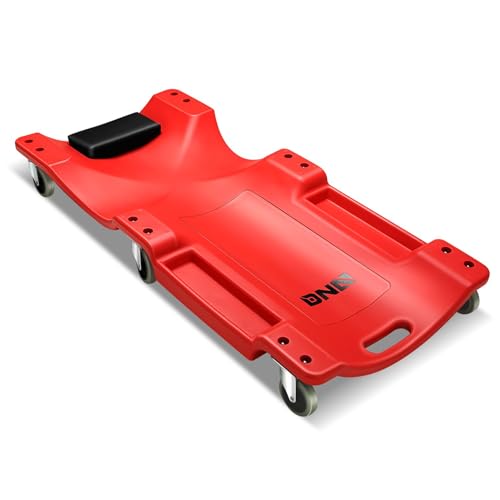 DNA MOTORING 40 Inch Mechanic Creeper, Blow Molded Low Profile Rolling Garage
Roll under the rig for undercarriage access. View on Amazon →
DNA MOTORING 40 Inch Mechanic Creeper, Blow Molded Low Profile Rolling Garage
Roll under the rig for undercarriage access. View on Amazon →
Still need help? Ask an RV Mechanic
Get a personalized answer from a verified RV mechanic. Describe your specific issue and get step-by-step help for your rig.
Related Repair Guides
- Ford E450 V10 Reliability: Expected Mileage and Longevity Guide for RV Owners
- Newmar Motorhome Rough Ride Fix: Suspension & Air Pressure
- Ford V10 Triton Engine Maintenance Guide: EGR Delete vs Regular Service Tips
- Ford V10 Turbo Kit for Motorhomes: Cost, Risks & Better Alternatives
- Ford E450 Inertia Switch Location Guide - Find Your RV's Fuel Cutoff Reset Point
- Onan 5500 Generator Problems: Complete Repair Guide
- Fleetwood Excursion Tire Upgrade Guide: 255 to 275 Width Conversion
- Ford E-350 vs E-450 RV Chassis: Fuel, Power & Weight
- Ford F53 7.5L RV Won't Start: Fuel Pump Relay Voltage Drop Fix
- Generac 7.5kW Diesel Generator Repair Guide - RV Troubleshooting
Need More Help?
Try our free RV calculators and tools to help diagnose and plan your repairs.
Browse RV ToolsWeight calculator, electrical planner, propane estimator & more
