Ford Motorhome 4-Speed Transmission: 4R70W vs E4OD
Read full question
I'm trying to figure out which transmission would be most reliable for my needs. Some people mention the 4R70W while others swear by the E4OD or 4R100. Do these vary by year or engine size? And is there a clear winner in terms of dependability, especially for someone who might be doing some towing and converting a pickup?
Any guidance would be really appreciated - I feel like I'm drowning in transmission model numbers and don't want to make the wrong choice!
Quick Answer
Ford motorhomes typically use the 4R70W, E4OD, or 4R100 4-speed automatic transmissions depending on year and engine. The 4R70W is most reliable for lighter duty, while the E4OD/4R100 handles heavier loads better.
The Quick Fix
For most Ford motorhomes, the 4R100 offers the best combination of durability and torque capacity for heavy-duty use, while the 4R75W provides better fuel economy and smoother shifting for lighter applications. Choose based on your motorhome's weight, engine, and intended use.
Understanding the Issue
Ford motorhomes equipped with 4-speed automatic transmissions typically use the 4R70W, 4R75W/4R75E, E4OD, or 4R100. The specific transmission depends on your chassis year, engine size, and gross vehicle weight rating (GVWR).
4R70W Transmission (1996-2004)
The 4R70W is commonly found in lighter Ford motorhomes and was the evolution of the AODE. This electronically controlled transmission pairs well with 4.6L and 5.4L engines. It's known for smooth shifting and reasonable reliability when properly maintained.
E4OD Transmission (1989-1998) / 4R100 Transmission (1998-2008)
The E4OD (later renamed 4R100) is the heavy-duty option found in larger Ford motorhomes, especially those with V8 engines and higher towing capacity. These transmissions are built for torque but require more maintenance and can run hotter under heavy loads.
Red Flags That Need a Pro
Contact a transmission specialist if:
- You're planning a complete transmission swap between different models
- Electronic control module (PCM) reprogramming is required
- You need custom driveline modifications for 4x4 integration
- The transmission requires internal rebuilding or major repairs
Professional installation ensures proper torque specifications, fluid levels, and electronic calibration.
Keeping This From Happening Again
Regardless of which transmission you have or upgrade to, follow these maintenance practices:
- Change transmission fluid every 15,000-25,000 miles or annually for severe duty use
- Monitor transmission temperatures, especially when climbing grades
- Allow transmission to warm up before heavy acceleration
- Service the transmission cooler and lines regularly
- Address any shifting issues immediately before they worsen
Tools & Supplies You'll Need
 CRAFTSMAN 230 Pcs Mechanics Tool Set, Socket Wrench Set, Car Tool Kit with
A broad SAE/metric socket-and-ratchet set covers most RV fasteners. View on Amazon →
CRAFTSMAN 230 Pcs Mechanics Tool Set, Socket Wrench Set, Car Tool Kit with
A broad SAE/metric socket-and-ratchet set covers most RV fasteners. View on Amazon →
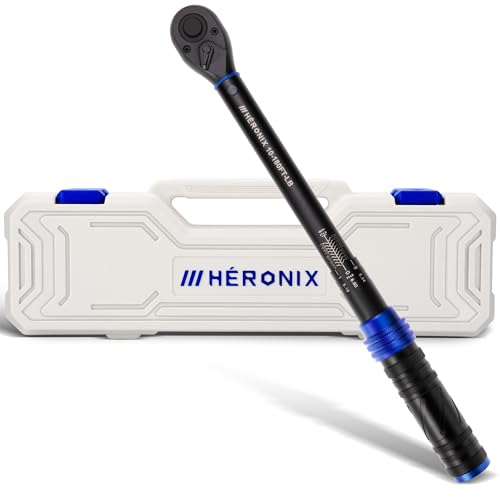 HERONIX 1/2 Inch Drive Click Torque Wrench, 10–180 Ft.Lb/13.6–244.0 Nm
Click-type wrench for lug nuts and anything with a torque spec. View on Amazon →
HERONIX 1/2 Inch Drive Click Torque Wrench, 10–180 Ft.Lb/13.6–244.0 Nm
Click-type wrench for lug nuts and anything with a torque spec. View on Amazon →
 ANCEL AD410 Enhanced OBD2 Scanner, Vehicle Code Reader for Check Engine
Pulls engine and chassis trouble codes on motorhome drivetrains. View on Amazon →
ANCEL AD410 Enhanced OBD2 Scanner, Vehicle Code Reader for Check Engine
Pulls engine and chassis trouble codes on motorhome drivetrains. View on Amazon →
Still need help? Ask an RV Mechanic
Get a personalized answer from a verified RV mechanic. Describe your specific issue and get step-by-step help for your rig.
Related Repair Guides
- Ford E450 V10 Reliability: Expected Mileage and Longevity Guide for RV Owners
- Newmar Motorhome Rough Ride Fix: Suspension & Air Pressure
- Ford V10 Triton Engine Maintenance Guide: EGR Delete vs Regular Service Tips
- Ford V10 Turbo Kit for Motorhomes: Cost, Risks & Better Alternatives
- Ford E450 Inertia Switch Location Guide - Find Your RV's Fuel Cutoff Reset Point
- Onan 5500 Generator Problems: Complete Repair Guide
- Fleetwood Excursion Tire Upgrade Guide: 255 to 275 Width Conversion
- Ford E-350 vs E-450 RV Chassis: Fuel, Power & Weight
- Ford F53 7.5L RV Won't Start: Fuel Pump Relay Voltage Drop Fix
- Generac 7.5kW Diesel Generator Repair Guide - RV Troubleshooting
Need More Help?
Try our free RV calculators and tools to help diagnose and plan your repairs.
Browse RV ToolsWeight calculator, electrical planner, propane estimator & more
