How to Find Drag Link Boot for 2015 Freightliner XCS Chassis
Read full question
I've got the chassis year and model, but I'm clearly missing something important when it comes to identifying the exact specifications needed. What's the most reliable way to get the correct Freightliner part numbers for this repair? I'm hoping there's a systematic approach I haven't tried yet that will finally get me the right part without any more guesswork.
Quick Answer
To find the correct drag link boot for your 2015 Freightliner XCS chassis, you'll need the chassis VIN and specific Freightliner part numbers. Contact Freightliner dealers or use online parts catalogs with your chassis specifications.
Understanding Your Chassis Components
Your 2015 Winnebago Forza is built on a Freightliner XCS (eXtreme Custom Chassis) platform, which means the steering components are Freightliner parts, not Winnebago parts. The tie rod boot protects the tie rod end connection in your steering linkage system. When this boot tears, dirt and moisture can contaminate the joint, leading to premature wear and potential steering problems.
Locating Your Chassis Information
The most critical piece of information you need is your chassis VIN, which is different from your motorhome VIN. Look for a metal plate on the driver's side door frame or under the hood that shows Freightliner as the manufacturer. This chassis VIN will help parts suppliers identify the exact steering components used on your specific chassis.
Finding the Correct Part Number
- Contact a Freightliner dealer: Call your nearest Freightliner service center with your chassis VIN. They can look up the correct part for your model (verify with dealer) for your drag link boot and provide pricing. Freightliner dealers often have the most accurate parts information.
- Use online Freightliner parts catalogs: Websites like FleetPride, FinditParts, or the official Freightliner parts portal allow you to search by chassis VIN or model year to identify the correct components.
- Check with RV parts suppliers: Companies like Camping World, PPL Motor Homes Parts, or National RV Parts carry chassis components and can cross-reference your information.
- Measure the existing boot: If you can safely access the damaged boot, measure its dimensions and take photos. This helps when searching for aftermarket equivalents.
Aftermarket Alternatives
You don't necessarily need to buy OEM Freightliner parts. Quality aftermarket manufacturers make equivalent drag link boots that will work perfectly:
- Moog: Known for high-quality steering components, often available at auto parts stores
- TRW: Another reputable brand for steering system parts
- Rare Parts: Specializes in hard-to-find steering and suspension components
- Dorman: Offers cost-effective alternatives to OEM parts
When searching for aftermarket parts, you'll need to know the thread size, length, and taper specifications of your drag link ends to ensure you get the correct matching boot. This information should be available through Freightliner's parts system.
Where to Purchase
Once you have the part number or specifications, you have several purchasing options:
- Online retailers: Amazon, RockAuto, AutoZone, and O'Reilly Auto Parts often carry these components
- Local truck parts suppliers: Heavy-duty truck parts stores frequently stock Freightliner components
- RV salvage yards: Can be a source for OEM parts at reduced prices
- Freightliner dealerships: Most reliable for getting exactly the right part
Cost-Saving Tips
That $250 (rough ballpark — actual cost varies by region, brand, and model year and changes over time, so get current quotes) parts quote seems high for just a boot. Here are ways to reduce costs:
- Shop multiple suppliers - prices can vary significantly
- Note that on heavy-duty chassis, boots are often only available as part of complete tie rod assemblies rather than separate serviceable parts
- Buy from online retailers but verify return policies
- Check if local auto parts stores can order the part - they sometimes offer competitive pricing
DIY Installation Considerations
WARNING: Steering components are critical safety items. Improper installation can result in loss of vehicle control and serious accidents. Consider professional installation if you have any doubts about your abilities or equipment.
Your mechanic friend is right that this can be a straightforward repair, but there are important safety considerations:
- Safety first: You'll be working under a heavy vehicle - use proper jack stands and never rely solely on jacks
- Steering alignment: Mark the position of components before removal to maintain alignment
- Torque specifications: Critical fasteners must be torqued to manufacturer specifications (consult Freightliner service manual or dealer for specific torque values)
- Special tools: You may need pickle forks or ball joint pullers for removal
When to Call a Professional
While the repair itself isn't overly complex, consider professional installation if:
- You discover additional steering components need replacement
- The drag link ends are also worn and need replacement
- You're not comfortable working under a heavy motorhome
- You don't have access to proper lifting equipment and tools
- The alignment seems off after installation
CRITICAL WARNING: Steering system components directly affect your safety and the safety of others. Any work on these components should be followed by professional inspection before returning the vehicle to service. Improperly installed steering components can cause loss of control and serious accidents.
Red Flags During Inspection
If you notice any of these issues, consult a professional:
- Excessive play in the steering wheel
- Unusual tire wear patterns
- Multiple torn boots in the steering system
- Corrosion on steering components
- Bent or damaged drag link
Prevention and Maintenance
To avoid future boot failures:
- Inspect steering components during routine maintenance
- Keep boots clean and check for cracks or tears
- Address small tears immediately before they worsen
- Consider upgrading to heavy-duty boots if you do a lot of off-road driving
- Have steering components professionally inspected annually
Final Safety Reminder
Given the critical nature of steering components in a large motorhome, it's strongly recommended to have any steering system work professionally inspected before returning to the road, regardless of who performed the installation. The safety of you, your passengers, and other motorists depends on properly functioning steering components.
With the right part number and a knowledgeable helper, you should be able to complete this repair for well under $300 total, saving significant money compared to that $1,250 quote. The key is taking time to properly identify the correct replacement part for your specific chassis and ensuring the work is done safely and correctly.
Tools & Supplies You'll Need
 BIG RED T43202 Torin Heavy Duty Steel Jack Stands: 3 Ton (6,000 lb) Capacity
Hold the rig up safely once it is lifted. View on Amazon →
BIG RED T43202 Torin Heavy Duty Steel Jack Stands: 3 Ton (6,000 lb) Capacity
Hold the rig up safely once it is lifted. View on Amazon →
 CRAFTSMAN 230 Pcs Mechanics Tool Set, Socket Wrench Set, Car Tool Kit with
A broad SAE/metric socket-and-ratchet set covers most RV fasteners. View on Amazon →
CRAFTSMAN 230 Pcs Mechanics Tool Set, Socket Wrench Set, Car Tool Kit with
A broad SAE/metric socket-and-ratchet set covers most RV fasteners. View on Amazon →
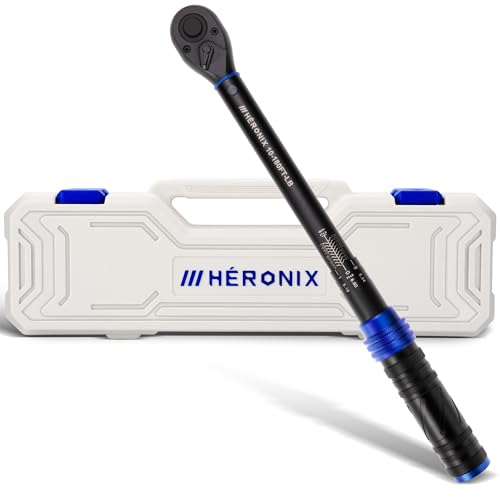 HERONIX 1/2 Inch Drive Click Torque Wrench, 10–180 Ft.Lb/13.6–244.0 Nm
Click-type wrench for lug nuts and anything with a torque spec. View on Amazon →
HERONIX 1/2 Inch Drive Click Torque Wrench, 10–180 Ft.Lb/13.6–244.0 Nm
Click-type wrench for lug nuts and anything with a torque spec. View on Amazon →
 MAGID Y50 Safety Glasses for Construction | Black Frame — 1 Pair, Clear
Eye protection for grinding, spraying, and overhead work. View on Amazon →
MAGID Y50 Safety Glasses for Construction | Black Frame — 1 Pair, Clear
Eye protection for grinding, spraying, and overhead work. View on Amazon →
Still need help? Ask an RV Mechanic
Get a personalized answer from a verified RV mechanic. Describe your specific issue and get step-by-step help for your rig.
Related Repair Guides
- Ford E-Series (E350/E450) RV Chassis: Complete Guide
- Ford F53 Chassis Complete Guide: Maintenance & Troubleshooting
- RV Flat Tire on Highway: Emergency Steps & Specialized Roadside Service Tips
- Ford E350 Dually Wheel Center Hole Size Guide: Front vs Rear Differences Explained
- RV Tires & Wheels: Complete Maintenance & Safety Guide
- Ford F53 Harsh Ride Fix: Shocks, Springs & Sway Bars
- 2003 Ford F53 Wheel Bearing Grease: Best Products
- Dutchstar Chassis Cracking Noise: Diagnosis & Repair Guide
- F53 Hydroboost Brake System Problems: Complete Repair & Troubleshooting Guide
- Which Dually Tire for RV Leveling Blocks? Inner vs Outer
Need More Help?
Try our free RV calculators and tools to help diagnose and plan your repairs.
Browse RV ToolsWeight calculator, electrical planner, propane estimator & more
