Ford F53 Motorhome Drag Link Replacement Guide (1999-2008) - Parts & Compatibility Tips
Read full question
I've been hunting for parts and of course the 1999-2008 drag links seem to have vanished into thin air on sites like RockAuto. But lo and behold, I found a 2009 Motorcraft MDOE35 drag link available. My optimistic side is thinking "close enough, right?" but my wallet (and my safety) are wondering if I'm being too hopeful.
Will this 2009 part actually work on my 1999 F53, or am I setting myself up for another one of those "seemed like a good idea at the time" RV moments? Any wisdom on where to actually find the right part for us pre-2009 folks?
Quick Answer
The 2009 Motorcraft MDOE35 drag link likely won't fit your 1999 F53 due to significant chassis changes in 2009. Check Ford commercial parts dealers or cross-reference with ES3466R for proper fitment on pre-2009 F53 motorhomes.
The Quick Answer
the correct drag link part for your model (verify with dealer) listed for 2009 F53 chassis will likely fit your 1999 F53. Ford reportedly made few changes to the F53 chassis steering components between 1999 and 2011, but verify compatibility with Ford parts department using your VIN, and this particular drag link maintained similar specifications throughout that production run. The reason you're not seeing 1999-2008 listings on RockAuto is likely due to their database organization - many suppliers group F53 parts by the major revision periods rather than individual years, and your 1999 falls into an earlier cataloging system that often gets overlooked in online parts databases.
The F53 chassis used in Class A motorhomes has been remarkably consistent in its front-end geometry. Your 1999 typically uses the same steering box mounting points, tie rod ends, and knuckle connections as the 2009, making the correct part for your model (verify with dealer) a potential direct replacement. However, I'd also recommend checking with Moog or TRW as alternatives, as these aftermarket options often provide better longevity than the factory Ford parts and may be more readily available at local parts stores.
What's Causing This
The confusion you're experiencing with parts availability stems from how the RV industry and parts suppliers handle F53 chassis components. Ford's F53 was specifically designed as a stripped chassis for RV manufacturers, and because the production volumes were relatively low compared to pickup trucks, parts cataloging can be inconsistent across different suppliers. Many online retailers like RockAuto organize their databases around high-volume consumer vehicles first, leaving commercial and specialty chassis in gaps that don't always align with model years.
Your drag link connects the steering gearbox to the left steering knuckle, and it's one of the most critical components in your RV's steering system. When it wears out, you'll typically notice increased play in the steering wheel, wandering while driving, or uneven tire wear patterns. The F53 chassis is known for having robust steering components, but the drag link takes a beating due to the weight and wind resistance of Class A motorhomes. The constant loading and unloading forces, combined with road vibrations and the occasional pothole, gradually wear out the ball joints and bushings within the drag link assembly.
Ford used similar basic steering geometry on the F53 from 1997 through 2011, with revisions in 2005 that included steering geometry updates. Verify compatibility across model years as these changes may affect drag link specifications. The mounting points, thread pitches, and overall dimensions remained generally consistent because changing these would have required RV manufacturers to modify their chassis specifications - something that would have been extremely costly across the industry. This consistency is typically good news for RV owners, as it means parts availability is better than it initially appears, and you have access to improvements Ford made in later years.
The part number discrepancy you're seeing is also related to how Ford updated their internal part numbering system over the years. Earlier F53 drag links might have carried different Ford part numbers, but the actual physical specifications often remained the same. When Ford consolidated their parts catalog in the mid-2000s, they often assigned new numbers to existing parts, which creates confusion in online databases that don't always cross-reference these changes properly.
Tools You'll Need
Before starting this repair, you'll need to gather the right tools to ensure the job goes smoothly and safely. The most critical tool for this job is a proper ball joint separator or pickle fork set, as you'll need to disconnect the drag link from both the steering box and the steering knuckle. A quality separator set with multiple sizes will serve you well for this and future front-end work on your RV.
You'll need a comprehensive socket set including both standard and deep sockets. F53 drag link connections typically use SAE sizes such as 15/16" and 1-1/8", though sizes can vary by model year (verify actual sizes before beginning work). A good breaker bar or impact wrench will be essential, as these connections are typically torqued to high specifications and may have accumulated years of corrosion. Don't underestimate the importance of having penetrating oil like PB Blaster or Kroil - spray all connections the night before you plan to work and again in the morning.
WARNING: Jack and jack stand requirements for this job are substantial given the weight of your motorhome. You'll need a floor jack rated for at least 3 tons, and heavy-duty jack stands rated for the weight of your RV's front end. Never attempt this repair using only the RV's leveling jacks, as they're not designed for safety during mechanical work. Position the jack stands on solid frame points, not on suspension components or body panels.
Additional tools include a torque wrench capable of handling the final installation torque specifications, safety glasses, work gloves, and a good flashlight or work light. You'll also want to have a wire brush and some brake cleaner or degreaser on hand to clean the connection points before installation. A digital camera or smartphone can be invaluable for taking reference photos before disassembly, especially if you're not familiar with F53 front-end components.
Step-by-Step Fix
WARNING: Start this repair by positioning your motorhome on level, solid ground, place wheel chocks behind the rear wheels, and engage the parking brake. Turn off the engine and allow it to cool completely before beginning work. Remove the key from the ignition and center the steering wheel, then lock it in position using the steering lock or wheel clamp to maintain proper alignment during drag link replacement. Mark the steering box and drag link positions before removal for proper alignment reference during installation. Take reference photos of the drag link connections and surrounding components before beginning disassembly. Mark or measure the drag link's position and thread engagement to maintain proper toe alignment during installation.
Raise the front of the motorhome using your floor jack positioned on the main frame rail, never on the axle or suspension components. Install jack stands on both sides for safety, even though you're only working on the steering components. The added stability will make the job safer and easier. Remove the front wheels to provide better access to the steering components and drag link connections.
Locate the drag link running from your steering gearbox (mounted on the frame rail) to the left steering knuckle. You'll see ball joint connections at both ends that need to be separated. Start by removing the castle nuts that secure the drag link to both the steering box and knuckle - these are typically 18mm or 19mm nuts with cotter pins that need to be removed first. Use your penetrating oil liberally on these connections, as they're often corroded in place.
Use your ball joint separator to disconnect the drag link from the steering box first. Position the separator carefully to avoid damaging the threads or surrounding components. Apply steady pressure with the separator while tapping gently with a hammer on the knuckle or steering box arm to help break the connection loose. Once separated, repeat the process on the steering knuckle end. The old drag link should now be free for removal.
Before installing the new drag link, clean all connection points thoroughly with a wire brush and brake cleaner. Inspect the ball joint sockets on both the steering box and knuckle for excessive wear or damage - if these are worn, they should be replaced before installing the new drag link. Apply a light coat of anti-seize compound to the threads and ball joint surfaces to prevent future corrosion and make future service easier.
Install the new drag link by connecting it first to the steering box, then to the steering knuckle. Ensure proper thread engagement and torque to manufacturer specifications. Install new cotter pins and verify all connections are secure before lowering the vehicle.
When installing the new drag link, connect it to the steering box first, then to the steering knuckle. Thread on the castle nuts hand-tight initially, then use your torque wrench to torque to manufacturer specifications (typically 85-110 ft-lbs for F53 drag link connections, but verify with Ford service manual for your specific year). Install new cotter pins through the castle nuts to secure them. Ensure the cotter pins are properly bent to prevent them from backing out. Reinstall wheels, lower the motorhome, and test steering operation before driving. from backing out.
Reinstall the wheels and lower the motorhome back to the ground. Before driving, start the engine and turn the steering wheel slowly from lock to lock several times to ensure everything is connected properly and operating smoothly. Check that the steering wheel returns to center position when released and that there's no binding or unusual noise from the front end.
Take the motorhome for a careful test drive at low speeds initially, checking for proper steering response and any unusual vibrations or noises. Have the front-end alignment checked within the first few hundred miles, as installing a new drag link can affect toe settings and overall alignment specifications.
When to Call a Pro
While replacing a drag link is within the capabilities of most DIY mechanics, there are several situations where professional help is advisable. If you encounter seized or severely corroded connections that resist normal removal techniques, a professional shop has specialized tools and heating equipment that can safely remove stubborn components without damaging surrounding parts. Attempting to force corroded connections can result in expensive damage to the steering box or knuckles.
Consider professional installation if your motorhome requires front-end alignment equipment that you don't have access to. While the drag link replacement itself doesn't always require immediate alignment, worn steering components often indicate that other front-end parts need attention, and a comprehensive inspection by a qualified technician can identify problems before they become safety issues. Professional shops also have the proper lifting equipment to safely handle heavy motorhomes.
If you discover that the steering box or knuckle ball joint sockets are excessively worn during your inspection, these repairs typically require specialized tools and experience that make professional service more cost-effective. Additionally, if your motorhome is still under warranty or extended service coverage, having the work performed by a qualified RV service center may be required to maintain your coverage.
Any time you feel uncomfortable with the scope of the repair or encounter unexpected complications, it's better to seek professional help than risk compromising your RV's steering safety. Steering system failures can be catastrophic, especially in large motorhomes, so this isn't an area where shortcuts or uncertainties are acceptable. A reputable RV service center will also stand behind their work with warranties and guarantees that provide peace of mind for critical safety components like steering parts.
Tools & Supplies You'll Need
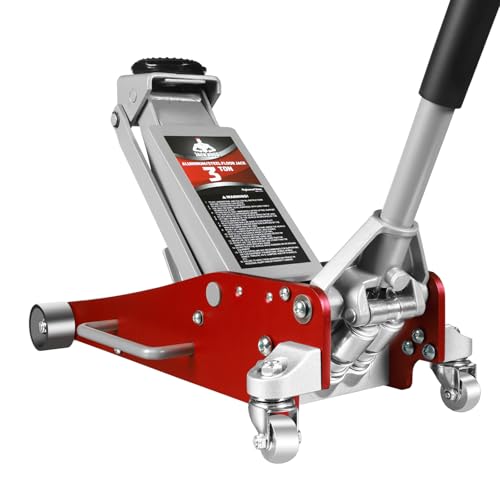 Jack Boss 3 Ton Low Profile, Aluminum and Steel Racing Floor Jack with Dual
Lifts the chassis for tire and suspension work. View on Amazon →
Jack Boss 3 Ton Low Profile, Aluminum and Steel Racing Floor Jack with Dual
Lifts the chassis for tire and suspension work. View on Amazon →
 BIG RED T43202 Torin Heavy Duty Steel Jack Stands: 3 Ton (6,000 lb) Capacity
Hold the rig up safely once it is lifted. View on Amazon →
BIG RED T43202 Torin Heavy Duty Steel Jack Stands: 3 Ton (6,000 lb) Capacity
Hold the rig up safely once it is lifted. View on Amazon →
 CRAFTSMAN 230 Pcs Mechanics Tool Set, Socket Wrench Set, Car Tool Kit with
A broad SAE/metric socket-and-ratchet set covers most RV fasteners. View on Amazon →
CRAFTSMAN 230 Pcs Mechanics Tool Set, Socket Wrench Set, Car Tool Kit with
A broad SAE/metric socket-and-ratchet set covers most RV fasteners. View on Amazon →
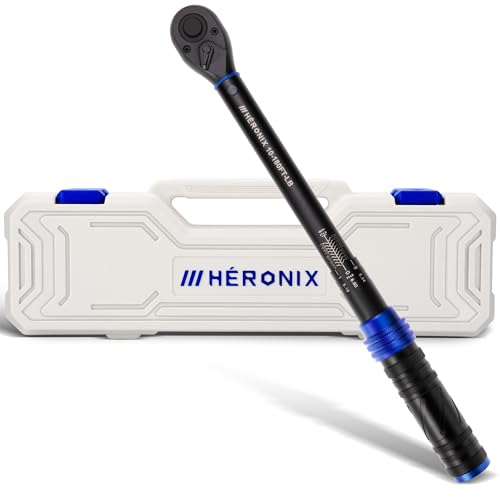 HERONIX 1/2 Inch Drive Click Torque Wrench, 10–180 Ft.Lb/13.6–244.0 Nm
Click-type wrench for lug nuts and anything with a torque spec. View on Amazon →
HERONIX 1/2 Inch Drive Click Torque Wrench, 10–180 Ft.Lb/13.6–244.0 Nm
Click-type wrench for lug nuts and anything with a torque spec. View on Amazon →
Still need help? Ask an RV Mechanic
Get a personalized answer from a verified RV mechanic. Describe your specific issue and get step-by-step help for your rig.
Related Repair Guides
- Ford E-Series (E350/E450) RV Chassis: Complete Guide
- Ford F53 Chassis Complete Guide: Maintenance & Troubleshooting
- RV Flat Tire on Highway: Emergency Steps & Specialized Roadside Service Tips
- Ford E350 Dually Wheel Center Hole Size Guide: Front vs Rear Differences Explained
- RV Tires & Wheels: Complete Maintenance & Safety Guide
- Ford F53 Harsh Ride Fix: Shocks, Springs & Sway Bars
- 2003 Ford F53 Wheel Bearing Grease: Best Products
- Dutchstar Chassis Cracking Noise: Diagnosis & Repair Guide
- F53 Hydroboost Brake System Problems: Complete Repair & Troubleshooting Guide
- Which Dually Tire for RV Leveling Blocks? Inner vs Outer
Need More Help?
Try our free RV calculators and tools to help diagnose and plan your repairs.
Browse RV ToolsWeight calculator, electrical planner, propane estimator & more
