F-53 Motorhome Leaf Springs: Complete Replacement Guide & Warning Signs to Watch
Read full question
I keep seeing posts about people replacing leaf springs on much newer rigs, and it's got me wondering if I should be doing the same. My coach is 30 years old now, but honestly I don't see any obvious sagging and the springs look okay to my untrained eye. I do have some worn bushings that I'm planning to replace.
What are the actual warning signs that leaf springs need to be completely replaced? Am I missing something obvious, or could my old Arizona springs actually still be fine? I don't want to spend money I don't need to, but I also don't want to ignore something important for safety.
Quick Answer
Leaf springs rarely need replacement unless cracked, severely rusted, or visibly sagging. Your 30-year Arizona springs with no rust or sag are fine. Replace bushings as planned.
Short Answer
With your 1995 F-53 showing no sagging, no rust, and having Firestone Ride-Rite airbags from day one, you're likely fine to just replace those dried-out bushings rather than the entire leaf spring assembly. The fact that you're seeing people replace springs on 2010 rigs with 40k miles suggests those were either abused, overloaded, or had manufacturing defects. At thirty years old, your springs have proven their durability in Arizona's dry climate. The primary indicators for full spring replacement are visible sagging when loaded, cracked or broken leaves, severe corrosion eating through the metal, or a noticeable change in ride quality and handling. Since you've maintained proper air support and stored in Arizona's rust-free environment, focus on the bushings first and monitor for the telltale signs of actual spring failure.
Understanding the Problem
Your situation is actually quite common among long-term RV owners, and you're asking exactly the right questions. The confusion about when to replace leaf springs comes from the wide variation in how these components are used and maintained. Those 2010 rigs with 40k miles that needed springs likely fell victim to one of several scenarios: chronic overloading beyond the GVWR, frequent off-road use that stressed the springs beyond their design limits, or storage in humid coastal environments where salt air accelerated corrosion.
Ford F-53 chassis have maintained a generally consistent leaf spring design over the decades, though you should verify specific spring specifications with Ford or your chassis manual as there may be variations between model years. The springs themselves are made from high-carbon steel that, when properly maintained and not overloaded, can literally last the lifetime of the vehicle. What typically fails first are the supporting components - bushings, shackles, and mounting hardware - which is exactly what you're experiencing.
The Firestone Ride-Rite airbags you've had since day one are actually working in your favor here. These systems reduce the dynamic loading on the leaf springs by absorbing much of the bounce and oscillation that would normally stress the spring steel. When properly adjusted, airbags can extend leaf spring life significantly because they're handling a portion of the suspension duties. This explains why your springs are still serviceable after three decades while others needed replacement much sooner.
Arizona's climate has been your biggest ally in this longevity story. Common causes of leaf spring failure include corrosion rather than just age or mileage. In humid environments, especially coastal areas with salt exposure, the thin steel leaves develop surface rust that gradually eats away at the cross-sectional area. As the steel gets thinner, it loses load capacity and becomes prone to cracking. Your desert environment has essentially eliminated this failure mode, leaving only mechanical wear and fatigue as concerns.
What You'll Need
For your bushings replacement project, you'll need a basic but specific set of tools and parts. Start with a quality floor jack rated for at least 3 tons, along with heavy-duty jack stands - never trust your life to a jack alone when working under an RV. You'll need a good socket set with extensions - consult your service manual for the specific socket sizes required for your model year's spring hardware, as these can vary. A breaker bar or impact wrench will make your life much easier when dealing with rusted or thread-locked bolts that have been in place for decades.
WARNING: Working under an RV requires proper jack stands and safety procedures. Never work under a vehicle supported only by a jack. Ensure the RV is on level, solid ground and use wheel chocks.
The bushings themselves are usually polyurethane or rubber, and you'll want to stick with OEM specifications unless you're specifically looking to change ride characteristics. Energy Suspension makes excellent polyurethane bushings for F-53 chassis that offer longer life than rubber but with a slightly firmer ride. Expect to pay around $40-60 for a complete bushing set per axle (both sides) (rough ballpark — actual cost varies by region, brand, and model year, and changes over time, so get current quotes). You'll also want to have penetrating oil like PB Blaster or Kroil on hand, applied several days before starting work to help with stubborn bolts.
For inspection purposes, you'll need a good flashlight or LED work light to examine the spring leaves thoroughly. A wire brush will help clean off surface dirt and grime so you can properly evaluate the steel condition. Consider having a digital camera or phone ready to document anything questionable that you might want to research further or show to a professional.
If you do decide full spring replacement is necessary after your inspection, you're looking at significantly more equipment and extreme safety risks. Compressed leaf springs store tremendous energy and can cause severe injury or death if they release unexpectedly. We strongly recommend having full spring replacement performed by qualified professionals with proper equipment rather than attempting this as a DIY project. The springs themselves typically run $300-500 per axle for quality aftermarket units, with OEM Ford parts commanding a premium.
How to Fix It
Start your evaluation with a comprehensive visual inspection while the RV is on level ground and fully loaded as you'd normally travel. Walk around the rig and look at it from behind - you're checking for any obvious sagging or asymmetry between sides. The rear axle should sit level, and if you have a tandem axle setup, both axles should be carrying load relatively equally. Take photos from several angles so you can compare later if you suspect changes over time.
Next, get under the rig with your work light and really examine each leaf spring assembly. You're looking for several specific things: cracked or broken leaves (these will be obvious, appearing as clean breaks across the steel), severe corrosion that has eaten into the metal thickness, and leaves that have separated or shifted from their designed positions. Pay particular attention to the center bolt that holds the leaf stack together - if this is loose or broken, the entire spring assembly loses its designed load distribution.
Check the spring eyes and bushings carefully. The bushings you've already identified as needing replacement, but also look at the actual spring eyes for cracks or elongation. Thirty years of use can cause the steel eyes to gradually deform, which changes the suspension geometry. Look for rust streaks or corrosion around the bushing areas, as this often indicates moisture intrusion that could lead to hidden damage.
Now comes the functional test: with someone reliable helping you, have them bounce the rear of the RV up and down while you watch the spring action. The springs should compress and rebound smoothly without binding, unusual noises, or erratic movement. Listen for squeaking, grinding, or clunking sounds that might indicate worn bushings or damaged leaves. If you have access to the RV when it's unloaded, repeat this test and compare the difference in spring behavior.
For the bushing replacement itself, support the axle properly with jack stands and remove the old bushings carefully. Take photos before disassembly so you remember the correct orientation and assembly sequence. Clean all the mounting surfaces thoroughly, removing any corrosion or debris that could prevent proper seating of the new bushings. Apply a light coating of appropriate grease to the new bushings before installation - this will extend their life and reduce noise.
When reassembling, torque all fasteners to manufacturer specifications (verify with your service manual). Proper torque is critical because under-tightened bolts will work loose under load, while over-tightened bolts can strip threads or break. Over-tightened bolts can damage the bushings or create stress concentrations in the mounting hardware.
Leave It to the Experts
While bushing replacement is well within the capabilities of most experienced DIY mechanics, full leaf spring replacement should generally be left to professionals due to the specialized equipment required and significant safety risks involved. capability of most DIY RV mechanics, there are several scenarios where professional involvement becomes wise or necessary. If your inspection reveals any cracked or broken spring leaves, don't attempt repair yourself. Leaf spring disassembly and reassembly requires specialized tools and experience to do safely, and the consequences of improper installation can be catastrophic while driving.
WARNING: Compressed leaf springs store tremendous energy and can cause serious injury or death if they release unexpectedly. Never attempt to disassemble leaf spring packs without proper spring compressor tools and experience.
Consider professional help if you discover that your springs have sagged significantly or if the RV exhibits handling problems like excessive sway, bottoming out over bumps, or uneven tire wear patterns. These symptoms often indicate that the springs have taken a permanent set and lost their designed load capacity. A qualified shop can measure the actual spring rates and compare them to specifications, something that's difficult to do accurately without proper equipment.
Heavy-duty truck shops with RV experience are typically your best bet for this type of work. They have the spring compressors, lifting equipment, and experience necessary to safely service leaf spring assemblies. Many also have relationships with spring manufacturers who can custom-build springs if your application requires non-standard specifications or if you want to upgrade load capacity.
The cost for professional spring replacement typically runs $800-1200 per axle including labor, depending on your location and the specific springs required. This might seem expensive, but consider that improperly installed springs can lead to loss of vehicle control, tire blowouts from improper loading, or even axle failure. The peace of mind from professional installation often justifies the cost, especially on a thirty-year-old vehicle where you might encounter unexpected complications during the work.
However, given your specific situation - no visible problems, good maintenance history, and protective climate - you're likely looking at many more years of service from your existing springs with just the bushing refresh you're planning. Monitor the situation annually during your regular maintenance routine, and replace the springs when they actually show signs of failure rather than preemptively based on age or mileage alone.
Tools & Supplies You'll Need
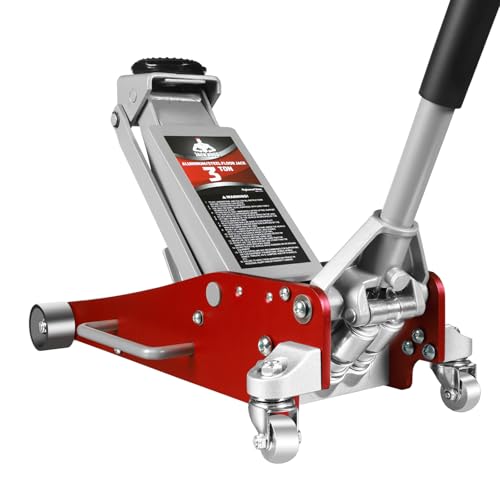 Jack Boss 3 Ton Low Profile, Aluminum and Steel Racing Floor Jack with Dual
Lifts the chassis for tire and suspension work. View on Amazon →
Jack Boss 3 Ton Low Profile, Aluminum and Steel Racing Floor Jack with Dual
Lifts the chassis for tire and suspension work. View on Amazon →
 BIG RED T43202 Torin Heavy Duty Steel Jack Stands: 3 Ton (6,000 lb) Capacity
Hold the rig up safely once it is lifted. View on Amazon →
BIG RED T43202 Torin Heavy Duty Steel Jack Stands: 3 Ton (6,000 lb) Capacity
Hold the rig up safely once it is lifted. View on Amazon →
 CRAFTSMAN 230 Pcs Mechanics Tool Set, Socket Wrench Set, Car Tool Kit with
A broad SAE/metric socket-and-ratchet set covers most RV fasteners. View on Amazon →
CRAFTSMAN 230 Pcs Mechanics Tool Set, Socket Wrench Set, Car Tool Kit with
A broad SAE/metric socket-and-ratchet set covers most RV fasteners. View on Amazon →
Still need help? Ask an RV Mechanic
Get a personalized answer from a verified RV mechanic. Describe your specific issue and get step-by-step help for your rig.
Related Repair Guides
- Ford E450 V10 Reliability: Expected Mileage and Longevity Guide for RV Owners
- Newmar Motorhome Rough Ride Fix: Suspension & Air Pressure
- Ford V10 Triton Engine Maintenance Guide: EGR Delete vs Regular Service Tips
- Ford V10 Turbo Kit for Motorhomes: Cost, Risks & Better Alternatives
- Ford E450 Inertia Switch Location Guide - Find Your RV's Fuel Cutoff Reset Point
- Onan 5500 Generator Problems: Complete Repair Guide
- Fleetwood Excursion Tire Upgrade Guide: 255 to 275 Width Conversion
- Ford E-350 vs E-450 RV Chassis: Fuel, Power & Weight
- Ford F53 7.5L RV Won't Start: Fuel Pump Relay Voltage Drop Fix
- Generac 7.5kW Diesel Generator Repair Guide - RV Troubleshooting
Need More Help?
Try our free RV calculators and tools to help diagnose and plan your repairs.
Browse RV ToolsWeight calculator, electrical planner, propane estimator & more
