F53 Differential Pinion Seal Leak: Complete Repair Guide for RV Owners
Read full question
Quick Answer
Pinion seal leak on 2021 F53 should be warranty repair. Pool of oil under diff indicates seal failure. Critical to maintain pinion preload during repair. Verify oil level before driving.
The Straight Answer
Your 2021 F53 chassis experienced exactly what Ford diagnosed - a failed pinion seal that allowed differential oil to contaminate your parking brake system. This is actually a known issue on these chassis, and you were smart to catch it early at 15,675 miles. The repair Ford performed was comprehensive and correct: they replaced the leaking pinion seal, the oil-saturated parking brake drum that had heat cracked from the contamination, and the parking brake shoes that were completely soaked in gear oil. The fact that this was covered under warranty confirms this is a recognized defect rather than normal wear.
What happened to your motorhome is that the pinion seal - which keeps differential oil from leaking out where the driveshaft connects to the rear axle - deteriorated prematurely. When it failed, hot gear oil sprayed directly onto your parking brake components. This is particularly damaging because the parking brake on your F53 chassis is mounted in a separate drum assembly near the differential, so any oil leak from the pinion seal goes straight into the brake assembly. The oil contamination ruins the friction materials and can cause the metal components to overheat and crack, which is exactly what Ford found on your coach.
The repair bill would have been substantial if not covered by warranty - repair shops typically report costs in the range mentioned, though specific pricing varies by location and labor rates. The pinion seal itself is inexpensive (around $25-40), but the labor to properly remove the driveshaft, disassemble the differential, and replace contaminated brake components adds up quickly. (Rough ballpark — actual cost varies by region, brand, and model year, and changes over time, so get current quotes.) Ford's thorough approach of replacing everything contaminated rather than trying to clean components was the right call for a long-term fix.
Breaking It Down
The pinion seal failure on your F53 chassis follows a predictable pattern that Ford techs see regularly. The seal sits at the front of the differential where the pinion yoke connects to the driveshaft. Over time, heat cycles, vibration, and the constant rotation cause the seal lip to harden and lose its sealing ability. On motorhomes, this happens faster than on regular trucks because of the extended highway driving and heavier loads that generate more heat in the differential.
When the seal starts leaking, it doesn't just drip oil onto the ground - it flings hot gear oil in all directions due to the spinning motion of the pinion yoke. Your parking brake drum acts like a catch basin, collecting this oil and allowing it to saturate the brake shoes. The combination of oil contamination and heat creates a cascading failure: the brake shoes lose their friction properties, can't dissipate heat properly, and the drum itself begins to overheat and crack from thermal stress.
Ford's diagnostic approach was thorough and appropriate. They started by confirming the leak source, then assessed all affected components. The fact that they found the parking brake drum was "saturated in gear oil and heat cracked" tells you this leak had been developing for a while, even though you just noticed the oil pool after your last trip. The cracking indicates the drum experienced repeated heating and cooling cycles while oil-contaminated, making replacement necessary rather than just cleaning.
The repair process Ford followed is the industry standard for this type of failure. Removing the driveshaft allows proper access to the pinion area and prevents any chance of the shaft moving during the work. Taking out the parking brake assembly completely ensures all contaminated components are identified and replaced. The new pinion nut and proper torque specification are critical because an improperly seated pinion can cause premature seal failure again.
Safety Warning: To prevent premature seal failure, follow Ford's recommended maintenance intervals for differential service as specified in your owner's manual, which varies by model year and usage conditions. Regular inspection during routine maintenance can catch early signs of seal deterioration before major contamination occurs.
What You Need
If you were to tackle this repair yourself or need to address it outside of warranty in the future, understanding the required parts and tools is essential. Based on Ford's work order, the main components needed are the correct pinion oil seal for your model (verify with dealer), parking brake assembly (correct part for your model - verify with dealer), parking brake drum (correct part for your model - verify with dealer), and various hardware including the pinion nut and new driveshaft straps and bolts (all verified with dealer for your specific model).
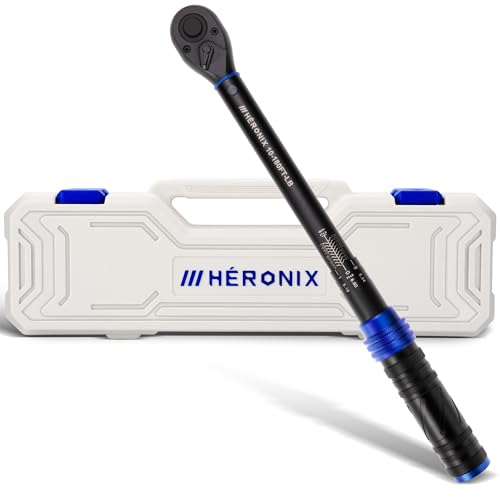
The specialty tools required make this a challenging DIY repair. You'll need a substantial puller to remove the pinion yoke, which requires significant force. A foot-pound torque wrench capable of high torque specifications is essential for the pinion nut installation. If the pinion yoke or bearings are disturbed during seal replacement, pinion depth and backlash measurements may be required, which needs dial indicators and the experience to interpret the readings correctly.
For the parking brake work, you'll need standard brake tools including spring pliers for the shoe hardware, but the real challenge is properly adjusting the parking brake afterward. The F53 chassis uses a specific adjustment procedure that differs from passenger cars, and getting it wrong can cause the brakes to drag or not engage properly. The brake drum removal also requires a puller in many cases, especially if it's been heat-damaged and seized.
Safety Warning: This repair requires working under a heavy vehicle with proper jack stands rated for your motorhome's weight. Eye protection is essential when removing the pinion yoke, as residual gear oil under pressure can spray out unexpectedly. Work gloves help when handling oil-contaminated brake components, but ensure they don't interfere with tool operation.
Doing the Work
The repair begins with proper vehicle preparation, which Ford handled correctly by chocking the wheels and putting the transmission in neutral. This prevents the vehicle from rolling and allows the driveshaft to be rotated freely during removal. The driveshaft removal itself requires marking the relationship between the shaft and pinion yoke before unbolting, ensuring it goes back in the same position to maintain driveline balance.
Once the driveshaft is out, accessing the separate parking brake drum assembly reveals the extent of oil contamination. Ford found yours was completely saturated, which explains why they replaced rather than attempted to clean it. A heat-cracked drum cannot be safely reused because the cracks will continue to propagate under the stress of braking, potentially leading to catastrophic failure.
The pinion removal process requires careful measurement of the original pinion depth before disassembly. This measurement ensures the new seal is installed at the correct depth to maintain proper gear contact patterns. Ford's approach of removing the parking brake cable and entire assembly gives complete access to clean all oil contamination from the axle housing and surrounding areas.
Installing the new pinion seal requires the right tools and technique. The seal must go in square and to the proper depth, typically requiring a seal driver or large socket that matches the seal's outer diameter. Over-driving the seal can damage it, while under-driving leaves it prone to leaking. The new pinion nut installation is critical - it must be torqued to manufacturer specifications to maintain proper pinion bearing preload while not over-tightening and causing premature bearing failure.
Reassembly follows the reverse order with attention to torquing all fasteners to manufacturer specifications. Refill differential with proper gear oil type and quantity per Ford specifications before returning vehicle to service. specifications throughout. The new parking brake components must be properly adjusted using Ford's specific procedure for the F53 chassis. This typically involves a sequence of adjustments with the drum installed, checking for proper clearance and engagement. The driveshaft installation requires new hardware as Ford used, since the original straps and bolts may have been stretched or damaged during removal.
The final step involves refilling the differential with the correct specification gear oil and road testing to verify the repair. Ford's notation about rechecking for leaks after the road test confirms this is a critical verification step. Any immediate leakage would indicate an installation problem that needs immediate attention.
Time for a Pro
While Ford handled your repair under warranty, there are specific situations where seeking professional help is the smart choice even for experienced DIYers. Differential work requires specialized knowledge about gear patterns, bearing preloads, and assembly tolerances that can lead to expensive failures if done incorrectly. The fact that your repair was covered under warranty also suggests this is a known issue that Ford techs have significant experience addressing.
The complexity of properly setting pinion depth and bearing preload makes this repair particularly challenging for home mechanics. These measurements affect gear life, noise levels, and overall differential durability. Getting them wrong can result in premature gear wear, excessive noise, or even catastrophic gear failure that could leave you stranded. Professional shops have the specialized measuring tools and experience to get these critical settings right the first time.
Time considerations also favor professional repair in many cases. Ford's technician spent considerable time on your repair even with professional tools and experience. A DIYer attempting this work could easily spend an entire weekend or longer, especially if complications arise. The potential for creating additional problems while learning the procedures can turn a straightforward repair into a major rebuild.
Cost analysis often favors professional repair when you factor in tool purchases, potential mistakes, and time value. The specialty tools needed for this job - pinion yoke puller, torque wrench, dial indicators - can cost several hundred dollars that you'll rarely use again. Professional shops already have these tools and the expertise to use them efficiently. When you add the cost of potential mistakes requiring additional parts or professional correction, the shop repair often becomes the economical choice.
For future reference, watch for early warning signs of pinion seal problems: small amounts of gear oil on your driveway after parking, unusual noises from the rear axle, or any change in differential operation. Catching seal leaks early prevents the extensive brake contamination you experienced and keeps repair costs manageable. Regular inspection of the differential area during routine maintenance can catch these problems before they become expensive repairs.
Tools & Supplies You'll Need
Still need help? Ask an RV Mechanic
Get a personalized answer from a verified RV mechanic. Describe your specific issue and get step-by-step help for your rig.
Related Repair Guides
- Ford E450 V10 Reliability: Expected Mileage and Longevity Guide for RV Owners
- Newmar Motorhome Rough Ride Fix: Suspension & Air Pressure
- Ford V10 Triton Engine Maintenance Guide: EGR Delete vs Regular Service Tips
- Ford V10 Turbo Kit for Motorhomes: Cost, Risks & Better Alternatives
- Ford E450 Inertia Switch Location Guide - Find Your RV's Fuel Cutoff Reset Point
- Onan 5500 Generator Problems: Complete Repair Guide
- Fleetwood Excursion Tire Upgrade Guide: 255 to 275 Width Conversion
- Ford E-350 vs E-450 RV Chassis: Fuel, Power & Weight
- Ford F53 7.5L RV Won't Start: Fuel Pump Relay Voltage Drop Fix
- Generac 7.5kW Diesel Generator Repair Guide - RV Troubleshooting
Need More Help?
Try our free RV calculators and tools to help diagnose and plan your repairs.
Browse RV ToolsWeight calculator, electrical planner, propane estimator & more
