F53 Chassis Leaf Spring Problems: Signs of Failure and Replacement Guide
Read full question
Quick Answer
Bad F53 leaf spring shows as crack, sag, or broken leaf. Safety critical - replace immediately if cracked. Inspect spring eyes carefully.
What's Going On
Dawgman, your 2001 F53 chassis front leaf spring replacement is a good move, and those upgraded 3750# springs make sense for your loaded front axle weight of 6000#. The stock 2750# springs were likely undersized from the factory, which is commonly why they fail prematurely. That $1,000 quote for both front springs is reasonable for quality aftermarket units - expect to pay $400-600 per spring for proper heavy-duty replacements (rough ballpark — actual cost varies by region, brand, and model year, and changes over time, so get current quotes). The upgrade to higher capacity springs will handle your actual weight better and should last significantly longer than the original equipment.
Ford's F53 chassis is known for having leaf springs that are marginal for real-world RV use. Your front axle carrying 6000# loaded puts significant stress on those original 2750# rated springs, especially when you factor in dynamic loads from road conditions and braking forces. The failure you're experiencing is common on F53 chassis RVs, particularly those from the early 2000s era.
Why This Happens
Ford designed the F53 chassis as a commercial truck platform that gets modified for RV use, but the spring ratings often don't match the actual loaded weights once the RV manufacturer adds the house structure, appliances, and personal belongings. Your 6000# front axle weight is pushing those 2750# springs well beyond their comfort zone, especially considering the additional dynamic forces from driving, turning, and braking beyond the spring's rated capacity.
The constant overloading causes the spring leaves to develop stress fractures, usually starting with cracks in the spring steel. You'll typically see sagging on one side first, uneven tire wear, and potentially hear clunking or squeaking noises over bumps. Once one spring starts failing, it puts additional stress on the remaining spring, accelerating wear on both sides.
Environmental factors also play a role - road salt, moisture, and the constant flexing motion gradually weaken the spring steel over 20+ years. The rubber bushings and spring pins also deteriorate, allowing more movement and stress concentration in the springs themselves.
Getting Ready
WARNING: Compressed leaf springs store tremendous energy and can cause serious injury or death if they slip. Never attempt this work without proper equipment and safety precautions. Use only equipment rated for your RV's weight.
Before starting this job, you'll need proper equipment since you're dealing with significant weight and spring tension. A quality floor jack rated for at least 3 tons, heavy-duty jack stands rated for your RV's weight, and a spring compressor tool are essential. Don't attempt this with inadequate equipment.
Gather your tools: socket set with extensions, penetrating oil (PB Blaster or similar), wire brushes, safety glasses, and work gloves. You'll also want to have replacement spring bushings, U-bolts, and potentially new shackles on hand since these components often need replacement when doing spring work on a 20+ year old chassis.
Plan for the job to take a full weekend if you're doing both sides. The passenger side is often easier to access than the driver's side due to exhaust routing, but budget 6-8 hours per side for a thorough job including cleanup and painting of spring mounts. Have your alignment checked afterward since new springs will likely change your front end geometry slightly.
Order your springs well in advance - quality heavy-duty F53 leaf springs often have 2-4 week lead times from specialty chassis suppliers. Verify the eye-to-eye length and spring rate specifications match your chassis before ordering.
Walking Through the Fix
WARNING: Always use proper jack stands rated for your RV's weight. Never work under a vehicle supported only by a jack. Ensure the vehicle is on level ground and rear wheels are securely chocked.
Start by parking on level ground and chocking the rear wheels securely. Jack up the front of the RV and support it on heavy-duty stands placed on the frame rails, not on spring mounts or axle components. Remove the wheel and tire to give yourself working room around the spring assembly.
Disconnect the shock absorber from its lower mount to prevent damage during spring removal. Support the axle with a floor jack placed under the differential housing - you'll need to control the axle position as you remove spring tension. Remove the U-bolts that clamp the spring to the axle, then carefully lower the axle to relieve spring compression. Use the spring compressor tool if additional compression is needed to safely remove the spring from its mounting points.
The front spring eye typically bolts to a bracket on the frame rail, while the rear uses a shackle assembly that allows for spring length changes during compression. Remove the front eye bolt first, then work on the rear shackle bolts. These bolts are often corroded and may require significant penetrating oil and patience. A impact gun can be helpful, but be careful not to damage threads.
Installation is essentially the reverse process, but take time to clean all mounting points and apply anti-seize compound to bolt threads. Torque all bolts to manufacturer specifications - consult your chassis service manual for exact values as these are critical for safety. Don't fully tighten everything until the RV is back on the ground and at normal ride height - this prevents binding in the spring bushings.
Beyond DIY Territory
While mechanically capable RVers can tackle leaf spring replacement, several factors might push this job to a professional shop. The specialized spring compressor tools needed for safe removal aren't commonly owned, and renting them plus the time investment might make professional installation cost-effective. Additionally, old leaf springs should be recycled as scrap steel at appropriate recycling facilities.
Consider professional installation if you don't have a level workspace with adequate clearance, or if you discover additional problems like worn spring hangers, cracked frame mounts, or severely corroded hardware that requires welding repairs. A good truck spring shop will also pressure-test your work and ensure proper alignment, which is critical for safe handling and tire wear.
After installation, whether DIY or professional, have your front end alignment checked within 100 miles. New springs will change your caster and camber angles slightly, and proper alignment is essential for tire wear and steering stability. Budget an additional $100-150 for alignment service at a shop equipped to handle large RVs.
Finally, consider this an opportunity to inspect other front end components while you have easy access. Check ball joints, tie rod ends, and steering linkage for wear - these components experience the same harsh conditions as your springs and may need attention on a 20+ year old chassis. This comprehensive approach ensures your front suspension system works as a complete unit for optimal safety and performance.
Tools & Supplies You'll Need
 BIG RED T43202 Torin Heavy Duty Steel Jack Stands: 3 Ton (6,000 lb) Capacity
Hold the rig up safely once it is lifted. View on Amazon →
BIG RED T43202 Torin Heavy Duty Steel Jack Stands: 3 Ton (6,000 lb) Capacity
Hold the rig up safely once it is lifted. View on Amazon →
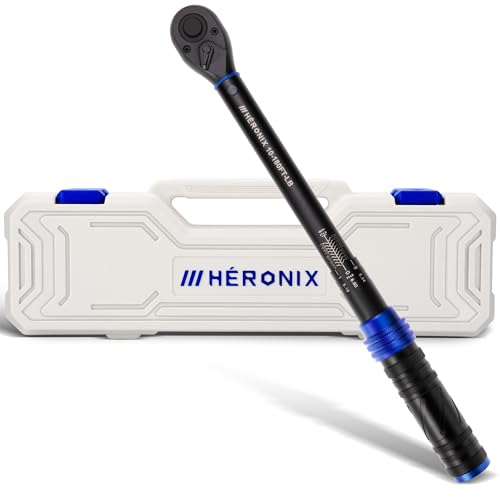 HERONIX 1/2 Inch Drive Click Torque Wrench, 10–180 Ft.Lb/13.6–244.0 Nm
Click-type wrench for lug nuts and anything with a torque spec. View on Amazon →
HERONIX 1/2 Inch Drive Click Torque Wrench, 10–180 Ft.Lb/13.6–244.0 Nm
Click-type wrench for lug nuts and anything with a torque spec. View on Amazon →
Still need help? Ask an RV Mechanic
Get a personalized answer from a verified RV mechanic. Describe your specific issue and get step-by-step help for your rig.
Related Repair Guides
- Ford E450 V10 Reliability: Expected Mileage and Longevity Guide for RV Owners
- Newmar Motorhome Rough Ride Fix: Suspension & Air Pressure
- Ford V10 Triton Engine Maintenance Guide: EGR Delete vs Regular Service Tips
- Ford V10 Turbo Kit for Motorhomes: Cost, Risks & Better Alternatives
- Ford E450 Inertia Switch Location Guide - Find Your RV's Fuel Cutoff Reset Point
- Onan 5500 Generator Problems: Complete Repair Guide
- Fleetwood Excursion Tire Upgrade Guide: 255 to 275 Width Conversion
- Ford E-350 vs E-450 RV Chassis: Fuel, Power & Weight
- Ford F53 7.5L RV Won't Start: Fuel Pump Relay Voltage Drop Fix
- Generac 7.5kW Diesel Generator Repair Guide - RV Troubleshooting
Need More Help?
Try our free RV calculators and tools to help diagnose and plan your repairs.
Browse RV ToolsWeight calculator, electrical planner, propane estimator & more
