2017 Tiffin DEF System Codes: Cummins L9 Troubleshooting
Read full question
Quick Answer
Multiple DEF codes typically indicate either a failing DEF head assembly or wiring harness issues. Professional diagnosis is recommended as DEF system tampering violates federal emissions regulations.
Understanding Your DEF System Problem
Yesterday your 2017 Tiffin was throwing a confusing mess of DEF system codes — by tonight you'll know exactly which wire is causing the chaos and how to fix it. Verify your specific engine type, as this typically affects coaches equipped with Cummins engines. The DEF (Diesel Exhaust Fluid) system is intricate, and when multiple codes appear simultaneously, it's often traced back to either the DEF head assembly or associated wiring harness problems.
Your suspicion about the DEF head assembly is well-founded. This component houses the injector that meters DEF into the exhaust stream, along with various sensors and electrical connections. When this assembly begins to fail, it commonly throws multiple codes because several systems can't communicate properly with the engine control module.
Common Causes of Multiple DEF Codes
The short-to-ground faults you're seeing typically originate from a few specific areas. Water intrusion into the DEF head assembly connectors is a frequent culprit, especially if the motorhome has been exposed to heavy rain or washing. The electrical connectors on these systems aren't always as weatherproof as they should be.
Corrosion within the wiring harness is another common cause, particularly where the harness runs near the DEF tank or in areas exposed to road salt and moisture. The Cummins L9 DEF system uses multiple sensors that must maintain precise electrical values, and even minor resistance changes from corrosion can trigger fault codes.
A failing DEF head assembly itself will generate cascading errors. When the primary injection system malfunctions, the engine control module can't verify proper DEF delivery, leading to sensor communication errors, flow rate faults, and pressure-related codes all appearing together.
Diagnostic Steps Before Replacement
Before replacing the DEF head assembly, I'd recommend having the system properly diagnosed with appropriate scan tools. A quality diesel shop can read the specific fault codes and perform resistance tests on the wiring harness. This step can save significant money if the issue is actually a damaged wire or corroded connector rather than the assembly itself.
Check the DEF fluid quality and level first - contaminated or crystallized DEF can cause system malfunctions that mimic hardware failures. If the fluid has been sitting for extended periods or appears cloudy, drain and replace it with fresh DEF before proceeding with other repairs.
Visual inspection of the wiring harness around the DEF tank and head assembly often reveals obvious damage. Look for chafed wires, corroded connections, or signs of rodent damage. The harness routing on some Tiffin models can allow wires to rub against sharp edges over time.
DEF Head Assembly Replacement
If diagnosis confirms a failed DEF head assembly, replacement is typically the most reliable solution. The assembly includes the injector, sensors, and mounting hardware as a complete unit. You'll want to obtain the correct replacement part for your specific engine configuration - consult your manual or dealer as there are variations based on emission certification dates and engine specifications.
Professional installation is recommended due to the precise torque specifications required and the need for proper system initialization after replacement. The new assembly must be programmed to communicate correctly with your engine control module, which requires specialized diagnostic equipment.
During replacement, it's wise to also replace the associated wiring harness if it shows any signs of damage or corrosion. Many technicians recommend this as preventive maintenance since labor costs are the same whether you address the wiring now or later.
Regarding DEF System Modifications
I understand the frustration with DEF system problems, but I need to address your question about deletion or bypass options. Federal regulations strictly prohibit tampering with emissions control systems on vehicles used on public roads. This includes any modifications to disable or bypass DEF systems.
Beyond legal concerns, modern Cummins engines are designed with integrated emissions controls that affect engine mapping, fuel delivery, and performance parameters. Modifications can lead to reduced engine life, warranty voidance, and potential safety issues.
For RV owners, proper maintenance of the DEF system is the most practical approach. This includes using quality DEF fluid, avoiding long storage periods with old fluid in the tank, and addressing system problems promptly before they cascade into more expensive repairs.
Prevention and Maintenance
Once your current problem is resolved, regular DEF system maintenance will help prevent future issues. Replace DEF fluid according to manufacturer recommendations - typically if it's been stored in the tank for extended periods (often six months or more, but verify with your manual), even if the motorhome hasn't been driven much. Keep DEF tank levels above one-quarter full to prevent pump and sensor problems.
Consider having the system inspected annually at a qualified diesel shop, especially before major travel seasons. Early detection of wiring issues or component wear can prevent the frustrating multi-code scenarios you're currently experiencing.
If you're doing extensive electrical troubleshooting on your motorhome, our electrical systems guide provides additional diagnostic techniques that might be helpful for related issues.
Tools & Supplies You'll Need
 ANCEL AD410 Enhanced OBD2 Scanner, Vehicle Code Reader for Check Engine
Pulls engine and chassis trouble codes on motorhome drivetrains. View on Amazon →
ANCEL AD410 Enhanced OBD2 Scanner, Vehicle Code Reader for Check Engine
Pulls engine and chassis trouble codes on motorhome drivetrains. View on Amazon →
 AstroAI Digital Multimeter and Analyzer TRMS 6000 Counts Volt Meter Ohmmeter
Reads volts, continuity, and resistance — the #1 tool for tracing 12V faults. View on Amazon →
AstroAI Digital Multimeter and Analyzer TRMS 6000 Counts Volt Meter Ohmmeter
Reads volts, continuity, and resistance — the #1 tool for tracing 12V faults. View on Amazon →
 CRAFTSMAN 230 Pcs Mechanics Tool Set, Socket Wrench Set, Car Tool Kit with
A broad SAE/metric socket-and-ratchet set covers most RV fasteners. View on Amazon →
CRAFTSMAN 230 Pcs Mechanics Tool Set, Socket Wrench Set, Car Tool Kit with
A broad SAE/metric socket-and-ratchet set covers most RV fasteners. View on Amazon →
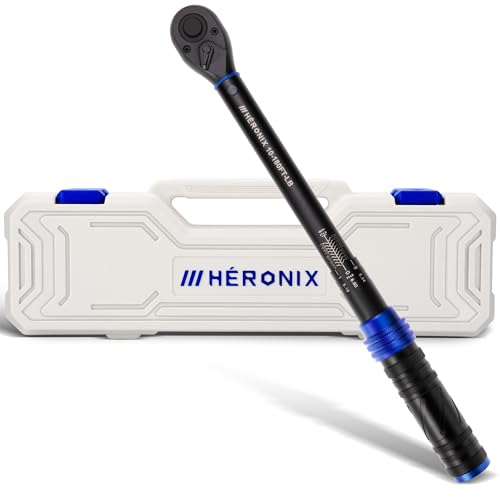 HERONIX 1/2 Inch Drive Click Torque Wrench, 10–180 Ft.Lb/13.6–244.0 Nm
Click-type wrench for lug nuts and anything with a torque spec. View on Amazon →
HERONIX 1/2 Inch Drive Click Torque Wrench, 10–180 Ft.Lb/13.6–244.0 Nm
Click-type wrench for lug nuts and anything with a torque spec. View on Amazon →
Still need help? Ask an RV Mechanic
Get a personalized answer from a verified RV mechanic. Describe your specific issue and get step-by-step help for your rig.
Related Repair Guides
- Ford E450 V10 Reliability: Expected Mileage and Longevity Guide for RV Owners
- Newmar Motorhome Rough Ride Fix: Suspension & Air Pressure
- Ford V10 Triton Engine Maintenance Guide: EGR Delete vs Regular Service Tips
- Ford V10 Turbo Kit for Motorhomes: Cost, Risks & Better Alternatives
- Ford E450 Inertia Switch Location Guide - Find Your RV's Fuel Cutoff Reset Point
- Onan 5500 Generator Problems: Complete Repair Guide
- Fleetwood Excursion Tire Upgrade Guide: 255 to 275 Width Conversion
- Ford E-350 vs E-450 RV Chassis: Fuel, Power & Weight
- Ford F53 7.5L RV Won't Start: Fuel Pump Relay Voltage Drop Fix
- Generac 7.5kW Diesel Generator Repair Guide - RV Troubleshooting
Need More Help?
Try our free RV calculators and tools to help diagnose and plan your repairs.
Browse RV ToolsWeight calculator, electrical planner, propane estimator & more
