Sumo Springs Knockoffs vs Genuine: Complete RV Suspension Comparison 2
Read full question
Quick Answer
Knockoff Sumo Springs can work for light-duty RV applications but genuine Sumo Springs offer superior materials, warranty, and safety. Consider your RV's weight, usage patterns, and budget when choosing between options.
The Rundown
Based on your current setup with Koni shocks, new front tires, and a Safe-T-Plus steering stabilizer, those Amazon Sumo Springs knockoffs you're looking at will likely provide some suspension enhancement, but they come with significant trade-offs compared to the genuine SumoSprings. The knockoffs typically use lower-grade urethane compounds that won't maintain their spring rate consistency over time, especially under the constant loading and temperature cycles your RV experiences. While the genuine SumoSprings use a proprietary microcellular urethane that's been specifically engineered for heavy-duty applications and maintains its properties across temperature extremes, these Amazon alternatives often use standard polyurethane that can become brittle in cold weather and soft in extreme heat.
The price difference you're seeing isn't just about brand markup - it reflects fundamental differences in materials, engineering, and quality control. Genuine SumoSprings undergo extensive testing for load capacity, fatigue resistance, and temperature stability, while many knockoffs skip these validation steps to keep costs down. Given that you've already invested in quality components like Koni shocks, adding inferior springs could actually undermine the performance improvements you've achieved. The knockoffs might work initially, but you're likely to see degraded performance, uneven wear patterns, and potential failure points that could affect your RV's handling and safety.
Since you've already upgraded to Koni shocks, which are premium components known for their consistent damping characteristics, pairing them with quality springs becomes even more critical. The Koni shocks are designed to work with springs that maintain consistent rates throughout their operating range. Cheap knockoff springs with inconsistent spring rates can cause the shocks to work harder than designed, potentially leading to premature shock failure and compromised ride quality. Your Safe-T-Plus system will also perform better with consistent, predictable suspension geometry that quality springs help maintain.
Why It Happens
The proliferation of Sumo Springs knockoffs on Amazon and other platforms stems from the success of the original product and the relatively straightforward appearance of the design. Many overseas manufacturers see the simple-looking urethane spring design and assume they can replicate it using standard materials and manufacturing processes. However, what appears simple on the surface involves complex polymer chemistry, precise manufacturing tolerances, and extensive testing that knockoff manufacturers typically skip to achieve lower price points.
The genuine SumoSprings were developed through years of research into microcellular urethane technology, originally used in industrial applications where consistent performance under extreme conditions was critical. The specific compound used in authentic SumoSprings maintains its spring characteristics across extreme temperature ranges (see manufacturer specifications for exact operating temperatures), while most knockoffs begin losing their effectiveness outside of normal ambient temperature ranges. This becomes particularly important for RV applications where the suspension components are exposed to road heat, engine heat, and varying weather conditions during extended travel.
Manufacturing quality control represents another significant difference between genuine and knockoff products. Authentic SumoSprings undergo individual testing for load capacity, compression characteristics, and dimensional accuracy. Each spring must meet strict specifications for spring rate tolerance (see manufacturer specifications for exact tolerances). Knockoff manufacturers often use batch testing or skip individual component testing entirely, leading to wide variations in performance between individual springs. This inconsistency can cause your RV to handle unpredictably, with one side of the vehicle having different spring characteristics than the other.
The business model of knockoff manufacturers also creates inherent quality issues. These companies typically produce multiple "versions" of popular products, often changing suppliers and materials based on current pricing rather than performance requirements. This means the knockoff springs you purchase today might have different characteristics than identical-looking springs from the same seller purchased six months later. Genuine SumoSprings maintain consistent specifications across production runs because the company controls its supply chain and maintains strict material specifications.
Gather These Items
If you decide to proceed with upgrading your front suspension springs, whether genuine or knockoff, you'll need several tools and materials to ensure proper installation and evaluation. For the installation itself, you'll need a comprehensive hydraulic jack set capable of safely lifting your RV's front end, along with heavy-duty jack stands rated for your RV's front axle weight. Don't rely on the standard automotive jacks that work for cars - RV installations require substantial lifting capacity and stability.
Essential tools include a complete socket set with both metric and standard sizes, as RV manufacturers use various fastener types depending on the chassis. You'll need quality penetrating oil like PB Blaster or Liquid Wrench, as front suspension components often have corrosion buildup that makes removal challenging. A good torque wrench capable of handling the high torque specifications required for suspension components is mandatory - these fasteners require specific torque values that vary by chassis manufacturer (consult your chassis manual for exact specifications).
For evaluation and comparison purposes, gather measuring tools including a quality measuring tape and angle finder to document your current suspension geometry before installation. Take photos of your existing setup from multiple angles, noting the relationship between suspension components, brake lines, and steering linkages. If you're comparing knockoff options, consider purchasing load testing equipment or at least a compression gauge to evaluate the consistency of spring rates across multiple units.
Safety equipment deserves special emphasis for this type of work. Heavy-duty work gloves, safety glasses, and steel-toed boots are essential when working under a loaded RV. Consider purchasing or renting proper wheel chocks and stabilizing equipment beyond what you'd use for routine maintenance. The forces involved in suspension work can cause unexpected vehicle movement if not properly secured.
The Fix
Before installing any suspension springs, conduct a thorough evaluation of your current setup to establish baseline performance metrics. With your existing Koni shocks and Safe-T-Plus system, measure the current ride height at multiple points along the front axle, noting any side-to-side variations that might indicate existing suspension issues. Document the current spring rate characteristics by measuring suspension compression under various load conditions - this will help you evaluate whether the new springs provide meaningful improvement.
The installation process for aftermarket springs typically involves supporting the front axle weight while removing existing components. Begin by positioning your RV on level ground, engaging the parking brake, and placing wheel chocks behind the rear wheels. The front suspension must be completely unloaded before attempting to remove existing springs, which usually means lifting the chassis while allowing the axle to hang freely. This process requires careful coordination of multiple lifting points to maintain proper weight distribution and avoid binding in the suspension components.
When comparing genuine SumoSprings to knockoffs, examine the consistency of the urethane material and overall build quality. to knockoffs during installation, pay attention to several critical factors that indicate quality differences between the products. Genuine springs have consistent color throughout the urethane material, while knockoffs often show color variations or streaking that indicates inconsistent mixing of the urethane compounds. The surface finish on quality springs is uniform and smooth, whereas knockoffs frequently have rough spots, air bubbles, or irregular surfaces that can create stress concentration points leading to premature failure.
Dimensional accuracy provides another telling comparison point. Measure the knockoff springs against the specifications for genuine SumoSprings - you'll often find variations in critical dimensions like mounting hole locations, overall height, and spring diameter. These dimensional differences can affect how the springs interact with your existing suspension geometry, potentially creating binding, uneven loading, or interference with other components. The mounting hardware included with knockoffs often uses lower-grade fasteners that may not meet the strength requirements for your specific application.
During installation, monitor how each spring compresses under identical loading conditions. Quality springs will show consistent compression characteristics, while knockoffs often display erratic behavior with sudden rate changes or inconsistent resistance. This becomes particularly apparent when installing multiple springs - genuine products will compress identically under the same load, while knockoffs may show significant variations that can affect vehicle handling and stability.
Post-installation evaluation requires systematic testing under various loading and driving conditions. Start with static tests, loading your RV to typical travel weight and measuring suspension performance at different load points. Quality springs maintain consistent geometry under load, while inferior products may show excessive compression, lateral movement, or uneven load distribution. Road testing should begin with low-speed parking lot maneuvers to evaluate steering response and stability before progressing to highway speeds.
Know Your Limits
Working with RV suspension components involves significant safety risks that extend beyond typical automotive repair work. The combination of heavy vehicle weight, high-pressure components, and potential energy stored in compressed springs creates hazardous conditions that require professional-level safety precautions. If you're not completely comfortable with heavy lifting equipment, hydraulic systems, and suspension geometry principles, this work should be left to qualified RV service technicians who have the proper equipment and experience.
Recognize that suspension modifications can affect your RV's warranty, insurance coverage, and potentially its legal roadworthiness depending on your location. Installing non-OEM suspension components may void chassis warranties and could create liability issues if component failure contributes to an accident. Before proceeding with any suspension modifications, verify the implications with your insurance provider and review any applicable warranty terms. Some states have specific requirements for suspension modifications on commercial or recreational vehicles that could affect registration or inspection requirements.
The financial risk of using knockoff components extends beyond the initial purchase price. Component failure during travel can result in expensive emergency repairs, potentially in remote locations where genuine replacement parts aren't readily available. Consider that the cost difference between genuine SumoSprings and knockoffs often amounts to a few hundred dollars, but the cost of addressing failures, towing, emergency repairs, and lost travel time can easily exceed several thousand dollars. Given your investment in quality Koni shocks and other premium components, the incremental cost of genuine springs represents sound financial protection for your overall system investment.
Understanding the technical limitations of your specific RV setup helps determine whether suspension upgrades will provide meaningful benefits. With your current Koni shocks and Safe-T-Plus system, you've already addressed two major factors affecting ride quality and handling. Additional suspension modifications should target specific remaining issues rather than generic "improvements" that may not provide noticeable benefits. Consider having your RV evaluated by a qualified suspension specialist who can identify specific areas where improvements would be most beneficial and recommend appropriate solutions that work cohesively with your existing upgrades.
Tools & Supplies You'll Need
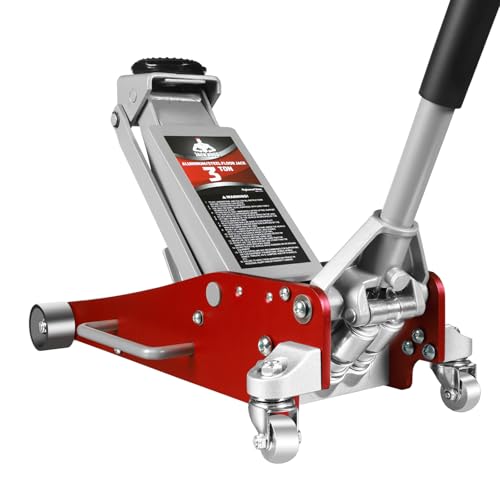 Jack Boss 3 Ton Low Profile, Aluminum and Steel Racing Floor Jack with Dual
Lifts the chassis for tire and suspension work. View on Amazon →
Jack Boss 3 Ton Low Profile, Aluminum and Steel Racing Floor Jack with Dual
Lifts the chassis for tire and suspension work. View on Amazon →
 BIG RED T43202 Torin Heavy Duty Steel Jack Stands: 3 Ton (6,000 lb) Capacity
Hold the rig up safely once it is lifted. View on Amazon →
BIG RED T43202 Torin Heavy Duty Steel Jack Stands: 3 Ton (6,000 lb) Capacity
Hold the rig up safely once it is lifted. View on Amazon →
 CRAFTSMAN 230 Pcs Mechanics Tool Set, Socket Wrench Set, Car Tool Kit with
A broad SAE/metric socket-and-ratchet set covers most RV fasteners. View on Amazon →
CRAFTSMAN 230 Pcs Mechanics Tool Set, Socket Wrench Set, Car Tool Kit with
A broad SAE/metric socket-and-ratchet set covers most RV fasteners. View on Amazon →
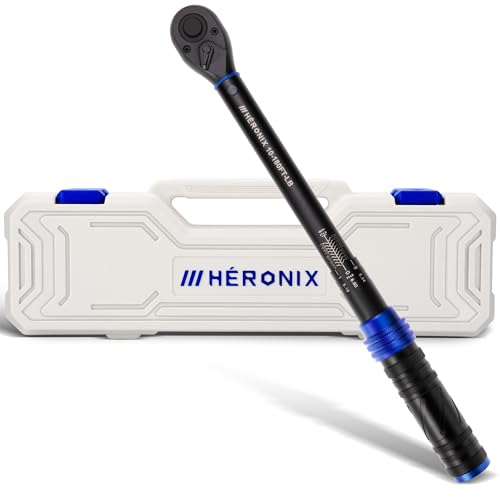 HERONIX 1/2 Inch Drive Click Torque Wrench, 10–180 Ft.Lb/13.6–244.0 Nm
Click-type wrench for lug nuts and anything with a torque spec. View on Amazon →
HERONIX 1/2 Inch Drive Click Torque Wrench, 10–180 Ft.Lb/13.6–244.0 Nm
Click-type wrench for lug nuts and anything with a torque spec. View on Amazon →
Still need help? Ask an RV Mechanic
Get a personalized answer from a verified RV mechanic. Describe your specific issue and get step-by-step help for your rig.
Related Repair Guides
- Ford E450 V10 Reliability: Expected Mileage and Longevity Guide for RV Owners
- Newmar Motorhome Rough Ride Fix: Suspension & Air Pressure
- Ford V10 Triton Engine Maintenance Guide: EGR Delete vs Regular Service Tips
- Ford V10 Turbo Kit for Motorhomes: Cost, Risks & Better Alternatives
- Ford E450 Inertia Switch Location Guide - Find Your RV's Fuel Cutoff Reset Point
- Onan 5500 Generator Problems: Complete Repair Guide
- Fleetwood Excursion Tire Upgrade Guide: 255 to 275 Width Conversion
- Ford E-350 vs E-450 RV Chassis: Fuel, Power & Weight
- Ford F53 7.5L RV Won't Start: Fuel Pump Relay Voltage Drop Fix
- Generac 7.5kW Diesel Generator Repair Guide - RV Troubleshooting
Need More Help?
Try our free RV calculators and tools to help diagnose and plan your repairs.
Browse RV ToolsWeight calculator, electrical planner, propane estimator & more
