Sailun TerraMax HLT-C Tire Review: Are They Right for Your Class C Motorhome?
Read full question
I know load ratings are important, but I'm honestly not entirely sure how to figure out if these tires would work safely on my rig. Should I be looking at my door placard or getting the actual weight measured? Any guidance would be really helpful since I don't want to make a costly mistake with something as important as tires.
Quick Answer
Sailun TerraMax HLT-C tires can work on Class C motorhomes if load ratings match your requirements. Verify your door placard specifications and consider actual corner weights before purchasing.
The Rundown
The Sailun TerraMax HLT-C 225/75R16C Load Range E tires can work on a motorhome, but they're specifically designed as commercial light truck tires rather than dedicated RV tires. While Sailun's ST trailer tires have earned solid reviews in the RV community, these HLT-C tires are built for delivery trucks, service vehicles, and commercial applications. You're right that finding RV-specific reviews is tough because most motorhome owners stick with dedicated RV tires like the Sailun S637 or Michelin XPS RIB for better sidewall construction and heat dissipation designed for sustained highway speeds.
The main concern with using these commercial truck tires on your motorhome is that they're optimized for stop-and-go urban driving and heavy loads rather than the sustained highway speeds and unique weight distribution of RVs. The sidewall construction and heat management aren't specifically engineered for the demands of motorhome travel, which could lead to premature wear or potential failure during long highway stretches.
Why It Happens
The confusion around tire selection happens because the load ratings and size specifications can make commercial truck tires appear suitable for motorhomes. The 225/75R16C size with Load Range E (10 ply rating equivalent) provides excellent load capacity (see manufacturer load tables for specific capacity ratings), which seems perfect for heavier motorhomes. However, RV tires face different stresses than commercial truck tires.
Motorhomes spend most of their time at sustained highway speeds (60-70+ mph) for hours at a time, generating significant heat buildup in the tire. Commercial truck tires like the HLT-C are designed more for urban delivery routes with frequent stops and starts, lower average speeds, and different heat cycles. Additionally, motorhomes often sit parked for extended periods, requiring tires with better UV resistance and sidewall integrity for static loading.
The weight distribution in a motorhome is also unique - you've got living quarters, fresh water tanks, and gear that create different stress patterns compared to a delivery truck's cargo bay. This is why manufacturers like Sailun, Michelin, and Goodyear specifically engineer RV tire lines with reinforced sidewalls and compounds designed for these specific applications.
Gather These Items
Before making any tire decision, you'll need to collect some critical information about your specific motorhome setup. First, grab your motorhome's weight certificates or head to a truck scale to get actual axle weights (or use individual wheel scales for corner weights) - not just the GVWR stickers. You need to know exactly how much weight each tire position is carrying when loaded for travel.
Research your motorhome's speed rating requirements and check your owner's manual for tire specifications. Verify that any tire you select meets or exceeds the required speed rating (typically S or T rating for motorhomes) and temperature rating (A, B, or C) for sustained highway operation. Many motorhome manufacturers specify particular tire constructions or ratings for warranty coverage. Also gather information on your typical travel patterns - do you mostly do short weekend trips or long cross-country hauls? This affects which tire characteristics matter most.
Get quotes on both the Sailun HLT-C tires you're considering and comparable RV-specific options like the Sailun S637, Michelin XPS RIB, or Goodyear G614 RST in your size. Include mounting, balancing, and disposal fees in your comparison. Also check local tire shops' experience with RV tire installations and their warranty policies for different tire types.
The Fix
If you're set on trying the Sailun HLT-C tires, implement strict monitoring protocols to ensure safe operation. Install a tire pressure monitoring system (TPMS) that tracks both pressure and temperature in real-time. These commercial truck tires may run hotter than RV-specific tires at highway speeds, so temperature monitoring becomes critical for early warning of potential problems.
Maintain proper air pressures based on your actual load - consult the tire manufacturer's load/pressure tables to determine correct pressure for your specific weight requirements. Inspect them more frequently than typical RV tires, looking for unusual wear patterns, sidewall cracking, or heat damage after long driving days. Keep detailed records of mileage, temperatures, and any issues to track performance over time.
However, the better fix is likely switching to proven RV-specific tires. The Sailun S637 RV tire in a comparable size offers similar load capacity but with sidewall construction and rubber compounds specifically engineered for RV applications. While slightly more expensive initially, RV tires typically last longer in motorhome service and provide better safety margins for highway travel. The peace of mind during long trips often justifies the extra cost.
Consider this a learning opportunity to understand your actual tire needs better. Calculate your real load requirements, typical travel speeds, and driving patterns, then select tires engineered for those specific demands rather than trying to adapt commercial truck tires to RV service.
Know Your Limits
Using commercial truck tires on your motorhome pushes into territory where you're exceeding the manufacturer's intended application. While the load ratings might work on paper, you're operating outside the tire's designed service parameters. If you experience a tire failure during travel, ensure any tire you use meets your motorhome manufacturer's specifications for load rating, speed rating, and size requirements.
Your mechanical skills won't help much if you experience a high-speed tire failure on the highway - that's a safety issue that requires the right tire for the job from the start. Commercial truck tires aren't necessarily inferior, but they're optimized for different service conditions than what your motorhome demands during typical RV travel.
If budget is driving this decision, consider buying proven RV tires gradually rather than gambling on commercial alternatives. A tire failure during travel costs far more than the initial savings from cheaper tires - between towing, emergency tire service, potential damage to your motorhome, and ruined vacation time. Sometimes the conservative choice is the smart financial choice in the long run.
Tools & Supplies You'll Need
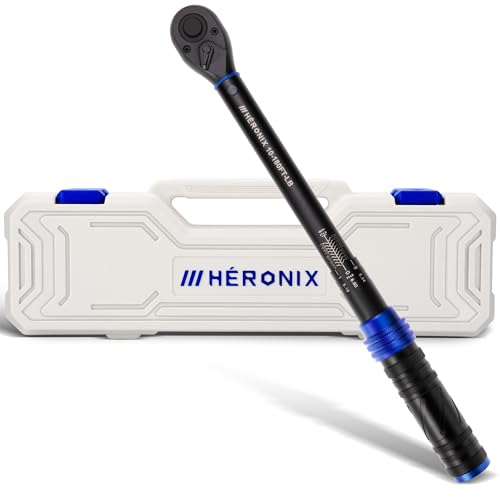 HERONIX 1/2 Inch Drive Click Torque Wrench, 10–180 Ft.Lb/13.6–244.0 Nm
Click-type wrench for lug nuts and anything with a torque spec. View on Amazon →
HERONIX 1/2 Inch Drive Click Torque Wrench, 10–180 Ft.Lb/13.6–244.0 Nm
Click-type wrench for lug nuts and anything with a torque spec. View on Amazon →
 BIG RED T43202 Torin Heavy Duty Steel Jack Stands: 3 Ton (6,000 lb) Capacity
Hold the rig up safely once it is lifted. View on Amazon →
BIG RED T43202 Torin Heavy Duty Steel Jack Stands: 3 Ton (6,000 lb) Capacity
Hold the rig up safely once it is lifted. View on Amazon →
Still need help? Ask an RV Mechanic
Get a personalized answer from a verified RV mechanic. Describe your specific issue and get step-by-step help for your rig.
Related Repair Guides
- Ford E450 V10 Reliability: Expected Mileage and Longevity Guide for RV Owners
- Newmar Motorhome Rough Ride Fix: Suspension & Air Pressure
- Ford V10 Triton Engine Maintenance Guide: EGR Delete vs Regular Service Tips
- Ford V10 Turbo Kit for Motorhomes: Cost, Risks & Better Alternatives
- Ford E450 Inertia Switch Location Guide - Find Your RV's Fuel Cutoff Reset Point
- Onan 5500 Generator Problems: Complete Repair Guide
- Fleetwood Excursion Tire Upgrade Guide: 255 to 275 Width Conversion
- Ford E-350 vs E-450 RV Chassis: Fuel, Power & Weight
- Ford F53 7.5L RV Won't Start: Fuel Pump Relay Voltage Drop Fix
- Generac 7.5kW Diesel Generator Repair Guide - RV Troubleshooting
Need More Help?
Try our free RV calculators and tools to help diagnose and plan your repairs.
Browse RV ToolsWeight calculator, electrical planner, propane estimator & more
