RV Sewer Hose Won't Connect? Fix Tight Bayonet Fittings Fast
Read full question
I'm pretty sure the bayonet fittings are just oversized - like the ears are too thick or something. Been thinking about filing them down a bit, but wondering if there's a better way to deal with this before I start grinding on my rig. Anyone dealt with stubborn bayonet connectors like this?
Quick Answer
Tight sewer connections from oversized flanges. Apply silicone lubricant, lightly sand the bayonet ears with fine sandpaper, or switch to slip-fit style connectors for easier use.
Quick Take
Your diagnosis about the drain connection knobs being oversized is likely correct, and filing them down is actually a good solution. The knobs on your RV's drain outlets appear to be manufactured slightly too thick, creating excessive interference with the sewer hose bayonet connection fingers. This forces you to use a strap wrench, which shouldn't be necessary. Filing or sanding the back side of the knobs (the flat surface that contacts the hose connection) by about 0.010" to 0.015" will reduce the interference fit and make connections much easier while maintaining a proper seal.
Common Causes
Manufacturing tolerances are the most common culprit for overly tight drain connections. The plastic drain outlets are molded with knobs that can vary by several thousandths of an inch, and when they're on the high end of the tolerance range, they create excessive interference. This is especially common with newer RVs where the plastic hasn't had time to wear in naturally.
Heat expansion can also worsen the problem. When your RV sits in hot weather, the plastic drain outlets expand slightly, making already tight connections even tighter. Some RV manufacturers also use slightly different specifications for their drain outlets compared to standard aftermarket sewer hose fittings.
Over time, repeated forcing of connections can actually deform the plastic slightly, creating burrs or raised areas that make future connections even more difficult. The good news is that your two-drain setup means you can work on one connection at a time while still having functionality.
Preparation
Gather your tools: a fine-cut metal file suitable for plastic, fine sandpaper (220-320 grit), and a small flashlight or headlamp. You'll also need your sewer hose for test-fitting as you work. Clean both drain connections thoroughly with soapy water to remove any debris or residue that might be contributing to the tight fit.
Apply some RV-safe lubricant like silicone spray to the hose connection fingers - this will help you determine if lubrication alone solves the problem before you start filing. Test the connection with lubricant first on both drains to establish your baseline.
Mark the knobs with a pencil where you plan to file - focus on the flat back surface of each knob rather than the rounded edges. Take a "before" photo so you can reference the original shape if needed. Work in a well-ventilated area since filing plastic can create fine dust.
Repair Steps
Start with the rear drain connection first, as it's typically used less frequently if something goes wrong. Begin by lightly filing the flat back surface of each knob (where it contacts the hose connection fingers) with smooth, even strokes. Remove only about 0.010" to 0.015" of material initially - that's roughly the thickness of two sheets of paper.
Test-fit your sewer hose connection after every few strokes of the file. The connection should engage with firm hand pressure but not require tools. You want some resistance to ensure a good seal, but it shouldn't require a strap wrench. If you remove too much material, the connection may become loose and leak.
Once you achieve the right fit on the rear connection, repeat the process on the front drain. File conservatively - you can always remove more material, but you can't put it back. After filing, smooth the surfaces with fine sandpaper to remove any burrs or rough spots that could damage your hose connections.
Clean all plastic shavings from the connections and test both drains with actual wastewater flow to ensure proper sealing. The connections should be snug enough to prevent leaks but loose enough to disconnect by hand with reasonable effort.
When to Get Help
Contact a qualified RV service center if you accidentally file too much material and create loose, leaking connections. They can install replacement drain outlets, which typically cost $25-40 per outlet plus labor. The replacement process involves accessing the connections from inside storage compartments and may require removing interior panels.
Seek professional help if you discover the drain outlets are cracked or if the threading for the caps is damaged. These issues require complete replacement rather than modification. Also consult a professional if your RV is still under warranty, as modifying the drain connections might void coverage for related components.
If filing doesn't solve the problem and connections remain difficult, the issue might be with your specific sewer hose brand or model rather than the RV connections. A service technician can help identify compatible hose fittings that work better with your particular drain outlet configuration.
Tools & Supplies You'll Need
 WD-40 Specialist Silicone Lubricant with SMART STRAW SPRAYS 2 WAYS, 11 OZ
Dry-ish lube for slides, seals, and zippers. View on Amazon →
WD-40 Specialist Silicone Lubricant with SMART STRAW SPRAYS 2 WAYS, 11 OZ
Dry-ish lube for slides, seals, and zippers. View on Amazon →
 24 Pcs Sanding Sponge 80-3000 Grit Sandpaper Assortment, Washable & Reusable
Grit range for prep before sealing and painting. View on Amazon →
24 Pcs Sanding Sponge 80-3000 Grit Sandpaper Assortment, Washable & Reusable
Grit range for prep before sealing and painting. View on Amazon →
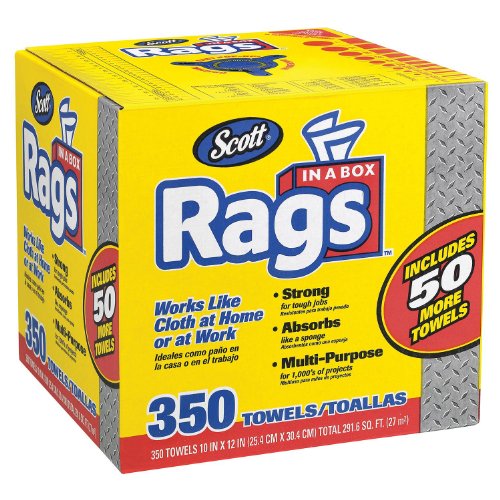 Scott Shop Rags In A Box (350ct.)
Lint-light rags for cleanup and prep. View on Amazon →
Scott Shop Rags In A Box (350ct.)
Lint-light rags for cleanup and prep. View on Amazon →
Still need help? Ask an RV Mechanic
Get a personalized answer from a verified RV mechanic. Describe your specific issue and get step-by-step help for your rig.
Related Repair Guides
- RV Water Pump Losing Prime: Troubleshooting & Winterization
- Monaco Diplomat Rear Air Suspension Won't Dump Fully - Troubleshooting Guide
- Fix RV Low Water Pressure on City Connection: Troubleshooting Pump Assembly
- Dometic 310 Toilet Leaking at Foot Pedal: Complete Fix Guide
- Camco Rhino Sewer Hose Adapter Pro: Complete Review & Installation Guide for RV Owners
- RV Grey Water Tank Clogged? 7 Proven Solutions to Clear Blockages Fast
- RV Tank Sensor Removal Guide: Gray & Black Water Tank Sensors (Step-by-Step Process)
- RV Winterization: Complete Step-by-Step Guide
- How to Fix RV Fresh Water Tank Leaks: Complete Diagnosis & Repair Guide
- RV Black Tank Not Holding Full Capacity: 7 Common Causes and DIY Repair Solutions
Need More Help?
Try our free RV calculators and tools to help diagnose and plan your repairs.
Browse RV ToolsWeight calculator, electrical planner, propane estimator & more
