RV Coolant System Maintenance: Spring Clamps vs Worm Gear Clamps Explained
Read full question
Quick Answer
Spring clamps can be reused if in good condition. Worm gear clamps are easier for future service but must be quality stainless all-band type. At 138K miles, hose replacement is wise - check all hoses for softness or swelling.
The Rundown
For your 2013 Tiffin on the Ford F-53 chassis with 138,000 miles, I'd recommend replacing those squeeze clamps with quality worm gear clamps during your coolant flush and hose replacement. While the squeeze clamps may look good now, they're designed for one-time use and can lose their spring tension after being compressed. Since you're already doing the work at this mileage, spending the extra $20-30 on new worm gear clamps will give you better long-term reliability and easier maintenance access in the future.
The Ford F-53 chassis cooling system operates at higher pressures than many automotive applications, and with your coach's weight and the stress of towing, you want the most secure connections possible. Worm gear clamps provide consistent, adjustable pressure and can be easily tightened if needed during future maintenance.
Why It Happens
Squeeze clamps (also called spring clamps or constant tension clamps) are designed for factory installation where they're compressed once and left alone. Over time and heat cycles, the metal fatigues and the spring tension decreases. When you remove them during hose replacement, you're breaking that factory seal and the clamp may not provide the same clamping force when reinstalled.
The Ford F-53 chassis cooling system runs at approximately 13-16 PSI when hot, and the constant expansion and contraction of hoses puts stress on the clamp connection points. Additionally, your Tiffin's engine bay experiences significant heat cycling from both the engine and generator operation, which accelerates the fatigue process in squeeze clamps.
Worm gear clamps eliminate these concerns because they maintain consistent pressure through mechanical advantage rather than spring tension. They're also serviceable - if you notice a small leak later, you can simply tighten the clamp rather than replacing it.
Gather These Items
For your coolant flush and hose replacement project, you'll need several gallons of coolant and the right tools for the job. Get 2-3 gallons of Motorcraft Gold or equivalent low-silicate OAT coolant (Ford specification WSS-M97B44-D2) mixed 50/50 with distilled water. Your F-53 chassis has a cooling system capacity of approximately 24-28 quarts total (varies by engine - consult owner's manual for exact capacity).
For the clamps, purchase quality stainless steel worm gear clamps in sizes ranging from 1-1/4" to 2-1/2" to cover all the hoses on your system. You'll typically need 8-12 clamps total. Gates, Ideal, or Breeze brand clamps work well. Also get a coolant flush kit with the T-fitting for your garden hose connection - this makes the job much cleaner and more thorough.
Essential tools include a drain pan (at least 5-gallon capacity), socket set, screwdrivers, hose removal pliers, funnel, and safety glasses. Consider getting a coolant hydrometer to verify your mixture ratio. Don't forget shop rags and disposable gloves, as coolant is toxic and slippery.
The Fix
Start with a completely cool engine that has been sitting for several hours - you want it completely cool and safe to work on. Remove the radiator cap only when the system is completely cool. Locate the radiator drain petcock on the driver's side bottom of the radiator and position your drain pan underneath.
Open the drain petcock and remove the radiator cap to allow proper drainage. While the system drains, remove the lower radiator hose at the radiator end to ensure complete drainage. Your F-53 may have additional drain plugs on the engine block - check both sides of the block near the freeze plugs and drain those as well if present.
Once drained, install your flush kit T-fitting in the heater hose circuit (typically the upper heater hose) and connect your garden hose. Close all drains, fill the system with water, and run the engine at idle with the heater on high for 10-15 minutes. Drain completely again, then repeat this process until the water runs clear.
Now replace all the hoses, using your new worm gear clamps positioned about 1/2" from the hose ends. Tighten the clamps to approximately 15-20 inch-pounds - snug but not over-tight as you can damage the hose. Fill the system with your 50/50 coolant mixture, leaving the radiator cap off initially. Start the engine and let it warm up while monitoring the coolant level, adding as needed as air bubbles work out. Once at operating temperature, install the cap and road test, checking for leaks.
Know Your Limits
This is definitely a DIY-friendly project for most RV owners, but there are some considerations specific to your Tiffin coach. The job typically takes 4-6 hours including flush time and will cost around $100-150 in materials if you do it yourself versus $400-600 at a shop. However, access can be challenging on some F-53 chassis depending on your specific floorplan and slideout configuration.
Be aware that your coach may have additional cooling circuits for hydraulic systems or Aqua-Hot units that aren't part of the main engine cooling system. Don't attempt to service these unless you're familiar with their operation. Also, if you discover any hoses that are oil-soaked or show signs of contact with hot exhaust components, that indicates a more serious problem that needs professional diagnosis.
The biggest risk is introducing air into the system, which can cause overheating. If you're not comfortable with the bleeding process or if the engine runs hot after your service, stop immediately and consult a professional. Overheating damage on these chassis can be extremely expensive to repair.
Tools & Supplies You'll Need
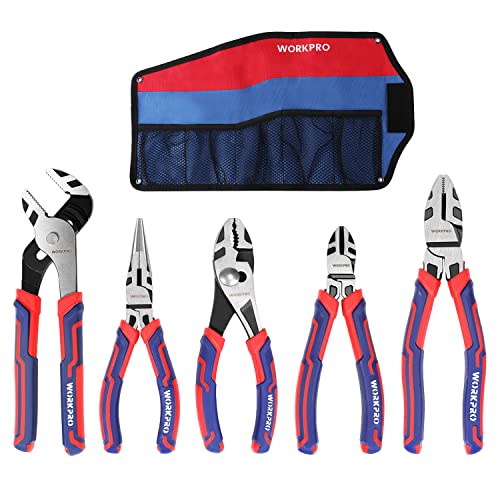 WORKPRO Pliers Set, Premium Cr-V Construction, Includes 6 Inch Slip Joint
Slip-joint, cutting, and groove-joint pliers in one set. View on Amazon →
WORKPRO Pliers Set, Premium Cr-V Construction, Includes 6 Inch Slip Joint
Slip-joint, cutting, and groove-joint pliers in one set. View on Amazon →
 Performance Tool W4070 Drain Pan, 7 Quart Capacity
Catches oil, coolant, and tank drips. View on Amazon →
Performance Tool W4070 Drain Pan, 7 Quart Capacity
Catches oil, coolant, and tank drips. View on Amazon →
 DREXON Hose Clamp Assortment 200PCS Hose Clamp 304 Stainless Steel Kit
Stainless clamps for water and drain hoses. View on Amazon →
DREXON Hose Clamp Assortment 200PCS Hose Clamp 304 Stainless Steel Kit
Stainless clamps for water and drain hoses. View on Amazon →
Still need help? Ask an RV Mechanic
Get a personalized answer from a verified RV mechanic. Describe your specific issue and get step-by-step help for your rig.
Related Repair Guides
- Ford E450 V10 Reliability: Expected Mileage and Longevity Guide for RV Owners
- Newmar Motorhome Rough Ride Fix: Suspension & Air Pressure
- Ford V10 Triton Engine Maintenance Guide: EGR Delete vs Regular Service Tips
- Ford V10 Turbo Kit for Motorhomes: Cost, Risks & Better Alternatives
- Ford E450 Inertia Switch Location Guide - Find Your RV's Fuel Cutoff Reset Point
- Onan 5500 Generator Problems: Complete Repair Guide
- Fleetwood Excursion Tire Upgrade Guide: 255 to 275 Width Conversion
- Ford E-350 vs E-450 RV Chassis: Fuel, Power & Weight
- Ford F53 7.5L RV Won't Start: Fuel Pump Relay Voltage Drop Fix
- Generac 7.5kW Diesel Generator Repair Guide - RV Troubleshooting
Need More Help?
Try our free RV calculators and tools to help diagnose and plan your repairs.
Browse RV ToolsWeight calculator, electrical planner, propane estimator & more
