Ford V10 Oil Pan Gasket Replacement Guide: Can You Reuse It?
Read full question
Is the engine oil pan gasket the same deal? Can I get away with reusing it or am I gonna need to pick up a new one? And if I do need a replacement, any recommendations on brands or installation tips? Don't want to create a mess under there!
Quick Answer
Ford V10 2-valve engine oil pan gasket is not reusable - must replace. Unlike 4R100 trans pan rubber gasket which can be reused. Use Fel-Pro or Motorcraft replacement with RTV only at corners. (rough ballpark — actual cost varies by region, brand, and model year, and changes over time, so get current quotes)
Short Answer
No, the Ford 2-valve V10 engine oil pan does not use a reusable gasket like your 4R100 transmission does. The V10 engine oil pan uses a traditional cork-rubber composite gasket or RTV silicone sealant depending on the year, and these should be replaced every time you remove the oil pan. Unlike the molded rubber gasket in your 4R100 transmission that's designed for multiple uses, the engine oil pan gasket will compress, distort, and potentially tear during removal, making reuse unreliable and likely to cause leaks. You're absolutely right to distinguish between these two different sealing systems - the transmission engineers designed that gasket for serviceability, while the engine oil pan uses a more conventional single-use sealing approach.
Understanding the Problem
The difference between your 4R100 transmission gasket and the V10 engine oil pan gasket comes down to design philosophy and operating conditions. Ford engineered the 4R100 transmission with a thick, molded rubber gasket that maintains its shape and sealing properties through multiple removal and installation cycles. This makes sense because transmission service intervals are longer, and when you do service the transmission, you want to be able to reuse quality components.
The V10 engine oil pan operates in a much harsher environment. It's constantly exposed to hot oil, temperature cycling from cold starts to operating temperature, road debris, and vibration. The oil pan gasket needs to seal against a large, flat surface area while dealing with thermal expansion and contraction of both the aluminum oil pan and the cast iron engine block. These different expansion rates create stress on the gasket material.
Early Ford V10 engines used a traditional cork-rubber composite gasket, similar to what you'd find on older pushrod engines. These gaskets work well initially but become brittle over time and will crack or crumble when you try to remove them. Later V10 engines moved to using RTV silicone sealant applied directly to the oil pan rail, eliminating the separate gasket entirely. Both approaches are designed as single-use sealing methods.
The large surface area of the V10 oil pan also works against gasket reusability. Unlike a small component like a thermostat housing where you might get away with reusing a gasket in an emergency, the oil pan has dozens of bolts around its perimeter. Each bolt creates a potential leak point, and any imperfection in the gasket material will eventually allow oil to seep through. Given that your RV likely holds 6-7 quarts of expensive motor oil, the cost of a new gasket is insignificant compared to the mess and expense of dealing with an oil leak on the road.
What You'll Need
For a proper V10 oil pan gasket replacement, you'll need different materials depending on your engine's year and original configuration. If your engine originally came with a cork-rubber composite gasket, you should stick with a quality replacement gasket rather than trying to convert to RTV sealant. The Fel-Pro OS30395R is the standard replacement gasket for most 2-valve V10 applications and typically costs between $25-35 (rough ballpark — actual cost varies by region, brand, and model year, and changes over time, so get current quotes). This gasket features improved materials compared to the original Ford gasket and includes the necessary end seals for the front and rear main bearing caps.
If you're working on a later engine that used RTV from the factory, or if you're converting from the old cork gasket to RTV, you'll need high-quality silicone sealant. Ford recommends their own Motorcraft TA-357 RTV sealant, but Permatex Ultra Black or similar high-temperature RTV sealants work equally well. You'll need one full tube for the oil pan application, and I always recommend having a second tube on hand in case you make a mistake during application.
Beyond the sealing materials, you'll need a complete set of oil pan bolts. While the original bolts can typically be reused if in good condition, replacement bolts are recommended for best results. Ford part number XL3Z-6710-AA (verify the exact part number for your specific model and year with the manufacturer or dealer — generic numbers may not fit) covers the bolt kit for most applications, or you can source equivalent bolts from your local hardware store. You'll need 16-18 bolts total depending on your specific year - make sure they're the correct length and thread pitch. Check your service manual for the correct thread pitch and bolt lengths for your specific year.
Your tool requirements include a complete socket set with extensions to reach all the oil pan bolts, a gasket scraper or plastic putty knife for surface preparation, brake cleaner or acetone for final cleaning, and a torque wrench capable of accurate readings in the 9-13 ft-lb range. You might also need a floor jack and jack stands if you need to raise the RV for better access, though many V10 installations provide reasonable access from underneath without lifting.
How to Fix It
Before you start removing the oil pan, ensure the engine is cool to avoid burn hazards. The oil will drain adequately at ambient temperature. Position your RV on level ground and engage the parking brake. Remove the oil drain plug and let the oil drain completely into a suitable container - you're looking at about 6 quarts of oil, so plan accordingly.
Once the oil is drained, you can begin removing the oil pan bolts. Start from one corner and work systematically around the perimeter, loosening each bolt a few turns before moving to the next. This prevents warping the oil pan. The bolts are not particularly tight - usually around 8-9 ft-lbs when properly torqued - but they may be stuck with thread locker or corrosion. Don't force them; use penetrating oil if necessary.
With all bolts removed, the oil pan should drop away from the engine block. Sometimes the gasket material will stick and require gentle prying with a plastic pry tool. Be very careful not to damage the oil pan mounting surface on the engine block, as any gouges or scratches will create leak paths for the new gasket. Clean both the oil pan and engine block surfaces thoroughly with a gasket scraper, following up with brake cleaner to remove all oil residue.
If you're installing a conventional gasket, apply a thin film of RTV sealant to both the engine block surface and the oil pan mounting flange before positioning the gasket. The gasket should lay flat without wrinkles or folds. Pay special attention to the corners where the front and rear main bearing cap seals meet the oil pan gasket - these areas are prone to leaks and may require a small dab of additional sealant.
For RTV-only installations, apply a continuous bead of sealant about 1/8 inch in diameter around the entire oil pan mounting surface. Work quickly but carefully, as most RTV sealants begin to skin over within 10-15 minutes. Make sure the bead goes to the inside of the bolt holes, not around them. Install the oil pan within the working time of your sealant.
Installation is the reverse of removal, but take care with bolt torque. Start all bolts by hand to prevent cross-threading, then tighten them in a crisscross pattern to the specified torque (typically 9 ft-lbs, but verify with your service manual). This seems very light, but over-tightening will compress the gasket too much and may actually cause leaks. If you're using RTV sealant, let it cure for at least 30 minutes before adding oil.
Leave It to the Experts
While oil pan gasket replacement is within the skill level of most DIY RV owners, there are several scenarios where professional service makes more sense. If your RV is still under warranty, any engine work should definitely go to an authorized service center to avoid voiding coverage. The labor cost for this job typically runs $200-400 depending on your location and the accessibility of the oil pan on your particular chassis.
Consider professional service if you discover additional problems during your inspection. Sometimes oil pan leaks are actually caused by other engine seals, making professional diagnosis worthwhile. coming from higher up in the engine, such as the rear main seal or other components, requiring more extensive diagnosis and repair. The rear main seal, oil cooler lines, or even the oil filter housing can drip oil that appears to be coming from the pan gasket. A qualified technician can quickly diagnose the actual source of the leak using dye tracing or other diagnostic techniques.
The job also becomes more complex if your engine has additional equipment mounted below the oil pan. Some RV installations have skid plates, auxiliary transmission coolers, or other components that must be removed for oil pan access. Professional shops have the proper lifts and tools to handle these complications efficiently, whereas a DIY approach might require significant additional work or specialized tools.
If you're dealing with a high-mileage engine showing other signs of wear, this might be an opportune time for more comprehensive service. A professional shop can inspect the oil pickup tube, check for engine bearing wear, and assess whether other seals or gaskets need attention. They can also properly dispose of the used oil and filter materials according to environmental regulations.
Finally, if you're not comfortable working under a heavy RV or don't have proper jack stands and lifting equipment, professional service is the safer choice. The consequences of an RV falling off improper supports are severe, and professional shops have hydraulic lifts specifically designed for heavy vehicles. The peace of mind and safety factor often justifies the additional cost, especially when you consider that a botched DIY repair will ultimately cost more when you have to pay someone else to fix your mistakes.
Tools & Supplies You'll Need
 Performance Tool W4070 Drain Pan, 7 Quart Capacity
Catches oil, coolant, and tank drips. View on Amazon →
Performance Tool W4070 Drain Pan, 7 Quart Capacity
Catches oil, coolant, and tank drips. View on Amazon →
 CRAFTSMAN 230 Pcs Mechanics Tool Set, Socket Wrench Set, Car Tool Kit with
A broad SAE/metric socket-and-ratchet set covers most RV fasteners. View on Amazon →
CRAFTSMAN 230 Pcs Mechanics Tool Set, Socket Wrench Set, Car Tool Kit with
A broad SAE/metric socket-and-ratchet set covers most RV fasteners. View on Amazon →
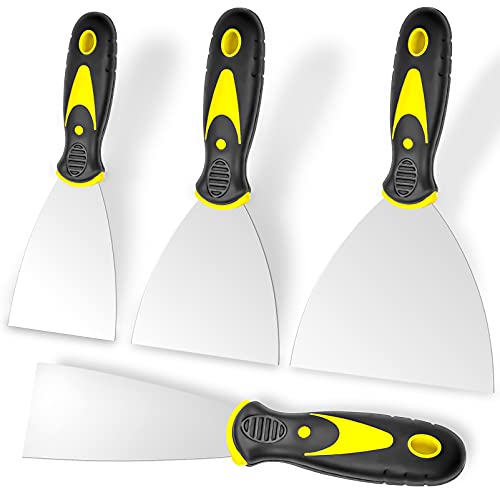 Putty Knife, 4Pcs Spackle Knife Set (2, 3, 4, 5 in), Stainless Steel Paint
Lifts old butyl tape and lap sealant without gouging. View on Amazon →
Putty Knife, 4Pcs Spackle Knife Set (2, 3, 4, 5 in), Stainless Steel Paint
Lifts old butyl tape and lap sealant without gouging. View on Amazon →
 Permatex 82180 Ultra Black Maximum Oil Resistance RTV Silicone Gasket Maker
Forms gaskets and seals on appliances and engine parts. View on Amazon →
Permatex 82180 Ultra Black Maximum Oil Resistance RTV Silicone Gasket Maker
Forms gaskets and seals on appliances and engine parts. View on Amazon →
Still need help? Ask an RV Mechanic
Get a personalized answer from a verified RV mechanic. Describe your specific issue and get step-by-step help for your rig.
Related Repair Guides
- Ford E450 V10 Reliability: Expected Mileage and Longevity Guide for RV Owners
- Newmar Motorhome Rough Ride Fix: Suspension & Air Pressure
- Ford V10 Triton Engine Maintenance Guide: EGR Delete vs Regular Service Tips
- Ford V10 Turbo Kit for Motorhomes: Cost, Risks & Better Alternatives
- Ford E450 Inertia Switch Location Guide - Find Your RV's Fuel Cutoff Reset Point
- Onan 5500 Generator Problems: Complete Repair Guide
- Fleetwood Excursion Tire Upgrade Guide: 255 to 275 Width Conversion
- Ford E-350 vs E-450 RV Chassis: Fuel, Power & Weight
- Ford F53 7.5L RV Won't Start: Fuel Pump Relay Voltage Drop Fix
- Generac 7.5kW Diesel Generator Repair Guide - RV Troubleshooting
Need More Help?
Try our free RV calculators and tools to help diagnose and plan your repairs.
Browse RV ToolsWeight calculator, electrical planner, propane estimator & more
