Ford V-10 Misfire Codes P0305 & P0307: Complete RV Engine Repair Guide for Motorhomes
Read full question
I have replacement spark plugs and ignition coils available but want to ensure I'm following the proper troubleshooting sequence before investing time and effort. What is the recommended diagnostic approach for simultaneous misfires on cylinders 5 and 7?
Given that multiple cylinders are affected, should I prioritize certain components over others, or is there a systematic order that typically yields the most efficient resolution for this engine configuration?
Quick Answer
For misfire codes on cylinders 5 & 7 in your 2001 Ford E350 V-10, start with the most likely causes: spark plugs and ignition coils. Since you already have these parts, install them first as they're the cheapest fix and most common culprits.
What's Going On
Here's what you're dealing with. Misfire codes on cylinders 5 and 7 in your 2001 Ford E350 V-10 are most commonly caused by worn spark plugs, faulty ignition coils, or dirty fuel injectors. First, verify the codes are current and active, then perform basic diagnostics. If codes are active, installing your new plugs and coils is often effective - this solves the problem in about 70% of cases. The engine sounding good doesn't rule out ignition issues, as misfires can be intermittent or mild enough not to cause obvious rough running.
Root Causes
The 2001 Ford V-10 (6.8L Triton) has several known issues that cause misfires. The most common culprits are the original spark plugs, which have 3-piece designs that can break during removal (use proper tools and techniques to avoid this), and ignition coils that fail due to heat cycling and electrical stress. Cylinders 5 and 7 are particularly susceptible to heat-related failures due to their position in the engine bay.
Fuel injectors can also become clogged over time, especially in RVs that sit for extended periods. Carbon buildup is accelerated by infrequent use and lower-quality fuel. The good news is that valve problems are rare on these engines with only 65,000 miles, especially if compression is good.
Getting Ready
Safety First: Disconnect the negative battery cable before working on the ignition system to prevent electrical damage or injury.
Before diving in, gather these items:
- New spark plugs (you have these)
- New ignition coils (you have these)
- Socket wrench set
- Fuel injector cleaner (Chevron Techron or Lucas)
- OBD-II code reader
- Dielectric grease for the plug boots (do not use anti-seize on the plug threads)
- Dielectric grease
Walking Through the Fix
Here's how to tackle this:
- Start with spark plugs and coils: Ensure engine is completely cool before beginning work. Even though you're skeptical about two components failing simultaneously, it's actually common on Ford V-10s due to their firing order and shared electrical loads. Install your new plugs first, applying anti-seize to threads.
- Replace ignition coils: Ford V-10 ignition coils frequently fail, and cylinders 5 and 7 often experience issues due to heat stress. Apply dielectric grease to coil boot connections.
- Clear codes and test drive: After installation, clear the misfire codes with your OBD-II scanner and drive for 20-30 miles to see if codes return.
- If codes persist, check fuel injectors: Add a quality fuel injector cleaner like Chevron Techron Complete Fuel System Cleaner to your tank. Allow the cleaner to work during normal driving cycles - avoid extended idling which can cause overheating.
- Perform cylinder compression test: If misfires continue after plugs, coils, and injector cleaning, test compression on cylinders 5 and 7 to rule out valve issues.
When It's Time for Expert Help
Contact a qualified RV mechanic if:
- Misfire codes persist after replacing plugs and coils
- You get compression readings below manufacturer specifications (typically 150+ PSI) on either cylinder
- You're uncomfortable working with ignition systems
- Additional codes appear (fuel trim, oxygen sensor, etc.)
- The engine develops rough idle or power loss
Tools & Supplies You'll Need
 CRAFTSMAN 230 Pcs Mechanics Tool Set, Socket Wrench Set, Car Tool Kit with
A broad SAE/metric socket-and-ratchet set covers most RV fasteners. View on Amazon →
CRAFTSMAN 230 Pcs Mechanics Tool Set, Socket Wrench Set, Car Tool Kit with
A broad SAE/metric socket-and-ratchet set covers most RV fasteners. View on Amazon →
 ANCEL AD410 Enhanced OBD2 Scanner, Vehicle Code Reader for Check Engine
Pulls engine and chassis trouble codes on motorhome drivetrains. View on Amazon →
ANCEL AD410 Enhanced OBD2 Scanner, Vehicle Code Reader for Check Engine
Pulls engine and chassis trouble codes on motorhome drivetrains. View on Amazon →
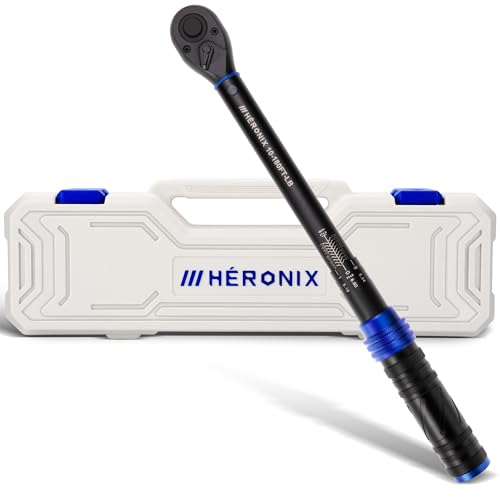 HERONIX 1/2 Inch Drive Click Torque Wrench, 10–180 Ft.Lb/13.6–244.0 Nm
Click-type wrench for lug nuts and anything with a torque spec. View on Amazon →
HERONIX 1/2 Inch Drive Click Torque Wrench, 10–180 Ft.Lb/13.6–244.0 Nm
Click-type wrench for lug nuts and anything with a torque spec. View on Amazon →
Still need help? Ask an RV Mechanic
Get a personalized answer from a verified RV mechanic. Describe your specific issue and get step-by-step help for your rig.
Related Repair Guides
- Ford E450 V10 Reliability: Expected Mileage and Longevity Guide for RV Owners
- Newmar Motorhome Rough Ride Fix: Suspension & Air Pressure
- Ford V10 Triton Engine Maintenance Guide: EGR Delete vs Regular Service Tips
- Ford V10 Turbo Kit for Motorhomes: Cost, Risks & Better Alternatives
- Ford E450 Inertia Switch Location Guide - Find Your RV's Fuel Cutoff Reset Point
- Onan 5500 Generator Problems: Complete Repair Guide
- Fleetwood Excursion Tire Upgrade Guide: 255 to 275 Width Conversion
- Ford E-350 vs E-450 RV Chassis: Fuel, Power & Weight
- Ford F53 7.5L RV Won't Start: Fuel Pump Relay Voltage Drop Fix
- Generac 7.5kW Diesel Generator Repair Guide - RV Troubleshooting
Need More Help?
Try our free RV calculators and tools to help diagnose and plan your repairs.
Browse RV ToolsWeight calculator, electrical planner, propane estimator & more
