Ford V10 Lower Radiator Hose Replacement: Complete RV Repair Guide
Read full question
Specifically, I need to understand the complete procedure from start to finish. What's the proper way to drain the coolant system before starting? Are there any special considerations for hose selection or clamp replacement that I should know about? Most importantly, what's the correct bleeding procedure afterward - I've heard air pockets can be a real problem with the V10 cooling system if not done properly.
I'm planning to tackle this myself in my driveway, so I want to be fully prepared with the right steps and any tips that will help ensure the job goes smoothly without any cooling system issues down the road.
Quick Answer
V10 lower hose replacement straightforward with coolant drain. Use quality hose and new clamps. Bleed air by running with heater on high.
The Quick Answer
To replace the notorious Ford V10 E350 five-segment lower radiator hose assembly, you'll need to follow this procedure. A Gates replacement will provide better durability than the original Ford part, especially if you've addressed the rubbing issues your mechanic identified. This complex "octopus" hose design was Ford's solution to routing coolant around the tight confines of the E350 chassis, but as you've discovered, it creates multiple failure points and clearance problems that the aftermarket has largely solved with improved materials and design refinements.
The rubbing your mechanic observed is unfortunately common on these V10 E350 platforms, particularly on RVs where engine movement under load can cause the hose segments to contact frame components, the oil pan, or steering linkages. Gates and other quality aftermarket manufacturers have typically addressed this by using more robust rubber compounds and sometimes slightly different routing geometry. Your proactive replacement should give you significantly more reliable service, especially if you've also secured any contact points with appropriate cushioning or adjusted the hose positioning during installation.
What's Causing This
Ford's five-segment lower radiator hose design on the V10 E350 was an engineering compromise born from packaging constraints rather than optimal cooling system design. The E350 chassis, especially when used as an RV platform, presents significant challenges for coolant routing due to the tight space between the engine, transmission, frame rails, and steering components. Rather than engineering a single molded hose with complex curves, Ford opted for this multi-segment approach that connects the radiator outlet to the water pump inlet through a series of straight and curved sections joined by metal pipes and clamps.
The fundamental problem with this design is that it multiplies potential failure points exponentially. Where a conventional single lower radiator hose has two connection points and one continuous rubber section, your V10 system has ten clamp connections and five separate rubber segments. Each clamp represents a potential leak point, and each rubber segment can develop its own unique wear patterns, cracking, or deterioration. The metal interconnecting pipes, while durable, create rigid sections that transfer stress and vibration directly to the rubber components rather than allowing the natural flex that a single molded hose would provide.
The rubbing issue your mechanic identified stems from insufficient clearance planning during the original chassis design. RV applications exacerbate this problem because the additional weight and different center of gravity compared to a standard van create more pronounced engine movement under acceleration, braking, and cornering. The power steering system components, particularly on RVs with larger front overhangs, can shift position slightly under load and contact the hose segments. Similarly, the oil pan and transmission case, which normally provide adequate clearance, can come into contact with hose segments during hard acceleration or when climbing steep grades with a heavy RV.
Heat cycling compounds these clearance problems over time. As the cooling system heats up and cools down repeatedly, the rubber segments expand and contract at different rates than the metal components around them. This thermal cycling gradually changes the hose routing geometry, often bringing segments into contact with components that initially had adequate clearance. The original Ford rubber compounds, while meeting basic durability requirements, weren't necessarily optimized for the extended service life that RV owners expect from their cooling systems.
Tools You'll Need
Since you've already completed the hose replacement, this tool list serves as reference for future maintenance or for others tackling this job. The primary tools required include a complete metric and standard socket set, as Ford used a mix of fastener types throughout this cooling system. You'll need sockets ranging from 8mm to 19mm, with extensions and universal joints being particularly helpful for accessing clamps in tight spaces behind the engine.
A quality drain pan with at least eight-quart capacity is essential (note that used coolant must be disposed of properly at an auto parts store or recycling center as it is toxic and harmful to the environment), as the V10 cooling system holds approximately 19.5-20.5 quarts but you'll inevitably spill some during the hose removal process. Multiple smaller drain pans can actually work better than one large one, allowing you to position collection points under different segments as you remove them sequentially. A good set of pliers, including standard needle-nose and locking pliers, will help with stubborn clamps and provide the grip needed to twist and pull hose segments from their fittings.
Specialized cooling system tools that make this job significantly easier include a hose clamp removal tool set, which provides the leverage needed to compress spring-type clamps without damaging them or the hoses. A coolant vacuum filling tool, while not absolutely necessary, can save considerable time and frustration during the refilling and bleeding process. These tools connect to shop air and create vacuum to pull coolant into the system, eliminating much of the air that would otherwise require extended bleeding procedures.
For addressing the rubbing issues you mentioned, you'll want foam pipe insulation, rubber cushioning material, or purpose-made hose protection sleeves. Zip ties in various lengths help secure protective materials and can also be used to slightly adjust hose routing to improve clearances. A good flashlight or headlamp is crucial for inspecting clearances and identifying contact points, as much of this work occurs in shadowed areas under the chassis.
Step-by-Step Fix
Although you've completed your hose replacement, understanding the proper procedure helps ensure long-term success and guides future maintenance. The process begins with proper preparation, including allowing the engine to cool completely (never work on a hot cooling system due to risk of severe burns from pressurized hot coolant) and ensuring the vehicle is on level ground. Removing the engine cover and air intake components provides better access to the upper portions of the hose assembly, though complete removal isn't always necessary depending on your specific RV configuration.
The drainage process requires careful attention to sequence and technique. Rather than simply opening the radiator drain cock and hoping for the best, the most effective approach involves removing hose segments systematically, starting from the lowest points and working upward. This prevents creating vacuum locks that can trap coolant in various system components. Beginning with the lowest segment near the water pump inlet allows gravity to assist drainage while providing immediate access to inspect that critical connection point.
During removal, each hose segment should be carefully inspected not just for obvious cracking or deterioration, but for the more subtle signs of rubbing wear that your mechanic identified. Look for shiny spots on the rubber surface, slight flattening of the hose profile, or areas where the rubber appears compressed or has changed color. These indicators help identify clearance problems that need addressing during installation of the new parts.
The installation of your new Gates hose assembly requires attention to routing and clearance that goes beyond simply connecting the segments in the correct sequence. Each segment should be positioned to maximize clearance from potential contact points, which sometimes means rotating the hose slightly or adjusting its position within the allowable routing path.a segment slightly or adjusting its position within the allowable range of the connection points. The multi-segment design actually provides some advantage here, as individual segments can be optimized for clearance without affecting the overall routing. Complete the installation by torquing all clamps to specification and refilling the system with the proper coolant mixture. The overall coolant flow path.
Clamp positioning and tightening technique significantly impact long-term reliability. Each clamp should be positioned so its adjustment mechanism faces an accessible direction for future maintenance, but more importantly, the clamps must be tightened evenly and to appropriate torque. Over-tightening can cut into the hose material over time, while under-tightening allows leaks and movement that accelerates wear. The goal is firm sealing contact without deformation of the rubber.
The refilling and bleeding process for the V10 cooling system requires patience and attention to detail. The complex routing of the lower hose assembly can create air pockets that prevent complete filling and lead to overheating issues later. Beginning the fill process with the engine cold and the heater controls set to maximum heat ensures all passages are open. Running the engine through several heat cycles while monitoring coolant levels helps identify any remaining air pockets or small leaks that weren't apparent during initial testing.
When to Call a Pro
While you've successfully completed this repair yourself, there are several scenarios where professional assistance becomes valuable or necessary. If the rubbing issues your mechanic identified return despite the new hose installation, this suggests underlying problems with engine mounts, steering components, or chassis alignment that require diagnostic expertise and potentially specialized equipment to resolve properly. These root causes can continue damaging hoses regardless of their quality if left unaddressed.
Persistent cooling system problems following hose replacement often indicate complications beyond the scope of typical DIY maintenance. If you experience continued coolant loss, overheating, or unusual temperature fluctuations after your repair, these symptoms may point to water pump issues, thermostat problems, or internal engine concerns that weren't apparent during the initial diagnosis. Professional shops have pressure testing equipment and diagnostic procedures that can quickly identify these underlying issues before they cause more significant damage.
The complexity of accessing certain hose segments in some RV configurations can also justify professional service, particularly if your specific chassis setup requires removal of steering components, exhaust system parts, or other major assemblies. Professional shops have lifts, specialized tools, and experience with the various RV chassis configurations that can make these challenging access issues much more manageable. They also carry insurance and warranties on their work that provide protection if complications arise during service.
Future maintenance planning represents another area where professional consultation proves valuable. Given the known issues with this hose design, establishing a relationship with a shop familiar with RV cooling systems helps ensure proactive replacement intervals and early identification of developing problems. Many RV service centers now recommend shorter replacement intervals for these multi-segment hoses compared to conventional single-piece hoses, and they can provide guidance on inspection techniques and warning signs specific to your usage patterns and driving conditions.
Tools & Supplies You'll Need
 Performance Tool W4070 Drain Pan, 7 Quart Capacity
Catches oil, coolant, and tank drips. View on Amazon →
Performance Tool W4070 Drain Pan, 7 Quart Capacity
Catches oil, coolant, and tank drips. View on Amazon →
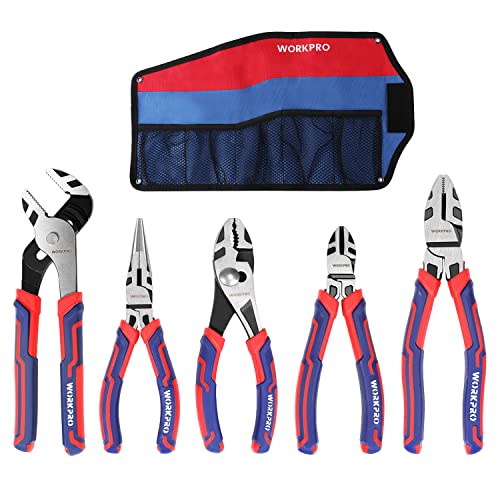 WORKPRO Pliers Set, Premium Cr-V Construction, Includes 6 Inch Slip Joint
Slip-joint, cutting, and groove-joint pliers in one set. View on Amazon →
WORKPRO Pliers Set, Premium Cr-V Construction, Includes 6 Inch Slip Joint
Slip-joint, cutting, and groove-joint pliers in one set. View on Amazon →
 DREXON Hose Clamp Assortment 200PCS Hose Clamp 304 Stainless Steel Kit
Stainless clamps for water and drain hoses. View on Amazon →
DREXON Hose Clamp Assortment 200PCS Hose Clamp 304 Stainless Steel Kit
Stainless clamps for water and drain hoses. View on Amazon →
Still need help? Ask an RV Mechanic
Get a personalized answer from a verified RV mechanic. Describe your specific issue and get step-by-step help for your rig.
Related Repair Guides
- Ford E450 V10 Reliability: Expected Mileage and Longevity Guide for RV Owners
- Newmar Motorhome Rough Ride Fix: Suspension & Air Pressure
- Ford V10 Triton Engine Maintenance Guide: EGR Delete vs Regular Service Tips
- Ford V10 Turbo Kit for Motorhomes: Cost, Risks & Better Alternatives
- Ford E450 Inertia Switch Location Guide - Find Your RV's Fuel Cutoff Reset Point
- Onan 5500 Generator Problems: Complete Repair Guide
- Fleetwood Excursion Tire Upgrade Guide: 255 to 275 Width Conversion
- Ford E-350 vs E-450 RV Chassis: Fuel, Power & Weight
- Ford F53 7.5L RV Won't Start: Fuel Pump Relay Voltage Drop Fix
- Generac 7.5kW Diesel Generator Repair Guide - RV Troubleshooting
Need More Help?
Try our free RV calculators and tools to help diagnose and plan your repairs.
Browse RV ToolsWeight calculator, electrical planner, propane estimator & more
