Ford F53 Chassis Rear Hub Oil Leak: Complete Axle Seal Diagnosis and Repair Guide
Read full question
No oil contamination observed in engine compartment. Leak appears to be progressing from rear hub area. Need technical confirmation: Is this presenting as classic axle seal failure? What are the immediate operational risks, particularly regarding brake system contamination? Seeking diagnostic confirmation and repair methodology for F53 rear hub seal replacement.
Quick Answer
Rear hub oil leak on F53 is axle seal failure. Oil on inside tire means seal is leaking diff fluid. Stop driving to prevent brake contamination. Repair involves pulling axle and replacing seal.
Here's the Deal
SAFETY WARNING: Before beginning any work, ensure the RV is on level ground and properly supported with jack stands rated for your vehicle's weight. Allow differential components to cool completely before handling, as gear oil and metal components can reach dangerous temperatures during operation.
Your 2021 Newmar Bay Star 3626 on the Ford F53 chassis is experiencing a rear axle seal failure, most likely on the differential side rather than the wheel bearing side based on your description of oil on the inside of the tire. This is unfortunately not uncommon on F53 chassis, especially after the rear axle oil recall work that was performed a few years back. The burning oil smell you detected while driving to Pismo is a clear warning sign that shouldn't be ignored - you made the right call turning around.
The fact that the leak appears to be getting worse suggests the seal has developed a significant tear or has completely failed. Given that you mentioned the recall work was done previously, there's a possibility that either the seal wasn't properly seated during that service, or the differential housing may have sustained damage that's now causing premature seal failure. The Ford F53 rear end uses a Dana M300 or Sterling 10.25/10.5 heavy-duty differential, and these seals are critical for maintaining proper lubrication and preventing contamination of the gear oil.
Since you're dealing with a relatively new RV that's had minimal use, this leak could potentially be covered under warranty, especially if it's related to the previous recall work. However, immediate action is needed because driving with a significant gear oil leak can cause catastrophic damage to the differential internals, turning a relatively straightforward seal replacement into a complete rear end rebuild costing thousands of dollars.
What's Behind This
Rear axle seal failure on your F53 chassis can stem from several potential causes, many of which are interconnected. Common causes include simple wear and tear on the rubber seal material, but given your RV's age and limited use, there are likely other factors at play.
The previous recall work on your rear axle creates several possibilities for the current leak. During recall services, technicians sometimes need to remove and reinstall axle components, which can disturb seals that were previously functioning normally. If the axle shaft was pulled during the recall service, the seal could have been nicked during reinstallation, or contamination might have gotten into the seal area. Additionally, if the differential housing was overfilled with gear oil during the recall service, excessive pressure could be forcing oil past the seals.
- Axle seal deterioration from improper installation during recall work
- Contamination introduced during previous service work
- Overfilling of differential causing excessive internal pressure
- Axle shaft wear creating irregular sealing surface
- Differential housing warpage from overtightening during recall
- Wrong seal specification used during previous service
Another significant factor with the F53 chassis is the tendency for the rear differential to run hot, especially under heavy loads or in mountainous terrain. Even though you haven't taken many trips, the differential oil can break down over time, losing its lubricating properties and becoming more prone to leaking past seals. The burning smell you detected indicates the oil is hot enough to smoke when it hits the exhaust or brake components, which suggests either a substantial leak volume or oil that's been degraded by heat.
The location of the leak on the inside of the tire specifically points to either the differential pinion seal or the axle tube seal, rather than the outer wheel bearing seals. This distinction is important because differential-side leaks typically require more extensive disassembly and can indicate problems with the ring and pinion setup or differential housing integrity. The location points to either the differential pinion seal or the axle shaft seal.
Getting Started
SAFETY WARNING: Use proper jack stands rated for your RV's weight when working underneath the vehicle. Never rely solely on a hydraulic jack to support the vehicle during inspection or repair work.
Before attempting any repairs, you'll need to properly diagnose the exact source and severity of the leak. Start by thoroughly cleaning the entire rear axle area with degreaser and allowing it to dry completely. This will help you identify the precise leak location when fresh oil appears. Position your RV on level ground and use proper jack stands if you need to get underneath for inspection.
Begin your inspection by checking the differential fluid level using the fill plug on the side of the differential housing. Ensure the differential is at ambient temperature (cold) for accurate level checking. The fluid should be level with the bottom of the fill hole. If it's significantly low, this confirms a substantial leak that needs immediate attention. Note the condition of the fluid when you remove the fill plug - it should be relatively clean gear oil, not contaminated with metal particles or water.
- Jack up the rear end and secure with proper jack stands rated for your RV's weight
- Remove both rear wheels for better access and inspection
- Clean the entire axle housing with brake cleaner or degreaser
- Check differential fluid level and condition
- Inspect axle shafts for wear, scoring, or damage
- Look for signs of previous repair work or seal replacement
- Check for bent or damaged axle housing
- Verify differential cover bolts are torqued to manufacturer specifications
Pay particular attention to the area where the axle shaft enters the differential housing. Look for fresh oil seepage, dried oil residue, or signs that oil has been flinging outward while the axle rotates. If the leak is coming from the pinion seal at the front of the differential, you'll see oil accumulation around the drive shaft yoke area. Take photos of the leak locations before cleaning so you can reference them later.
Check your maintenance records and warranty documentation. Since this is a 2021 model year RV and the problem may be related to the previous recall work, you might have recourse through Ford or the dealership that performed the original recall service. Document everything with photos and keep detailed records of your inspection findings.
Making the Repair
SAFETY WARNING: Differential components can be heavy and under spring tension. Wear safety glasses and work gloves throughout the repair process.
Replacing the rear axle seals on your F53 chassis is a moderately complex job that requires specific tools and careful attention to detail. The most likely culprit is the axle shaft seal where the axle shaft enters the differential housing, which can be replaced without removing the entire differential, but does require pulling the axle shaft.
Start by draining the differential fluid completely and removing the rear cover. This gives you access to the differential internals and allows you to inspect for any damage that might have caused the seal failure. Look for metal particles in the old fluid, scoring on the ring and pinion gears, or signs of overheating. The cross pin that holds the spider gears will need to be removed to extract the axle shaft.
- Remove the differential cover and drain all fluid
- Remove the cross pin retaining bolt and slide out the cross pin
- Push the axle shaft inward and remove the C-clip from the inner end
- Pull the axle shaft completely out of the housing
- Use a seal puller to remove the old axle seal from the housing
- Clean the seal bore thoroughly and inspect for damage or scoring that could cause the new seal to leakd inspect for damage
- Install the new seal using proper seal driver or large socket of appropriate sizeket
- Reinstall the axle shaft, ensuring it fully engages the side gear
The seal replacement itself requires precision. The new seal must be driven in square and to the proper depth - typically flush with the housing surface or slightly recessed. Use the correct part for your model (verify with dealer), as there are variations in diameter and lip configuration. Apply a thin coat of gear oil to the seal lip before installing the axle shaft to prevent damage during assembly.
When reinstalling the axle shaft, be extremely careful not to damage the new seal lip. The shaft should slide in smoothly without binding. If there's resistance, stop and investigate rather than forcing it. Once the shaft is fully seated, reinstall the C-clip, cross pin, and retaining bolt. Use thread locker on the cross pin bolt and torque to manufacturer specifications.
Refill the differential with the correct type and quantity of gear oil specified for your F53 chassis. This is typically 75W-90 synthetic gear oil, but verify the specification in your owner's manual. The capacity is usually around 3.5-4 quarts. Install a new rear cover gasket and torque the cover bolts in a crisscross pattern to prevent warpage.
Call in the Pros
Given the complexity of this repair and the potential warranty implications, there are several scenarios where professional service is the better choice. If your RV is still under warranty or if the leak is potentially related to the previous recall work, contact your Ford dealer or authorized service center first. They may cover the repair at no cost, especially if there's documentation linking the problem to previous service work.
Professional diagnosis is particularly valuable because differential problems can sometimes masquerade as simple seal leaks. A qualified technician can determine if there are underlying issues with the ring and pinion setup, bearing preload, or housing integrity that contributed to the seal failure. They also have access to Ford technical service bulletins and updated repair procedures that might not be available to DIY mechanics.
- Contact Ford Customer Service about potential warranty coverage
- Get quotes from authorized Ford commercial truck dealers
- Consider independent shops specializing in commercial chassis work
- Ask about loaner vehicles if repair time exceeds one day
- Request documentation of all work performed for warranty purposes
- Verify they're using OEM Ford seals and proper torque specifications
The typical cost for professional axle seal replacement ranges from $300-600 (rough ballpark — actual cost varies by region, brand, and model year and changes over time, so get current quotes) per side, depending on your location and whether additional components need replacement. If the differential needs to be rebuilt due to damage from running low on oil, costs can escalate to $2000-4000. This is why addressing the leak quickly is so important.
When selecting a repair facility, prioritize shops with experience working on Ford F53 chassis or commercial truck applications. Many standard automotive shops lack the proper tools and experience for heavy-duty differential work. Ask specifically about their warranty on seal replacement work - reputable shops should offer at least a 12-month/12,000-mile warranty on this type of repair.
Don't attempt to drive your RV significant distances with a major gear oil leak. If you must move it, check the differential fluid level frequently and add oil as needed to prevent running the differential dry. Consider having the RV towed to the repair facility if the leak is severe enough to lose a significant amount of oil during transport.
Tools & Supplies You'll Need
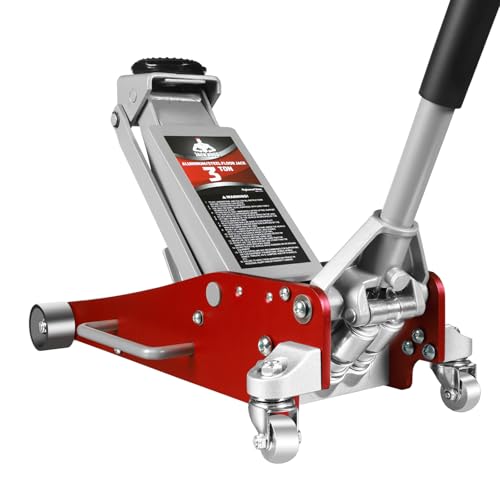 Jack Boss 3 Ton Low Profile, Aluminum and Steel Racing Floor Jack with Dual
Lifts the chassis for tire and suspension work. View on Amazon →
Jack Boss 3 Ton Low Profile, Aluminum and Steel Racing Floor Jack with Dual
Lifts the chassis for tire and suspension work. View on Amazon →
 BIG RED T43202 Torin Heavy Duty Steel Jack Stands: 3 Ton (6,000 lb) Capacity
Hold the rig up safely once it is lifted. View on Amazon →
BIG RED T43202 Torin Heavy Duty Steel Jack Stands: 3 Ton (6,000 lb) Capacity
Hold the rig up safely once it is lifted. View on Amazon →
 IRWIN Hammer, Fiberglass, General Purpose, Claw, 16 oz. (1954889)
A basic claw hammer for the kit. View on Amazon →
IRWIN Hammer, Fiberglass, General Purpose, Claw, 16 oz. (1954889)
A basic claw hammer for the kit. View on Amazon →
 CRAFTSMAN 230 Pcs Mechanics Tool Set, Socket Wrench Set, Car Tool Kit with
A broad SAE/metric socket-and-ratchet set covers most RV fasteners. View on Amazon →
CRAFTSMAN 230 Pcs Mechanics Tool Set, Socket Wrench Set, Car Tool Kit with
A broad SAE/metric socket-and-ratchet set covers most RV fasteners. View on Amazon →
Still need help? Ask an RV Mechanic
Get a personalized answer from a verified RV mechanic. Describe your specific issue and get step-by-step help for your rig.
Related Repair Guides
- Ford E450 V10 Reliability: Expected Mileage and Longevity Guide for RV Owners
- Newmar Motorhome Rough Ride Fix: Suspension & Air Pressure
- Ford V10 Triton Engine Maintenance Guide: EGR Delete vs Regular Service Tips
- Ford V10 Turbo Kit for Motorhomes: Cost, Risks & Better Alternatives
- Ford E450 Inertia Switch Location Guide - Find Your RV's Fuel Cutoff Reset Point
- Onan 5500 Generator Problems: Complete Repair Guide
- Fleetwood Excursion Tire Upgrade Guide: 255 to 275 Width Conversion
- Ford E-350 vs E-450 RV Chassis: Fuel, Power & Weight
- Ford F53 7.5L RV Won't Start: Fuel Pump Relay Voltage Drop Fix
- Generac 7.5kW Diesel Generator Repair Guide - RV Troubleshooting
Need More Help?
Try our free RV calculators and tools to help diagnose and plan your repairs.
Browse RV ToolsWeight calculator, electrical planner, propane estimator & more
