Ford E450 V10 Spark Plug Replacement: Easy Access to Cylinders 1 & 2
Read full question
I'm hoping there's some secret RV mechanic wisdom out there before I start disconnecting every wire harness bracket in sight. Please tell me there's a way to get to these plugs without performing major surgery on my engine bay. My back is already protesting just thinking about the contortions required!
Quick Answer
You can access cylinders 1 and 2 on the E450 V10 by carefully flexing wire harnesses, using flexible extensions, and working from underneath the coach. Remove the engine cover and air intake box first for better access without disconnecting major harness brackets.
The Quick Fix
Follow these three simple steps and you'll swap those hard-to-reach cylinders 1 and 2 spark plugs on your Ford E450 V10 without wrestling with wire harness brackets.
What You Need
- 3/8" drive ratchet with flexible extension
- Universal joint socket adapter
- 5/8" spark plug socket
- Magnetic pickup tool
- LED work light or headlamp
- Mechanics gloves
- Spark plug gap gauge
Fixing the Problem
SAFETY WARNING: Allow engine to cool completely before beginning work. Working on hot engines can cause severe burns from heated components. Disconnect the battery negative terminal before starting work.
- Remove the engine cover completely - This doghouse cover provides your primary access point and must come off entirely.
- Disconnect and remove the air intake box - Unclamp the air intake tube and remove the entire air box assembly for maximum working room.
- Identify smaller harness clips - Look for individual wire clips and plastic retainers that can be temporarily moved without removing main brackets.
- Use the flexible extension technique - Attach a 6-8 inch flexible extension to your ratchet, followed by a universal joint, then the spark plug socket.
- Work from the wheel well - For cylinder #1 especially, use proper jack and jack stands placed on manufacturer-specified lift points to safely raise vehicle, then remove the passenger front wheel and inner fender liner for underneath access.
- Gently flex harnesses - Carefully push wire bundles aside by hand using slow, controlled movements. Move harnesses gradually and inspect for any resistance that could indicate hidden mounting points or potential wire stress.
- Access cylinder #2 from above-right - Come in at an angle from the right side of the engine bay rather than straight down.
Understanding the Issue
The key is using flexible extensions, working from underneath when possible, and carefully flexing harnesses rather than disconnecting them.
Never force wire harnesses - Excessive pressure can damage connectors or break wires. If a harness won't move easily, look for additional clips or mounting points you may have missed.
Don't attempt this work without proper lighting. The confined space makes it easy to cross-thread spark plugs or drop tools into inaccessible areas.
Red Flags That Need a Pro
Consider professional help if you encounter corroded or seized spark plugs, if wire harnesses appear damaged or brittle, or if you're uncomfortable working in tight spaces. Professional RV techs have specialized tools and lifts that make this job significantly easier.
Also call a pro if you discover oil or coolant on the spark plugs, as this indicates more serious engine issues requiring diagnosis.
Stay Ahead of Problems
Replace spark plugs according to manufacturer specifications (consult your owner's manual or Ford dealer for your specific model year) to prevent them from seizing in the cylinder heads. Install the plugs dry and torque to Ford spec (Ford's TSB advises against anti-seize on plug threads) and torque to manufacturer specifications (typically 11-15 ft-lbs for Ford V10) to make future removal easier.
Keep detailed records of your spark plug maintenance, including which cylinders were most difficult to access, so you can plan accordingly for future services.
Tools & Supplies You'll Need
 Samyoung 2-Pack 2400LM Magnetic Rechargeable Work Light, Dual-Sided LED Work
Magnetic flood light for the work area. View on Amazon →
Samyoung 2-Pack 2400LM Magnetic Rechargeable Work Light, Dual-Sided LED Work
Magnetic flood light for the work area. View on Amazon →
 BIG RED T43202 Torin Heavy Duty Steel Jack Stands: 3 Ton (6,000 lb) Capacity
Hold the rig up safely once it is lifted. View on Amazon →
BIG RED T43202 Torin Heavy Duty Steel Jack Stands: 3 Ton (6,000 lb) Capacity
Hold the rig up safely once it is lifted. View on Amazon →
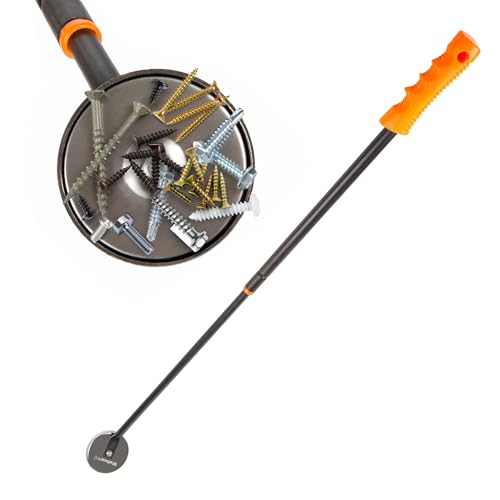 Telescoping Magnetic Pickup Tool - 40-Inch Magnet Stick with 50lb Capacity to
Retrieves dropped screws from the bay floor. View on Amazon →
Telescoping Magnetic Pickup Tool - 40-Inch Magnet Stick with 50lb Capacity to
Retrieves dropped screws from the bay floor. View on Amazon →
Still need help? Ask an RV Mechanic
Get a personalized answer from a verified RV mechanic. Describe your specific issue and get step-by-step help for your rig.
Related Repair Guides
- Ford E450 V10 Reliability: Expected Mileage and Longevity Guide for RV Owners
- Newmar Motorhome Rough Ride Fix: Suspension & Air Pressure
- Ford V10 Triton Engine Maintenance Guide: EGR Delete vs Regular Service Tips
- Ford V10 Turbo Kit for Motorhomes: Cost, Risks & Better Alternatives
- Ford E450 Inertia Switch Location Guide - Find Your RV's Fuel Cutoff Reset Point
- Onan 5500 Generator Problems: Complete Repair Guide
- Fleetwood Excursion Tire Upgrade Guide: 255 to 275 Width Conversion
- Ford E-350 vs E-450 RV Chassis: Fuel, Power & Weight
- Ford F53 7.5L RV Won't Start: Fuel Pump Relay Voltage Drop Fix
- Generac 7.5kW Diesel Generator Repair Guide - RV Troubleshooting
Need More Help?
Try our free RV calculators and tools to help diagnose and plan your repairs.
Browse RV ToolsWeight calculator, electrical planner, propane estimator & more
