Dometic 310 Toilet Foot Pedal Problems: When to Replace vs Repair Completely
Read full question
Given the recurring nature of this issue and the accumulated maintenance costs, I am evaluating whether to continue with component-level repairs or proceed with a complete toilet replacement. What factors should determine this decision, and at what point does full unit replacement become the more practical solution?
Quick Answer
If you've already replaced the valve multiple times and the foot pedal continues to fail, replacing the entire Dometic 310 toilet is often more cost-effective and reliable than repeatedly replacing individual components.
What's Going On
For your Dometic 310 toilet with problematic components, I'd recommend replacing just the faulty parts rather than the entire toilet. Since you've already dealt with valve replacements multiple times in the past, the toilet bowl and mounting hardware are likely in good working condition. A complete toilet replacement would cost you $200-400 (rough ballpark — actual cost varies by region, brand, and model year and changes over time, so get current quotes) and require significant plumbing work, while replacement parts typically run $40-60 and take under an hour to install. The hand-operated flush mechanism components can be serviced independently, so replacing worn parts should give you a long-term solution without the expense and hassle of a full toilet swap.
Why This Happens
Component problems on Dometic 310 toilets typically stem from worn internal springs, corroded linkage mechanisms, or damaged pivot points in the hand-operated flush mechanism. The flush assembly contains several moving parts that experience constant use, causing wear over time. Water exposure from cleaning and humidity in the RV bathroom can lead to corrosion of the internal components, making the flush mechanism feel stiff, unresponsive, or requiring excessive force to operate.
The fact that you've had to replace the valve multiple times suggests your toilet gets heavy use, but this actually indicates the main toilet components are worth preserving. Valve issues are usually related to debris, mineral buildup, or seal degradation - completely separate from foot pedal mechanical problems. Your toilet's porcelain bowl, mounting hardware, and plumbing connections are likely in excellent condition if you've been maintaining the valve system regularly.
Getting Ready
You'll need basic hand tools including a Phillips head screwdriver, flat blade screwdriver, and possibly a 1/2" wrench depending on your specific pedal model. Order replacement parts for your flush mechanism - see manufacturer specifications for correct part numbers for your specific Dometic 310 model, available from Dometic dealers or RV supply stores for around $45-55. Before starting, turn off your water pump and flush the toilet to empty the bowl completely.
Take photos of the current flush mechanism from multiple angles before removal - this helps tremendously during reassembly. Clear the area around the toilet base and have a small container ready to catch any residual water. Some repairs may require removing the toilet from its mounting flange, while others can be accessed from underneath, so verify your specific model's requirements before beginning.
Walking Through the Fix
Start by locating the mounting screws that secure the foot pedal to the toilet base, usually two or three Phillips head screws accessible from inside the toilet bowl area.
Remove these mounting screws carefully, keeping track of any washers or spacers. The old pedal assembly should lift out once the screws are removed. Compare the new assembly to the old one to ensure you have the correct replacement part. Install the new pedal by reversing the removal process - position it correctly, install the mounting screws with appropriate torque (snug but not over-tight to avoid cracking the porcelain), and reconnect the water supply line.
Test the pedal action before final assembly by pressing it several times to ensure smooth operation and proper return function. Turn your water pump back on and test flush cycles, checking for proper water flow and complete pedal return. The new pedal should operate with light, consistent pressure and return fully to the closed position after each use.
Beyond DIY Territory
Call a professional if you discover cracks in the toilet bowl during pedal removal, find that the toilet mounting flange is damaged, or encounter corroded plumbing connections that break during disconnection. Also seek professional help if the new pedal assembly doesn't fit properly, indicating possible toilet base damage or non-standard modifications from previous repairs.
Consider professional replacement of the entire toilet if you find extensive corrosion around the mounting area, multiple cracks in the porcelain, or if the toilet rocks significantly when the pedal is operated. These issues suggest structural problems that go beyond simple pedal replacement. A qualified RV technician can assess whether your toilet's foundation and plumbing connections can support continued use or if complete replacement is the safer long-term solution.
Tools & Supplies You'll Need
 WORKPRO 5-piece Adjustable Wrench Set, 4-Inch & 6-Inch & 8-Inch & 10-Inch &
Two sizes cover plumbing fittings and odd-size nuts. View on Amazon →
WORKPRO 5-piece Adjustable Wrench Set, 4-Inch & 6-Inch & 8-Inch & 10-Inch &
Two sizes cover plumbing fittings and odd-size nuts. View on Amazon →
 Amartisan 10-Piece Magnetic Screwdrivers Set, 5 Phillips and 5 Slotted Tips
Phillips, flat, and Torx tips for panels, trim, and appliances. View on Amazon →
Amartisan 10-Piece Magnetic Screwdrivers Set, 5 Phillips and 5 Slotted Tips
Phillips, flat, and Torx tips for panels, trim, and appliances. View on Amazon →
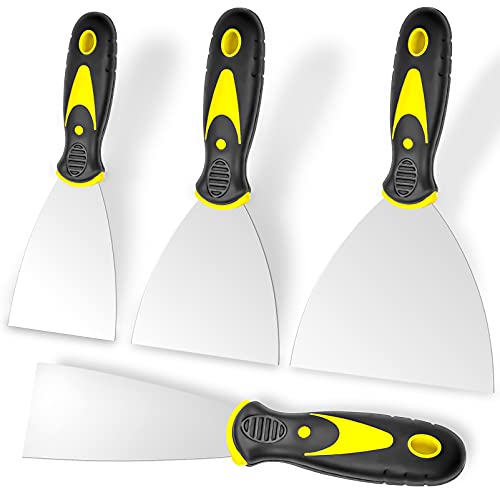 Putty Knife, 4Pcs Spackle Knife Set (2, 3, 4, 5 in), Stainless Steel Paint
Lifts old butyl tape and lap sealant without gouging. View on Amazon →
Putty Knife, 4Pcs Spackle Knife Set (2, 3, 4, 5 in), Stainless Steel Paint
Lifts old butyl tape and lap sealant without gouging. View on Amazon →
Still need help? Ask an RV Mechanic
Get a personalized answer from a verified RV mechanic. Describe your specific issue and get step-by-step help for your rig.
Related Repair Guides
- RV Water Pump Losing Prime: Troubleshooting & Winterization
- Monaco Diplomat Rear Air Suspension Won't Dump Fully - Troubleshooting Guide
- Fix RV Low Water Pressure on City Connection: Troubleshooting Pump Assembly
- Dometic 310 Toilet Leaking at Foot Pedal: Complete Fix Guide
- Camco Rhino Sewer Hose Adapter Pro: Complete Review & Installation Guide for RV Owners
- RV Grey Water Tank Clogged? 7 Proven Solutions to Clear Blockages Fast
- RV Tank Sensor Removal Guide: Gray & Black Water Tank Sensors (Step-by-Step Process)
- RV Winterization: Complete Step-by-Step Guide
- How to Fix RV Fresh Water Tank Leaks: Complete Diagnosis & Repair Guide
- RV Black Tank Not Holding Full Capacity: 7 Common Causes and DIY Repair Solutions
Need More Help?
Try our free RV calculators and tools to help diagnose and plan your repairs.
Browse RV ToolsWeight calculator, electrical planner, propane estimator & more
