How to Change Diesel RV Fuel Filters on the Road: Complete Emergency Guide
Read full question
What equipment should I carry for emergency filter changes? Is there a reliable way to prime the system without making things worse? Or should I focus more on prevention?
Quick Answer
Roadside diesel filter change is possible but priming is tricky. Carry spare filters and priming pump. Know your engine priming procedure. Prevention through quality fuel and regular changes is better approach.
The Rundown
You're absolutely right to be thinking ahead about roadside fuel filter changes – it's definitely more challenging than doing it in your home garage with all your tools and a jug of clean diesel handy. The good news is that changing diesel fuel filters on the roadside is completely doable with the right preparation and technique, even without the luxury of pre-filling filters from a diesel jug. The key is having a roadside emergency kit specifically designed for fuel filter changes and knowing a few field-tested techniques for dealing with the priming issue.
Since you're already carrying spare filters (smart move given the horror stories about bad fuel), you're halfway there. The main difference between home and roadside changes comes down to three factors: workspace limitations, lack of clean diesel for pre-filling, and the challenge of priming the system without your usual tools. Most experienced RVers handle this by using the fuel system's own diesel to pre-fill filters through careful technique, carrying a small emergency diesel supply, or using manual priming methods that don't require pre-filled filters.
The reality is that most diesel RV fuel systems are designed with roadside repairs in mind – the engineers knew filters would need changing in less-than-ideal conditions. Your Cummins, Caterpillar, or Ford diesel likely has a manual primer pump or electric lift pump that can handle getting fuel back into the system even if you install dry filters. The trick is understanding your specific engine's fuel system layout and having the right roadside strategy.
Why It Happens
Understanding why roadside fuel filter changes happen helps you prepare better. Common causes of fuel filter issues include bad diesel fuel, which is unfortunately common, especially at older truck stops or rural stations where fuel sits longer and water contamination is more likely. Diesel fuel naturally attracts moisture from the air, and that water creates the perfect environment for algae growth and bacterial contamination. When this contaminated fuel hits your filters, they can clog rapidly – sometimes within hours of fueling up.
Temperature changes also play a role, particularly in winter months. Diesel fuel contains paraffin that can gel when temperatures drop, and if your fuel already has water content, ice crystals can form and block fuel flow. This is why many RVers experience fuel system issues when traveling through different climate zones, even with fuel additives. The primary fuel filter typically catches the big chunks, while the secondary filter handles the finer contaminants, but either one can become overwhelmed with seriously bad fuel.
The challenge of roadside changes isn't just about the filters themselves – it's about maintaining fuel system pressure and preventing air from entering the high-pressure injection system. Modern diesel engines are particularly sensitive to air in the fuel lines because their high-pressure fuel pumps and injectors require consistent fuel flow. Common rail systems typically self-bleed the high-pressure fuel rails during normal operation after filter changes. When you remove filters on the roadside, you're essentially breaking the fuel circuit and introducing air into the system, which is why proper priming becomes critical.
Location matters too. Unlike your home garage where you can work at a comfortable height with good lighting, roadside changes often mean crawling under the RV on gravel or dirt, dealing with hot components if the engine was recently running, and working in whatever weather conditions you encounter. This is why having a specific roadside strategy and the right tools makes all the difference between a manageable repair and a frustrating ordeal.
Gather These Items
WARNING: Working with diesel fuel presents fire and health hazards. Never work near open flames, ensure adequate ventilation, and have proper fire suppression equipment available.
Your roadside fuel filter change kit needs to be more comprehensive than your home setup since you can't just grab additional tools from the garage. Start with a dedicated toolbox that stays in your RV containing everything you'll need. Include the obvious items like your spare fuel filters (verify correct part for your model with dealer), but also pack multiple sets – if you got bad fuel once, the replacement filters might clog quickly too, especially if you can't completely drain the contaminated fuel from your tank.
For tools, you'll need fuel filter wrenches specific to your engine – these are usually different sizes for primary and secondary filters. Pack both strap-type wrenches and cup-style filter wrenches since roadside conditions might make one type more accessible than the other. Include a complete socket set with extensions, since filter mounting locations often require reaching around other components. A good flashlight or headlamp is essential, along with magnetic parts trays to prevent losing small hardware in roadside gravel.
The priming challenge requires specific solutions. If your engine has a manual primer pump (usually a lever or button on the fuel filter housing), make sure you know how to use it and pack any tools needed to access it. For engines with electric lift pumps, consult your service manual for the manufacturer's recommended priming procedures, which typically provide safe methods for activating the lift pump for system priming. Some experienced RVers carry a small hand-operated vacuum pump that can draw fuel through the system for priming purposes.
For the pre-filling issue you mentioned, there are several approaches. A small container of clean diesel fuel (one or two quarts) takes up minimal space and solves the pre-filling problem entirely. Use a proper fuel container designed for diesel, not a generic plastic jug that might contaminate clean fuel. Alternatively, pack a clean funnel and some clear tubing that lets you siphon clean fuel from your tank's drain valve to pre-fill filters (ensure proper grounding to prevent static electricity buildup during fuel transfer). Include plenty of shop rags, nitrile gloves, and a tarp or cardboard to lie on while working under the RV.
Don't forget safety items specific to fuel work. Pack safety glasses to protect from fuel splashes, and include a small fire extinguisher rated for flammable liquids. A basic first aid kit is always smart, but especially important when working with diesel fuel which can cause skin irritation. Finally, include a few empty containers for collecting contaminated fuel – you don't want to just dump old diesel on the ground at a roadside location.
The Fix
WARNING: Ensure engine is completely cool before beginning work. Hot fuel system components can cause severe burns. Always work away from traffic and use proper warning devices.
The actual roadside fuel filter change process starts with proper positioning and safety. Pull completely off the roadway if possible, engage your parking brake, and set up warning triangles or flares behind your RV. Let the engine cool for at least 15 minutes if it was running hot – diesel fuel system components can cause burns, and cooler conditions make the work more comfortable. Position your tarp or cardboard under the work area and gather all your tools before starting.
Begin by locating your fuel shut-off valve, usually found near the fuel tank or along the chassis rail. Shutting off fuel flow prevents contaminated fuel from continuing to flow toward the engine while you work. However, some RVers skip this step and rely on the filters themselves to stop fuel flow, which works if you're quick with the replacement process. Take photos of the filter orientation and any hose connections before starting – roadside memory isn't always reliable when you're working under pressure.g in uncomfortable positions.
Start with the primary filter, which is typically larger and located closer to the fuel tank. Use your filter wrench to remove the old filter, turning counterclockwise. Expect some fuel spillage, so have rags ready to contain it.e even with the shut-off valve closed, so have rags ready. Clean the filter mounting surface thoroughly with a rag – any debris here can cause leaks with the new filter. This is where the pre-filling challenge comes in, and you have several options depending on your preparation level.
If you brought a small container of clean diesel, pre-fill the new filter about 75% full, coat the rubber gasket with a thin layer of diesel fuel, and install the filter hand-tight plus torque to manufacturer specifications. If you don't have clean diesel for pre-filling, install the dry filter using the same technique. The key is not over-tightening – the rubber gasket only needs to compress enough to seal, and over-tightening can actually cause leaks or make future removal difficult.
For the secondary filter, the process is similar but often more challenging due to location. Secondary filters are frequently mounted higher on the engine and may require removing other components for access. Work slowly and methodically, taking breaks if you're getting fatigued from working in awkward positions. Remember that roadside repairs don't need to be fast – they need to be done correctly so you don't end up stranded again a few miles down the road.
The priming process is where roadside technique really matters. If your engine has a manual primer pump, use it to draw fuel through the system until you feel solid resistance, indicating the filters are full and air has been purged. This typically takes 50-100 pumps, so be patient. For engines with electric lift pumps, you can often activate them by turning the ignition to the "on" position without starting the engine. Listen for the pump running and watch fuel pressure gauges if your RV has them.
If you don't have clean diesel for pre-filling and your engine lacks effective primer systems, try this field technique: install the new filters dry, then slightly loosen the secondary filter and turn the ignition to "on" to activate the lift pump. As fuel reaches the secondary filter, it will seep out around the threads. When you see steady fuel flow without air bubbles, retighten the filter. This method uses the fuel system's own pressure to fill and prime the filters.
Before starting the engine, double-check all connections and clean up any spilled fuel. The initial startup after a filter change often involves some cranking time as the system purges remaining air. Don't be concerned if the engine runs roughly for the first minute or two – this is normal as the fuel system stabilizes. However, if the engine won't start after extended cranking or runs very poorly, you may have an air leak in the system that needs addressing.
Know Your Limits
WARNING: Never attempt fuel system repairs in dangerous weather conditions, near traffic, or when working alone in remote areas. Personal safety always takes priority over repairs.
While changing fuel filters on the roadside is generally within the capabilities of most RV owners, there are situations where you should call for professional help instead of attempting the repair yourself. If you're dealing with a fuel system that has multiple leaks, damaged mounting hardware, or contamination so severe that filters clog immediately after replacement, the problem likely extends beyond simple filter changes and requires diagnostic equipment and extensive fuel system cleaning.
Weather conditions can make roadside fuel filter changes dangerous or impractical. Working with flammable diesel fuel during thunderstorms, high winds, or in freezing conditions where fuel can gel on your hands creates unnecessary risks. Similarly, if you're on a busy highway with no safe pull-off area or if your RV has broken down in a location where working underneath it would put you in danger from traffic, calling for roadside assistance or a tow to a safer location is the smart choice.
Pay attention to your physical capabilities and limitations. Fuel filter changes often require working in cramped spaces under the RV, and if you have back problems, arthritis, or other physical limitations, attempting this repair on the side of the road could result in injury. There's no shame in recognizing when a repair is beyond your current capabilities – getting yourself hurt won't solve the fuel system problem and will create additional complications.
Consider the complexity of your specific RV's fuel system. Some newer diesel pusher motorhomes have multiple filter stages, electronic fuel management systems, or filters located in positions that require removing significant engine components for access. If your previous filter changes at home required extensive disassembly or special tools you don't carry, the roadside version of that same repair may not be practical. In these cases, focus on getting to a qualified RV service center rather than attempting field repairs.
Finally, trust your instincts about the severity of the fuel contamination. If you're seeing large amounts of water, thick sludge, or obvious biological growth in the fuel system, simply changing filters may not solve the underlying problem. Severe contamination often requires fuel tank cleaning, fuel polishing, and systematic flushing of the entire fuel system – work that's not practical to perform on the roadside and requires specialized equipment to do properly. With the right preparation and understanding of your limits, roadside fuel filter changes can be manageable, but always prioritize safety over getting back on the road quickly.
Tools & Supplies You'll Need
 Performance Tool W4070 Drain Pan, 7 Quart Capacity
Catches oil, coolant, and tank drips. View on Amazon →
Performance Tool W4070 Drain Pan, 7 Quart Capacity
Catches oil, coolant, and tank drips. View on Amazon →
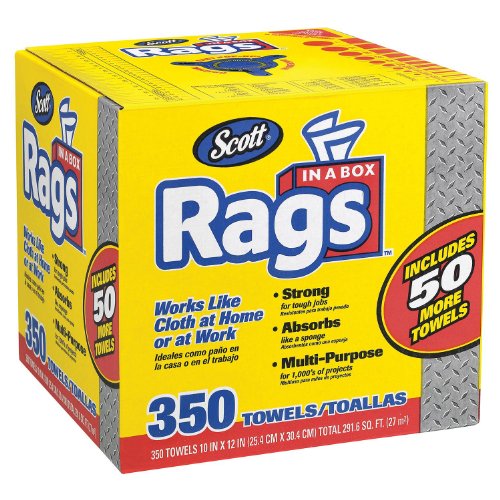 Scott Shop Rags In A Box (350ct.)
Lint-light rags for cleanup and prep. View on Amazon →
Scott Shop Rags In A Box (350ct.)
Lint-light rags for cleanup and prep. View on Amazon →
Still need help? Ask an RV Mechanic
Get a personalized answer from a verified RV mechanic. Describe your specific issue and get step-by-step help for your rig.
Related Repair Guides
- Ford E450 V10 Reliability: Expected Mileage and Longevity Guide for RV Owners
- Newmar Motorhome Rough Ride Fix: Suspension & Air Pressure
- Ford V10 Triton Engine Maintenance Guide: EGR Delete vs Regular Service Tips
- Ford V10 Turbo Kit for Motorhomes: Cost, Risks & Better Alternatives
- Ford E450 Inertia Switch Location Guide - Find Your RV's Fuel Cutoff Reset Point
- Onan 5500 Generator Problems: Complete Repair Guide
- Fleetwood Excursion Tire Upgrade Guide: 255 to 275 Width Conversion
- Ford E-350 vs E-450 RV Chassis: Fuel, Power & Weight
- Ford F53 7.5L RV Won't Start: Fuel Pump Relay Voltage Drop Fix
- Generac 7.5kW Diesel Generator Repair Guide - RV Troubleshooting
Need More Help?
Try our free RV calculators and tools to help diagnose and plan your repairs.
Browse RV ToolsWeight calculator, electrical planner, propane estimator & more
