Ford F53 V10 Heater Return Hose Replacement Guide - Step by Step RV Repair Tutorial
Read full question
I've never tackled this particular repair before on an RV with the V10 engine, and I want to make sure I understand the complete process before I start. I know I'll need to drain the coolant system, but I'm not entirely sure about the best approach for accessing both connection points - one at the engine block and the other at the firewall where it enters the cab area. The engine bay is pretty cramped with all the RV-specific components, so I want to be prepared with the right parts and know the proper sequence of steps.
Can someone walk me through the complete replacement procedure for the heater return hose on this Ford F53 V10 setup? I want to make sure I'm using the right type of replacement hose and clamps, and that I'm not missing any important steps in the process.
Quick Answer
V10 heater return hose replacement requires coolant drain and access at both ends. Use quality heater hose and new clamps.
Bottom Line Up Front
You're absolutely right that the factory heater return tube on your '99 F53 V10 Bounder isn't easily replaced - it's a notorious weak point that requires either expensive dealer service (repair costs can vary widely depending on location and extent of damage) or a clever DIY workaround. The good news is that several RV owners with your exact setup have successfully created permanent fixes using flexible heater hose and proper fittings. Your broken tube where it snapped at the extruded area is a textbook failure of this factory design, and the piece stuck in the coolant line can be extracted with the right technique. Since you mentioned the rest of the tube appears solid, you're in a good position to create a reliable bypass solution that will likely outlast the original brittle plastic tube.
The most successful DIY approach involves cutting out the damaged section completely and replacing it with a flexible heater hose connection using proper barbed fittings and quality clamps. This eliminates the brittle factory connection point that failed and gives you something serviceable for future maintenance. Several Bounder owners on RV forums have documented this exact repair on the F53 chassis with excellent long-term results. The key is using the correct diameter hose and ensuring proper coolant flow direction.
Root Causes
Ford's factory heater return tube design on the F53 V10 chassis has known issues, particularly in the 1997-2003 model years like your '99 Bounder. Common causes include the tube's brittle plastic construction with an extruded connection point that becomes increasingly fragile over time. Heat cycling from engine operation causes the plastic to become brittle, while vibration from road travel creates stress fractures exactly where yours failed.
The specific failure point you're experiencing occurs because Ford designed this tube with a narrow extruded section that's supposed to slide into the heater core return line. Over 20+ years, this connection point develops micro-cracks from thermal expansion and contraction. When you barely bumped it during your spark plug work, it was already weakened to the breaking point - you just provided the final stress that caused the inevitable failure.
Environmental factors make this problem worse in RVs compared to regular trucks. Your Bounder experiences more vibration from road travel, longer periods of engine operation, and often sits unused for extended periods where coolant can become corrosive. The factory tube is also positioned where it's vulnerable to accidental contact during routine maintenance, exactly as happened during your COP (Coil Over Plug) replacement.
This isn't a maintenance issue or something you could have prevented - it's a known design defect that affects most F53 chassis of this era. Ford never issued a recall, but they did redesign the system in later years using different materials and connection methods. The aftermarket has largely ignored this problem because it primarily affects older RV chassis rather than high-volume passenger vehicles.
Before You Start
WARNING: Never work on the cooling system when hot. Ford F53 cooling system typically operates at pressures up to 16 PSI (verify with manufacturer specifications for your specific model year) and hot coolant can cause severe burns. Allow engine to cool completely (several hours) before beginning any work. When draining coolant, ensure proper disposal at an approved recycling facility as it's toxic to humans, pets, and wildlife.
First, you'll need to extract that broken piece from inside the coolant line before proceeding with any repair. Use a pair of needle-nose pliers or hemostats to carefully grab the broken stub and work it out with a twisting motion. Be gentle to avoid pushing it further into the system. If it's stuck, you can try using a dental pick or small hook to get better purchase on the plastic piece. A telescoping magnet may help if there are any metal components in the connection, but won't be effective on pure plastic pieces.
Gather your materials before starting: you'll need approximately 6-8 inches of heater hose (measure the existing tube diameter to determine correct size - typically 5/8-inch inner diameter) (use correct part for your model - verify with dealer), two quality worm-gear clamps (not spring clamps), and possibly a barbed fitting depending on your chosen repair method. Have a drain pan ready because you'll lose some coolant during the repair. You'll also want shop rags, basic hand tools, and a good flashlight since this area has limited visibility.
Check your coolant level and condition before starting. If the coolant looks dirty or hasn't been changed recently, this might be a good opportunity to do a complete flush. Old coolant can be more corrosive and may have contributed to the tube failure. Make sure you have the correct coolant type for your V10 - consult your owner's manual or Ford dealer for the specific coolant specification for your model year, as requirements vary between years.
Plan for the engine to be completely cool before starting work. The cooling system will be under pressure when hot, and you'll be working near hot components. Early morning before the day warms up is ideal timing. Take photos of the existing routing and connections before disassembly so you can reference them during reassembly.
The Repair Process
The most reliable long-term solution is to eliminate the problematic factory connection entirely by creating a flexible hose connection. Start by cutting the remaining factory tube back from the break point to a solid, undamaged area - measure carefully to ensure adequate hose length and proper routing clearance before cutting. Use a sharp utility knife or fine-tooth hacksaw to make a clean, square cut. Deburr the cut edge with sandpaper to prevent damage to the new hose.
Measure the outside diameter of the cut tube end to determine the correct heater hose inner diameter needed - Ford F53 heater return lines can vary between 5/8" and 3/4" depending on year and configuration. The heater core connection should also accept 5/8-inch hose directly, but verify this before proceeding. If the diameters don't match exactly, you may need to use a stepped barbed fitting to adapt between different sizes.
Cut your replacement heater hose to the appropriate length, allowing for smooth routing without sharp bends. The hose should be long enough to reach comfortably between connection points with some slack for engine movement, but not so long that it interferes with other components or creates unnecessary loops. Most successful repairs use 4-6 inches of hose.
Install the hose by sliding it over the cut factory tube end first, then connecting to the heater core return. Use quality worm-gear clamps positioned about 1/2 inch from each end of the hose. Tighten clamps to manufacturer specifications - snug them down until the hose just begins to deform slightly under the clamp. Over-tightening can actually create leak points by cutting into the hose material.
An alternative method that some owners prefer involves installing a barbed brass fitting into the cut tube end, then connecting the heater hose to the fitting. This can provide a more secure connection if the original tube wall is thin or damaged. Use a fitting with the appropriate thread pitch and seal it with thread sealant or Teflon tape.
After making the connection, refill the cooling system slowly to avoid air pockets. Start the engine and let it reach operating temperature while monitoring for leaks. Check the connection points carefully after the first heat cycle, as thermal expansion may cause slight loosening. Retighten clamps if necessary, but avoid over-tightening.
Some owners have reported success with emergency repairs using high-temperature silicone sealant and hose clamps as a temporary measure, but this isn't recommended as a permanent solution due to the high pressures and temperatures in the cooling system. This method is not recommended for permanent use. The silicone can break down over time and create debris that clogs other cooling system components.
Professional Help Needed
While this repair is definitely within the capabilities of most DIY mechanics, consider professional service if you're uncomfortable working with cooling systems or lack proper tools.n the capabilities of most DIY RV owners, there are situations where professional help makes sense. If you discover that the break extends further into the system than initially visible, or if the remaining tube sections show significant brittleness or cracking, a shop may need to fabricate a more extensive repair involving custom metal tubing.
Professional replacement typically involves removing significant engine components to access the full tube routing, then installing either OEM replacement parts (if still available) or custom-fabricated metal tubing. This work often requires 6-10 hours of labor at shop rates, plus parts costs. Some shops have developed streamlined repair procedures for this specific problem and may offer better pricing.
If your cooling system has other issues - such as a leaking heater core, water pump problems, or extensive corrosion - it may make sense to address everything professionally at once. A shop can pressure test the entire system and identify potential future failure points that aren't obvious during a DIY inspection.
Consider professional help if you're not comfortable working with cooling systems, don't have adequate workspace, or if this repair needs to be done quickly for travel plans. Some mobile RV repair services are familiar with this exact problem and can perform the repair at your location using proven techniques.
For warranty considerations, keep in mind that DIY cooling system repairs can potentially void coverage for related components if problems arise later. If your RV is still under any extended warranty coverage, check with the warranty provider before proceeding with repairs. Document your repair with photos and parts receipts in case warranty questions arise in the future.
Tools & Supplies You'll Need
 Performance Tool W4070 Drain Pan, 7 Quart Capacity
Catches oil, coolant, and tank drips. View on Amazon →
Performance Tool W4070 Drain Pan, 7 Quart Capacity
Catches oil, coolant, and tank drips. View on Amazon →
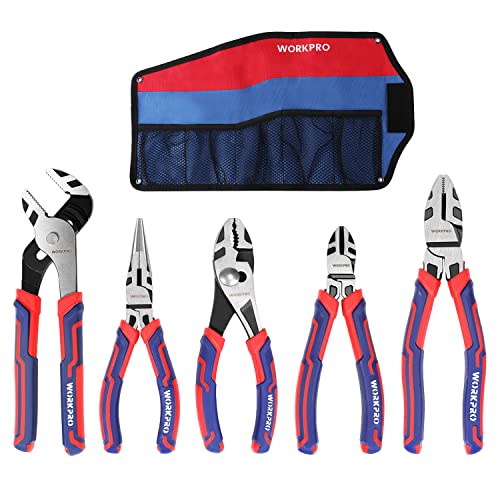 WORKPRO Pliers Set, Premium Cr-V Construction, Includes 6 Inch Slip Joint
Slip-joint, cutting, and groove-joint pliers in one set. View on Amazon →
WORKPRO Pliers Set, Premium Cr-V Construction, Includes 6 Inch Slip Joint
Slip-joint, cutting, and groove-joint pliers in one set. View on Amazon →
 Amartisan 10-Piece Magnetic Screwdrivers Set, 5 Phillips and 5 Slotted Tips
Phillips, flat, and Torx tips for panels, trim, and appliances. View on Amazon →
Amartisan 10-Piece Magnetic Screwdrivers Set, 5 Phillips and 5 Slotted Tips
Phillips, flat, and Torx tips for panels, trim, and appliances. View on Amazon →
 DREXON Hose Clamp Assortment 200PCS Hose Clamp 304 Stainless Steel Kit
Stainless clamps for water and drain hoses. View on Amazon →
DREXON Hose Clamp Assortment 200PCS Hose Clamp 304 Stainless Steel Kit
Stainless clamps for water and drain hoses. View on Amazon →
Still need help? Ask an RV Mechanic
Get a personalized answer from a verified RV mechanic. Describe your specific issue and get step-by-step help for your rig.
Related Repair Guides
- Ford E450 V10 Reliability: Expected Mileage and Longevity Guide for RV Owners
- Newmar Motorhome Rough Ride Fix: Suspension & Air Pressure
- Ford V10 Triton Engine Maintenance Guide: EGR Delete vs Regular Service Tips
- Ford V10 Turbo Kit for Motorhomes: Cost, Risks & Better Alternatives
- Ford E450 Inertia Switch Location Guide - Find Your RV's Fuel Cutoff Reset Point
- Onan 5500 Generator Problems: Complete Repair Guide
- Fleetwood Excursion Tire Upgrade Guide: 255 to 275 Width Conversion
- Ford E-350 vs E-450 RV Chassis: Fuel, Power & Weight
- Ford F53 7.5L RV Won't Start: Fuel Pump Relay Voltage Drop Fix
- Generac 7.5kW Diesel Generator Repair Guide - RV Troubleshooting
Need More Help?
Try our free RV calculators and tools to help diagnose and plan your repairs.
Browse RV ToolsWeight calculator, electrical planner, propane estimator & more
