Ford F53 Chassis Misfire Problems: Early Spark Plug & Coil Failure Solutions
Read full question
The coach now runs better than it ever has since new, which makes me think the original components may have been subpar from the factory. What's really bothering me is that we shouldn't need major ignition system work this early in the vehicle's life. I'm curious if other owners of 2021 or newer F53 chassis motorhomes have experienced similar premature failures with their spark plugs, ignition coils, and plug wires? Is this pointing to some kind of quality control issue with Ford's ignition components on these newer chassis, and should I expect better reliability from aftermarket replacements going forward?
Quick Answer
Yes, many 2021+ Ford F53 chassis owners report needing spark plug, coil, and wire replacement well before 20,000 miles due to known quality control issues. Early replacement with quality aftermarket parts often resolves misfires and improves performance significantly.
The Rundown
Yes, you're definitely not alone with early ignition system failures on 2021+ F53 chassis. Many RV owners are reporting similar issues with spark plugs, coils, and wires failing well before the typical 30,000-60,000 mile service intervals. Your experience with cylinder misfires under 20,000 miles is unfortunately becoming common, likely due to the heavy-duty nature of RV service putting extra stress on ignition components. The good news is that your proactive approach of replacing all eight cylinders' worth of components was the right call - it prevents future failures and ensures balanced performance across the entire engine. Your fuel cap issue is also a known quirk with these newer chassis, where the EVAP system is extremely sensitive to proper sealing.
The fact that your coach now runs better than when new confirms you made the right decision. Ford's 6.8L V10 in the F53 chassis can be sensitive to ignition system degradation, and replacing everything as a complete set rather than chasing individual cylinder failures saves time and prevents repeat trips to the dealer. Your FordPass notification system actually worked as designed - it's one of the better diagnostic features Ford has added to help RV owners catch issues early.
Why It Happens
The 2021+ F53 chassis experiences premature ignition system wear due to several factors specific to RV service. Unlike regular trucks that spend most of their time at highway speeds, RVs frequently operate at lower RPMs with high loads - climbing grades, running generators, and carrying heavy house loads. This creates a challenging combustion environment where spark plugs work harder to ignite fuel mixtures under varying conditions. The constant vibration from RV coach construction also contributes to coil and wire failures as connections work loose over time.
Ford's newer ignition systems are also more sensitive to fuel quality variations. RVs often sit for extended periods between trips, and fuel degradation can cause carbon buildup that fouls plugs faster than normal automotive use. The EVAP system issues you experienced with the fuel cap are related to tighter emissions standards - the system monitors for even tiny vapor leaks, so an improperly sealed cap triggers the check fuel intake message. Many owners don't realize how precisely the cap must be seated to satisfy the system's sensors.
Environmental factors play a role too. RVs travel through diverse climates and altitudes, exposing ignition components to thermal cycling and moisture that accelerates wear. The underhood temperatures in RV chassis can also run higher due to restricted airflow from coach aerodynamics, further stressing electrical components like ignition coils.
Gather These Items
WARNING: Ensure engine is cool before beginning work to prevent burns from hot components.
For future reference, here are the key components you'll need if doing this work yourself. The 2021 F53 6.8L V10 uses Motorcraft SP-515 or SP-546 spark plugs (verify with dealer), typically running $8-12 each from Ford dealers or $6-8 from auto parts stores. The ignition coils are Motorcraft part numbers (verify specific part number with dealer), costing $45-65 each. Spark plug wires vary by manufacturer but expect $15-25 per wire or $120-200 for a complete set from brands like Motorcraft, NGK, or Standard Motor Products.
You'll also want basic tools: a 5/8" spark plug socket, extension bars, universal joint, torque wrench, dielectric grease. A magnetic pickup tool helps retrieve dropped bolts in the tight F53 engine bay. For the fuel cap issue, keeping a small flashlight handy helps ensure proper alignment of the cap threads before tightening.
Budget-wise, expect $600-900 for a complete ignition system refresh if doing it yourself, or $1,200-1,800 at a dealer including labor. The parts typically carry a 1-2 year warranty, though some aftermarket options offer longer coverage periods.
The Fix
WARNING: Disconnect the negative battery cable before beginning work to prevent electrical shock or accidental ignition.
Start by documenting which coils and cylinders were originally misfiring using your FordPass app or an OBD scanner - this helps identify patterns for future reference. Work on one cylinder at a time to avoid mixing up plug wires. Remove the engine cover and locate cylinder 1 (front passenger side). Disconnect the coil electrical connector first, then remove the single bolt holding the coil down. The coil should lift straight up, revealing the spark plug.
Use a 5/8" spark plug socket with extensions to remove the old plug. Check the plug condition - oil fouling indicates engine wear, while carbon buildup suggests fuel quality issues. Gap new plugs to 0.054 inch specification, installing them dry (Ford's TSB advises against anti-seize on plug threads, as it over-torques the plug). Torque to 11 ft-lbs - do not use finger-tight method on aluminum heads. Over-tightening can damage the aluminum heads.
For ignition coils, apply a thin layer of dielectric grease to the spark plug boot before installation. This prevents moisture intrusion and makes future removal easier. Route new plug wires carefully away from heat sources and sharp edges, securing with factory clips where possible. The firing order for the 6.8L V10 is 1-6-5-10-2-7-3-8-4-9, which helps when replacing wires systematically.
After installation, clear any stored trouble codes and take a test drive. Monitor for smooth idle, proper acceleration, and absence of the check engine light. For the fuel cap issue, practice the proper closing technique - hold the tether strap firmly while turning the cap clockwise until it stops, then give it one additional quarter-turn to ensure full engagement with the EVAP system seal.
Know Your Limits
WARNING: Work in a well-ventilated area and wear safety glasses. Keep a fire extinguisher nearby when working around fuel components.
This repair is well within the capabilities of most DIY RV owners, but there are some important safety considerations. The F53's V10 engine bay is cramped, making access to rear cylinders (especially 7-10) challenging without proper extensions and universal joints. If you're not comfortable working in tight spaces or lack experience with ignition systems, the dealer route you chose was appropriate. Incorrectly gapped plugs or over-torqued installations can cause expensive engine damage.
Be aware that some ignition system problems can mask deeper engine issues. If you experience repeated coil failures or unusual plug wear patterns after replacement, investigate further for vacuum leaks, fuel injector problems, or internal engine wear. The F53 chassis is still under powertrain warranty, so document any recurring issues for potential warranty claims. Keep all receipts and service records, as Ford may cover related failures even after your repairs.
Consider this maintenance experience a learning opportunity for future RV ownership. Many 2021+ F53 owners are proactively replacing ignition components around 15,000-20,000 miles rather than waiting for failures. This preventive approach costs more upfront but avoids roadside breakdowns and emergency repairs during travel seasons.
Tools & Supplies You'll Need
 CRAFTSMAN 230 Pcs Mechanics Tool Set, Socket Wrench Set, Car Tool Kit with
A broad SAE/metric socket-and-ratchet set covers most RV fasteners. View on Amazon →
CRAFTSMAN 230 Pcs Mechanics Tool Set, Socket Wrench Set, Car Tool Kit with
A broad SAE/metric socket-and-ratchet set covers most RV fasteners. View on Amazon →
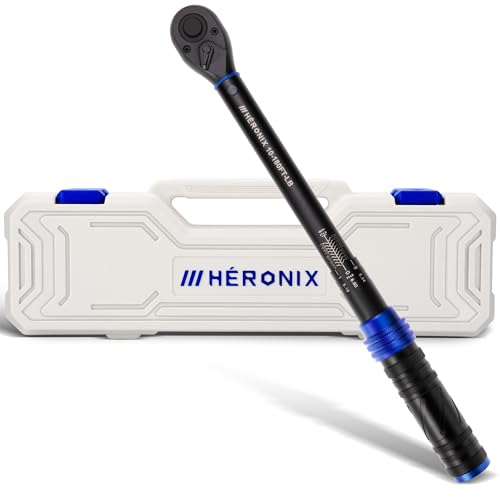 HERONIX 1/2 Inch Drive Click Torque Wrench, 10–180 Ft.Lb/13.6–244.0 Nm
Click-type wrench for lug nuts and anything with a torque spec. View on Amazon →
HERONIX 1/2 Inch Drive Click Torque Wrench, 10–180 Ft.Lb/13.6–244.0 Nm
Click-type wrench for lug nuts and anything with a torque spec. View on Amazon →
 AstroAI Digital Multimeter and Analyzer TRMS 6000 Counts Volt Meter Ohmmeter
Reads volts, continuity, and resistance — the #1 tool for tracing 12V faults. View on Amazon →
AstroAI Digital Multimeter and Analyzer TRMS 6000 Counts Volt Meter Ohmmeter
Reads volts, continuity, and resistance — the #1 tool for tracing 12V faults. View on Amazon →
Still need help? Ask an RV Mechanic
Get a personalized answer from a verified RV mechanic. Describe your specific issue and get step-by-step help for your rig.
Related Repair Guides
- Ford E450 V10 Reliability: Expected Mileage and Longevity Guide for RV Owners
- Newmar Motorhome Rough Ride Fix: Suspension & Air Pressure
- Ford V10 Triton Engine Maintenance Guide: EGR Delete vs Regular Service Tips
- Ford V10 Turbo Kit for Motorhomes: Cost, Risks & Better Alternatives
- Ford E450 Inertia Switch Location Guide - Find Your RV's Fuel Cutoff Reset Point
- Onan 5500 Generator Problems: Complete Repair Guide
- Fleetwood Excursion Tire Upgrade Guide: 255 to 275 Width Conversion
- Ford E-350 vs E-450 RV Chassis: Fuel, Power & Weight
- Ford F53 7.5L RV Won't Start: Fuel Pump Relay Voltage Drop Fix
- Generac 7.5kW Diesel Generator Repair Guide - RV Troubleshooting
Need More Help?
Try our free RV calculators and tools to help diagnose and plan your repairs.
Browse RV ToolsWeight calculator, electrical planner, propane estimator & more
