1991 Ford E350 460 Engine Oil Pump Issues - Diagnosis Help
Read full question
Here's the weird part - oil pressure gauge sits really low (like concerningly low) but the temp gauge never even hits the middle, stays cool as a cucumber. She runs like a total champ though, starts every time, smooth as butter, pulls hills no problem. Just hit 99k miles and put about 7k on her this year with zero issues performance-wise.
Everything I'm reading online says oil pump problems usually show up as low pressure AND high temps together. But I've got low pressure with low temps, which seems backwards? Had one moment recently where the oil pressure suddenly jumped to normal mid-range after smelling some hot oil at a gas stop. Is this actually pointing to oil pump failure, or am I maybe looking at faulty gauges or sending units instead?
Quick Answer
Your 1991 E350's symptoms don't clearly indicate oil pump failure - the consistently low oil pressure combined with low operating temps suggests possible gauge issues or sending unit problems rather than pump failure.
The Rundown
Based on your description of Roxi's behavior, you're likely not dealing with a failing oil pump just yet. The 460 big block Ford engines from 1991 are known for running warmer than modern engines and typically showing lower oil pressure readings at idle, especially with higher mileage. Your oil pressure gauge jumping to the middle position after that hot oil smell incident suggests your pump is still functional, but you may be dealing with worn engine bearings or oil viscosity breakdown from your 7,000-mile adventure.
The hot oil smell you experienced at the gas station is actually a key diagnostic clue. This typically indicates oil is getting hot enough to create noticeable odors, which can happen when oil pressure drops temporarily due to thinning oil or when the engine is working harder than usual. The fact that your pressure gauge responded positively afterward suggests the pump responded to the engine's needs, which a truly failing pump wouldn't do consistently.
Your 460 engine's temperature gauge staying below the midpoint is actually normal behavior for these motors when they're running properly. these engines typically run warmer than modern engines, and your radiator system is likely doing its job well. However, the combination of low oil pressure readings and that one instance of hot oil smell does warrant investigation before your next major trip. At 99,000 miles on a 35-year-old engine, you're in that sweet spot where preventive maintenance can save you thousands versus reactive repairs.
Why It Happens
The 460 cubic inch Ford engine in your E350 chassis uses a gear-driven oil pump located in the oil pan, driven by an intermediate shaft from the distributor. Over time and miles, several components in this system can wear down, creating the symptoms you're experiencing. Common causes include worn main and rod bearings that allow oil to flow more freely, reducing system pressure. This is especially common in high-mileage engines that have seen varied maintenance schedules over their lifetime.
Your oil pump itself consists of meshing gears with tight tolerances. As these wear, the pump becomes less efficient at creating pressure, but it rarely fails catastrophically without warning. More often, the pickup tube screen becomes partially clogged with sludge and debris, or the pickup tube itself develops a crack that allows air into the system. When air enters the oil system, pressure drops dramatically, and the pump has to work harder to maintain flow.
The oil pressure relief valve, built into the pump assembly, can also stick or wear over time. This valve regulates maximum oil pressure to prevent damage to seals and gaskets. If it's sticking partially open, you'll see consistently low pressure readings. Additionally, the oil pressure sending unit that feeds your dashboard gauge commonly fails on these older Ford trucks, giving false low readings that can cause unnecessary worry.
Temperature-related issues compound these problems. As oil heats up during extended driving or heavy loads, it becomes thinner and flows more easily through worn bearing surfaces. This is why you noticed that hot oil smell during refueling after a long drive from Las Cruces. The oil had thinned considerably, pressure dropped, and components got hotter than normal. When you restarted the engine with cooler, thicker oil, pressure returned to more normal levels.
Gather These Items
Before diving into oil pump replacement, you'll need proper diagnostic tools to confirm the actual problem. A mechanical oil pressure gauge kit is essential, available through auto parts retailers typically in the $25-40 range. This screws directly into the oil pressure sending unit port and gives you accurate pressure readings independent of your potentially faulty dashboard gauge.
For the diagnostic phase, grab a basic compression tester, which will help determine if low oil pressure is related to worn cylinders or rings. You'll also want a good automotive stethoscope or length of wooden dowel to listen for bearing knock or unusual engine noises. A digital infrared thermometer helps you check for hot spots that might indicate oil flow problems.
If you determine the oil pump needs replacement, the parts list becomes more substantial. A new oil pump for your 460 engine is available from various suppliers, with Melling and Carter being reliable choices. You'll need the correct part for your model (verify with dealer), plus oil pan gasket sealer. Fresh engine oil and filter are obvious requirements for quality conventional oil appropriate for your high-mileage engine.
Tool requirements include a good floor jack and jack stands rated for your RV's weight, socket sets with extensions, torque wrench, oil drain pan, and potentially a transmission jack if you need to drop the oil pan completely. The oil pickup tube O-ring is critical to replace during pump service. Don't forget shop rags, brake cleaner for surface preparation, and possibly a new oil pressure sending unit.
The Fix
WARNING: Working under heavy vehicles requires proper jack stands and level ground. Never work under a vehicle supported only by a jack. Ensure proper ventilation when working with solvents and wear safety glasses.
Start your diagnosis by installing that mechanical oil pressure gauge while the engine is cold. WARNING: Allow engine to cool completely before removing oil pressure sending unit as oil and components will be extremely hot. Normal pressure for your 460 should read 20-40 PSI at idle when warm and 40-60 PSI at 2000 RPM. If you're seeing less than 10 PSI at hot idle or less than 20 PSI at cruising RPM, you've confirmed a pressure problem that needs attention.
Before assuming oil pump failure, check the simple stuff first. Drop the oil and examine it carefully for metal particles, unusual color, or consistency. Metal particles suggest bearing wear, while thin, dark oil might just need changing with a quality high-mileage formulation. Sometimes switching to a slightly heavier viscosity oil like 10W-40 instead of 5W-30 can restore adequate pressure in worn engines without any mechanical repairs.
If mechanical pressure readings confirm low pressure, the next step involves dropping the oil pan to inspect the pickup tube and pump. This is where things get labor-intensive on your E350 chassis. You'll need to raise the front of the RV safely and potentially remove the front sway bar and exhaust crossover pipe for access. The oil pan bolts require careful removal since the gasket surfaces on these older engines can be delicate.
With the pan down, examine the oil pickup tube carefully for cracks, especially where it connects to the pump. The pickup screen should be clean and free of debris. If the screen is clogged, that might be your entire problem. Clean it thoroughly with solvent and compressed air. Check the pickup tube O-ring and replace it regardless of condition.
Oil pump replacement on the 460 involves removing the pump drive shaft and pump assembly from the block. The pump is held by two bolts and comes out relatively easily once the pan is dropped. Compare the old pump rotors to new ones, looking for wear patterns or scoring. Sometimes you'll find the pump is actually fine, but the drive shaft has excessive wear where it engages the camshaft.
During reassembly, pay special attention to the oil pan gasket installation. These engines are notorious for oil pan leaks if the gasket isn't properly seated and torqued to manufacturer specifications. Use a thin coat of gasket sealer on both sides of the gasket and torque the pan bolts in sequence to manufacturer specifications. Don't overtighten, as this can distort the pan and create leaks.
After completing the repair, fill with fresh oil and start the engine. Oil pressure should register immediately on your mechanical gauge. Let the engine warm to normal operating temperature and verify pressure readings match specifications before returning to service. Then verify pressure readings match specifications before returning to service. Also verify pressure readings remain within specification throughout the RPM range. recheck pressure readings. Take Roxi for a test drive, monitoring pressure under various conditions. If pressure remains good after a few heat cycles, you've solved the problem.
Know Your Limits
WARNING: Oil pump replacement requires working under a heavy vehicle with hot oil and moving parts. Ensure proper safety equipment and procedures.
Oil pump replacement on your 1991 E350 is definitely a weekend warrior project, but it requires some serious mechanical aptitude and proper equipment. The job typically takes 6-8 hours for someone with moderate experience, but can stretch much longer if you encounter seized bolts or access complications. If you've never dropped an oil pan or worked under a heavy vehicle, this might be worth farming out to a qualified shop.
Safety considerations are paramount when working under your 25-foot Class C. These rigs are heavy and unstable if not properly supported. Never trust a single jack, and always use properly rated jack stands on solid, level ground. Many RV service centers have lifts designed for larger vehicles, which makes this job much safer and easier. Professional oil pump replacement costs vary by location and can include parts and labor.
Consider the cost-benefit analysis carefully given your plans to potentially upgrade RVs. If professional repair costs are significant and you're already outgrowing Roxi's space, it might make more sense to address the immediate safety concerns and start shopping for a replacement. However, if the diagnostic process reveals a simple fix like a clogged pickup screen or bad pressure sensor, those are certainly worth addressing.
Watch for warning signs that indicate you should stop driving immediately. These include oil pressure dropping below 5 PSI while driving, metallic knocking sounds from the engine, or oil temperature climbing into the red zone on your gauges. Any of these symptoms indicate imminent engine damage that could leave you stranded far from help.
Given that Roxi has been reliable and runs well despite the gauge readings, you might consider a middle-ground approach. Install the mechanical pressure gauge for accurate monitoring, change to a quality high-mileage oil, and plan your renovation budget around the possibility of needing engine work. This lets you enjoy the RV while gathering real data about the engine's condition. Many 460 engines with proper maintenance run well past 150,000 miles, so your 99,000-mile motor might have plenty of life left with some attention to the oil pressure issue.
Remember to document your pressure readings over various driving conditions and temperatures. This data will help you make informed decisions about repairs versus replacement, and can be valuable information for any mechanic you consult. Regular monitoring with that mechanical gauge will give you early warning if the condition worsens, allowing you to plan repairs at your convenience rather than being forced into emergency roadside service.
Tools & Supplies You'll Need
 Performance Tool W4070 Drain Pan, 7 Quart Capacity
Catches oil, coolant, and tank drips. View on Amazon →
Performance Tool W4070 Drain Pan, 7 Quart Capacity
Catches oil, coolant, and tank drips. View on Amazon →
 CRAFTSMAN 230 Pcs Mechanics Tool Set, Socket Wrench Set, Car Tool Kit with
A broad SAE/metric socket-and-ratchet set covers most RV fasteners. View on Amazon →
CRAFTSMAN 230 Pcs Mechanics Tool Set, Socket Wrench Set, Car Tool Kit with
A broad SAE/metric socket-and-ratchet set covers most RV fasteners. View on Amazon →
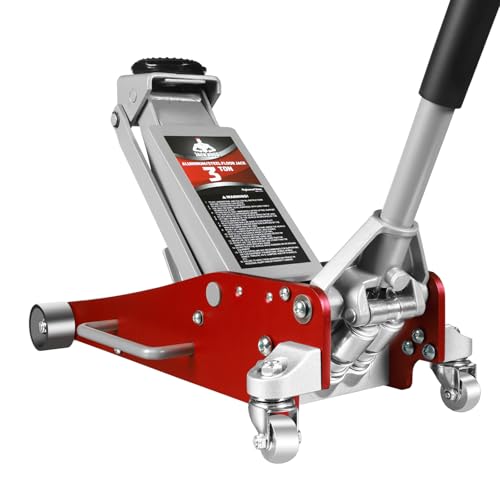 Jack Boss 3 Ton Low Profile, Aluminum and Steel Racing Floor Jack with Dual
Lifts the chassis for tire and suspension work. View on Amazon →
Jack Boss 3 Ton Low Profile, Aluminum and Steel Racing Floor Jack with Dual
Lifts the chassis for tire and suspension work. View on Amazon →
Still need help? Ask an RV Mechanic
Get a personalized answer from a verified RV mechanic. Describe your specific issue and get step-by-step help for your rig.
Related Repair Guides
- Ford E450 V10 Reliability: Expected Mileage and Longevity Guide for RV Owners
- Newmar Motorhome Rough Ride Fix: Suspension & Air Pressure
- Ford V10 Triton Engine Maintenance Guide: EGR Delete vs Regular Service Tips
- Ford V10 Turbo Kit for Motorhomes: Cost, Risks & Better Alternatives
- Ford E450 Inertia Switch Location Guide - Find Your RV's Fuel Cutoff Reset Point
- Onan 5500 Generator Problems: Complete Repair Guide
- Fleetwood Excursion Tire Upgrade Guide: 255 to 275 Width Conversion
- Ford E-350 vs E-450 RV Chassis: Fuel, Power & Weight
- Ford F53 7.5L RV Won't Start: Fuel Pump Relay Voltage Drop Fix
- Generac 7.5kW Diesel Generator Repair Guide - RV Troubleshooting
Need More Help?
Try our free RV calculators and tools to help diagnose and plan your repairs.
Browse RV ToolsWeight calculator, electrical planner, propane estimator & more
